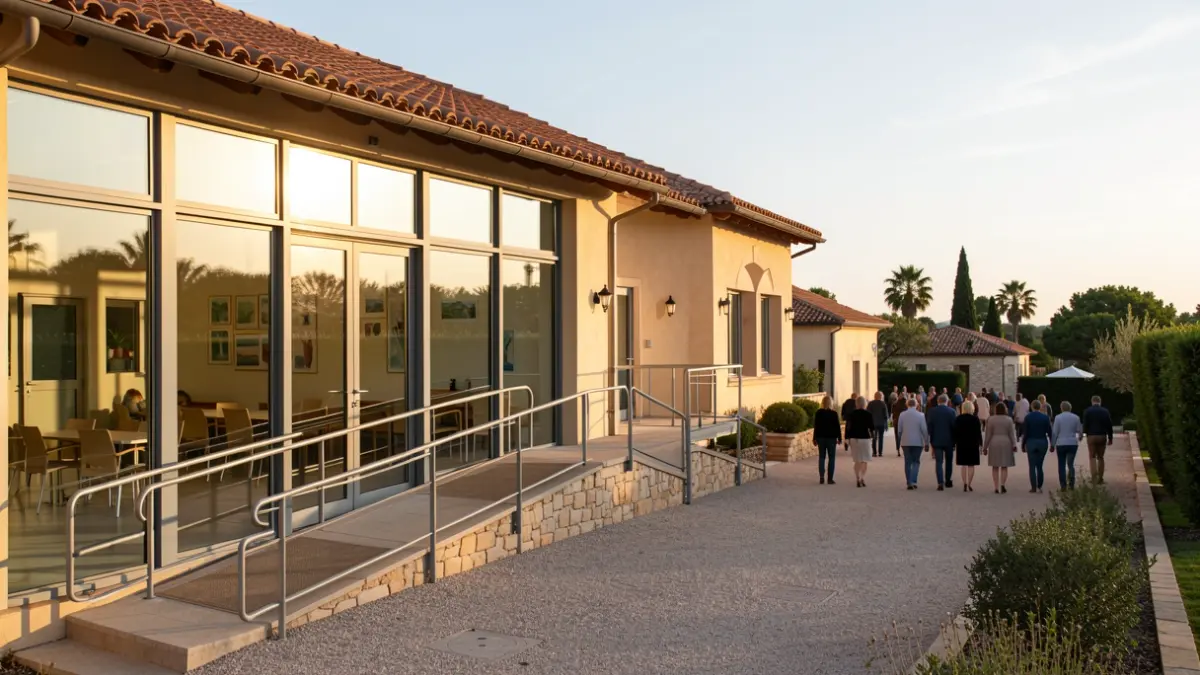
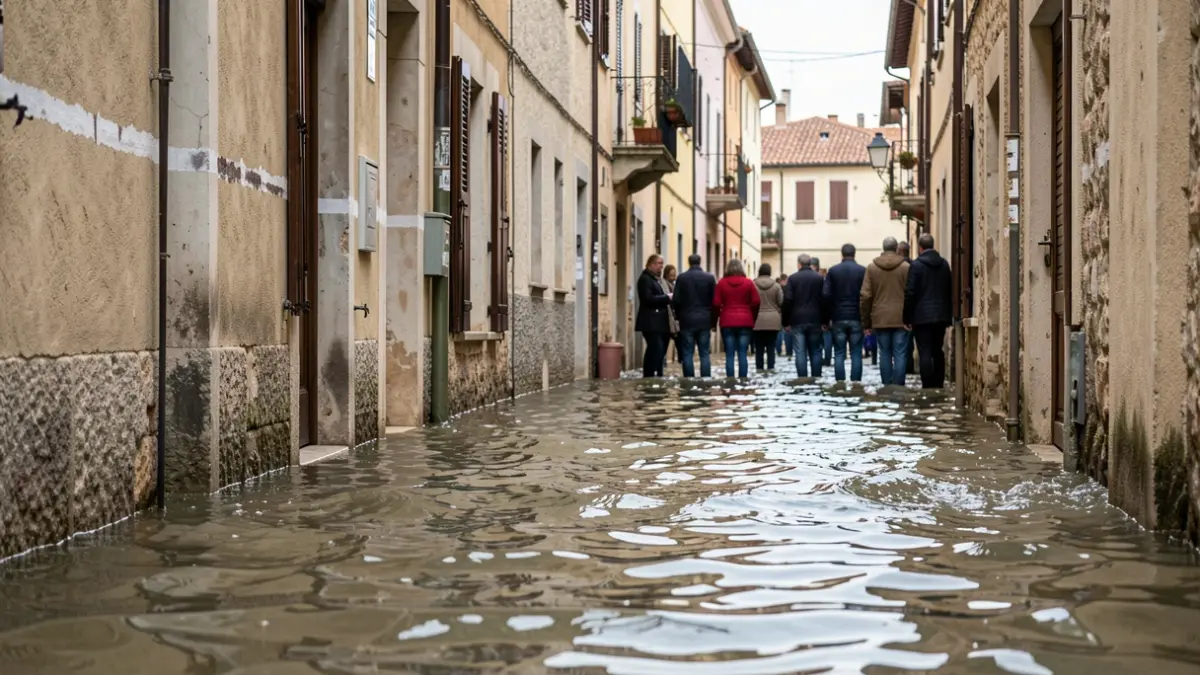
The regulatory project, now open for public consultation, establishes new limitations for construction in areas susceptible to flooding. New buildings will have to be raised at least one meter above the water level and will not be allowed to have underground garages, basements, or any construction below ground level. Furthermore, existing buildings will need to be adapted to reduce the consequences of potential floods.
In rural land, new essential facilities or services, covered sports centers, commercial areas, or camping sites will be prohibited. Flood flow zones, which concentrate water flow during floods, will not permit new residential uses, although a special regime will be established for municipalities with more than a third of their area in a flood zone.
The regulation also foresees the modernization of municipal civil protection plans, requiring town halls that only have evacuation plans to add a flood risk adaptation plan. The Ministry for Ecological Transition is working with the Ministry of Housing on a model ordinance for local authorities.
One of the most significant novelties is the obligation to disclose the property's flood zone status during the purchase process. This condition must be included in both deeds and the property registry, so that the buyer is fully informed of the risk, even though it does not prevent the dwelling from being inhabited.
Additionally, the national catalog of historical floods will be given legal status, creating a reference database. Municipalities will also have to mark the maximum water level reached in past floods.
The royal decree is in the preliminary processing phase and is expected to be ready before the end of the year to be sent to the Council of State, and subsequently to the Council of Ministers for approval during the current legislative term.