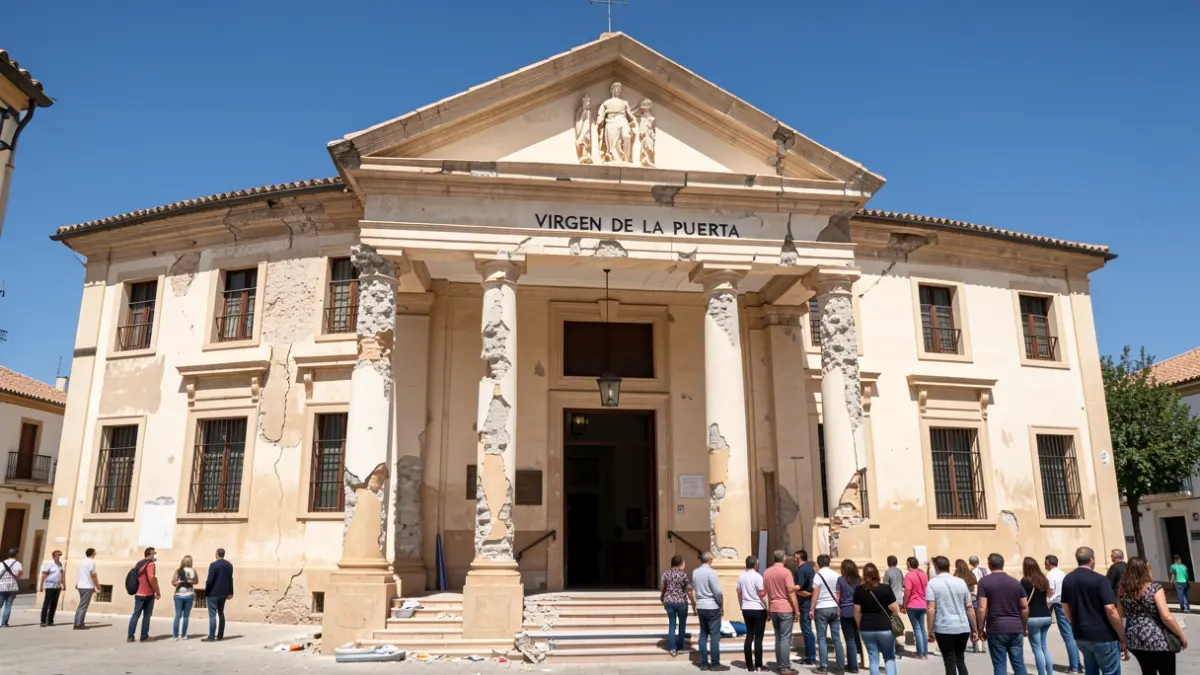
The Júcar Hydrographic Confederation (CHJ), an agency under the Ministry for Ecological Transition, is drafting ten measures to protect the Poyo stream basin, the Magro river, and the Pozalet-Saleta system from future floods. The initial proposals are expected this autumn, aiming to mitigate the impact of the floods that affected municipalities most severely after the October 29, 2024, event.
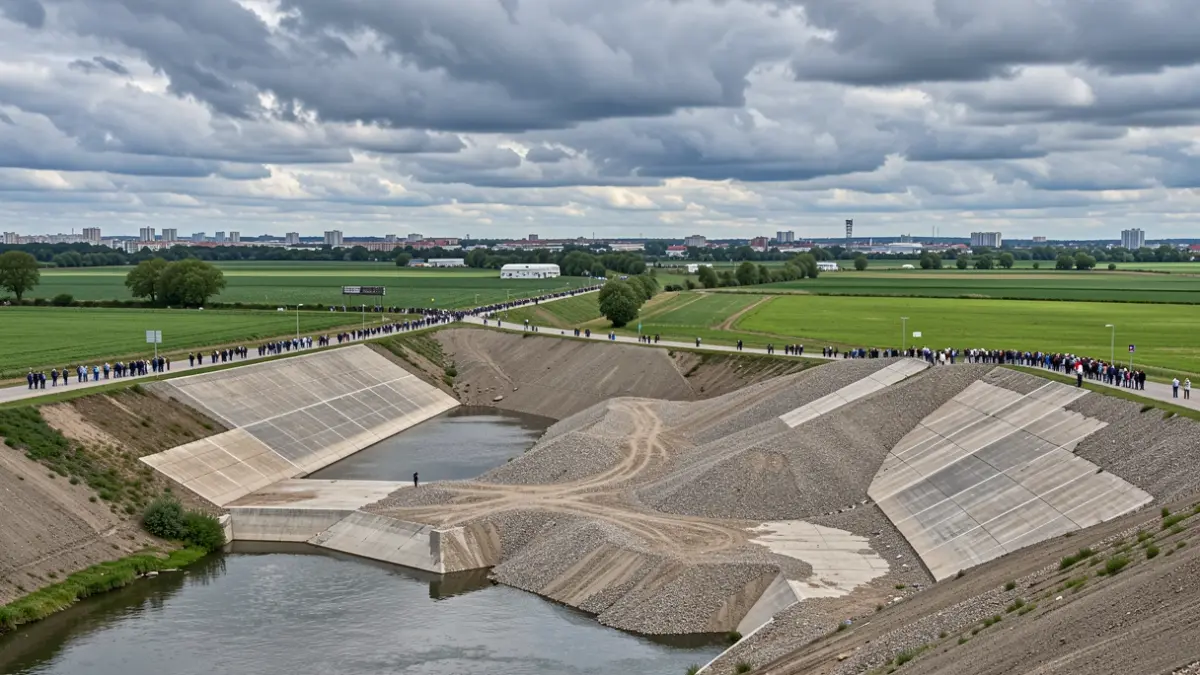
A key innovation in these projects, awarded for nearly four million euros, is an approach that seeks not only to rapidly evacuate water but also to learn to coexist with floods. Controlled Storage Zones (ZAC) are being studied to temporarily retain flow during extreme rainfall, thereby reducing water height and speed before it reaches urban areas.
Actions will focus on the Poyo stream, expanding its capacity from Torrent to l'Albufera, with improvements in sections of Picanya, Catarroja, and Massanassa, and environmental restoration at its mouth. Interventions are also planned for the Magro river, including new storage areas upstream of Utiel and between the Forata and Carlet reservoirs, as well as restoring its mouth into the Júcar river.
Additionally, measures will be analyzed to protect the southern districts of València, removing drainage obstacles and studying the barrier effect of infrastructure like the V-30. Each intervention will be tailored to the specific characteristics of each basin and coordinated with local councils and the Generalitat Valenciana.
The projects are based on an analysis of the water's actual behavior during the flash flood, identifying overflow points, storage areas, and recorded speeds. "This knowledge is now the foundation upon which we are designing these projects to reduce flood risk and increase the territory's resilience," explains Teodoro Estrela, the project coordinator.
Following the presentation of alternatives this autumn, a public participation process will open before the final drafting, administrative processing, and the tendering of the works.