The council has taken this measure due to the difficulty of establishing identities or causes of death through the anthropological studies carried out to date. The goal is to compare the extracted DNA with samples provided by relatives to advance in the identification of the victims.
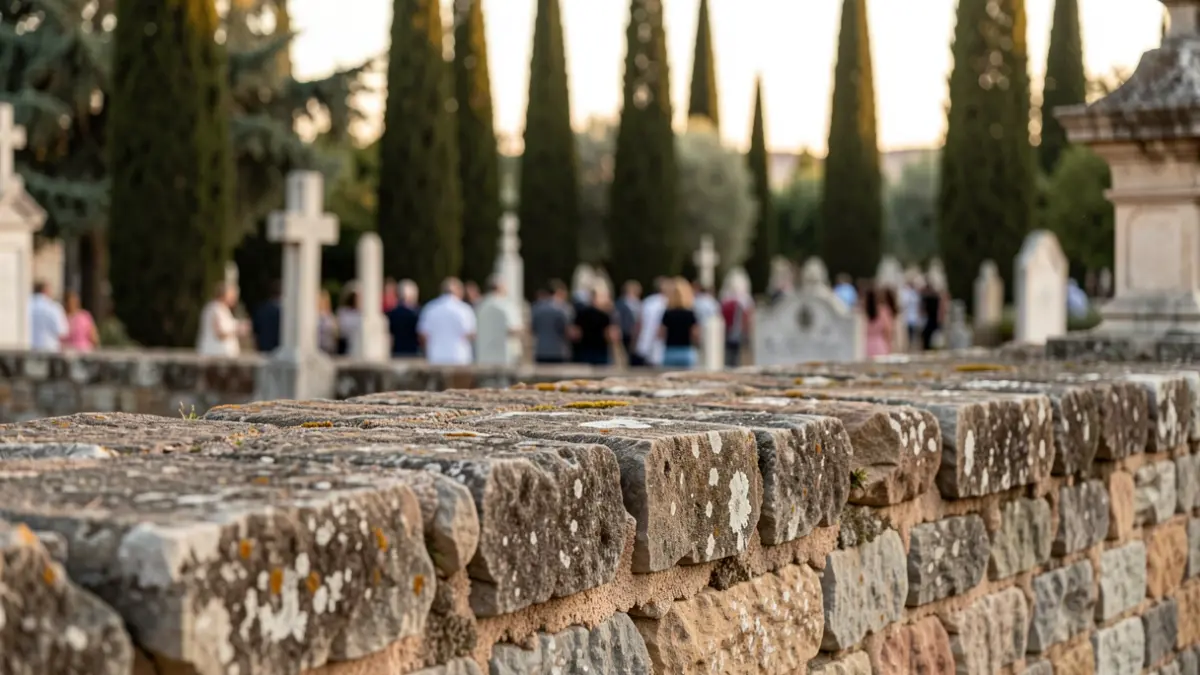
In addition, the local government will take advantage of the earthworks currently being carried out in the cemetery to check if there are other spaces susceptible to housing burials linked to the Francoist repression. If relevant signs are detected, the launch of new archaeological interventions would be assessed.
The actions, which began in 2023, also include the study of the remains recovered in the so-called Xòfer grave, located between the municipalities of Moncofa and Nules. The council plans to channel these actions through a collaboration agreement with the Group for the Investigation of Historical Memory of Castellón.