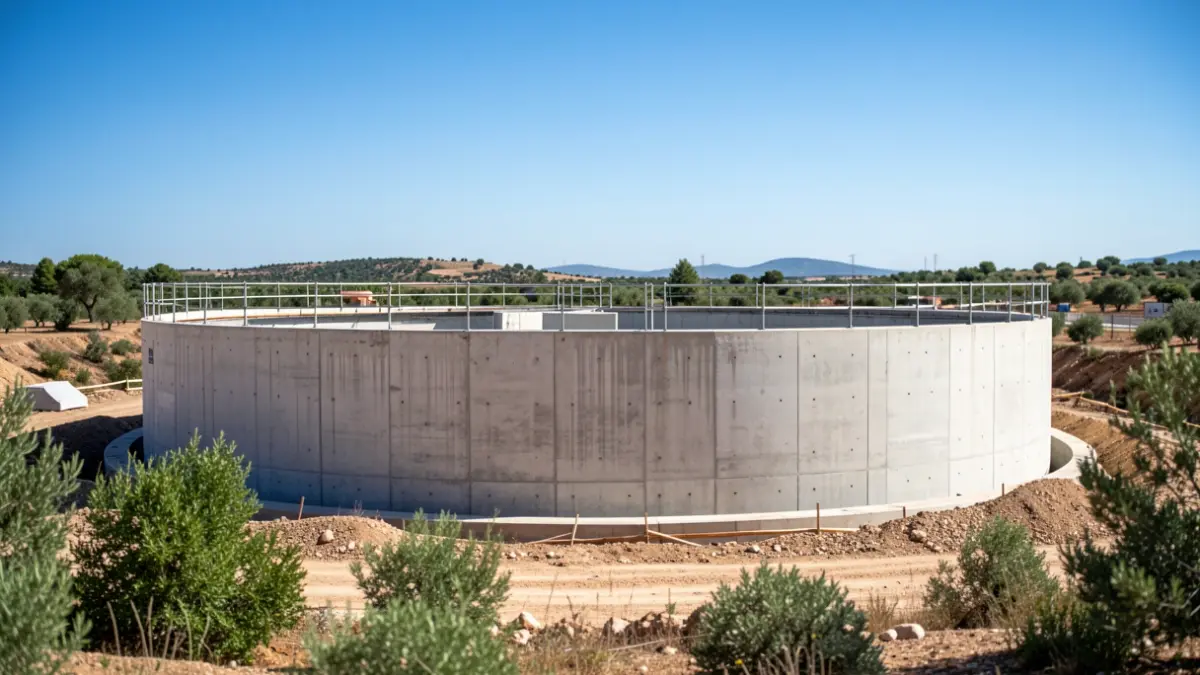
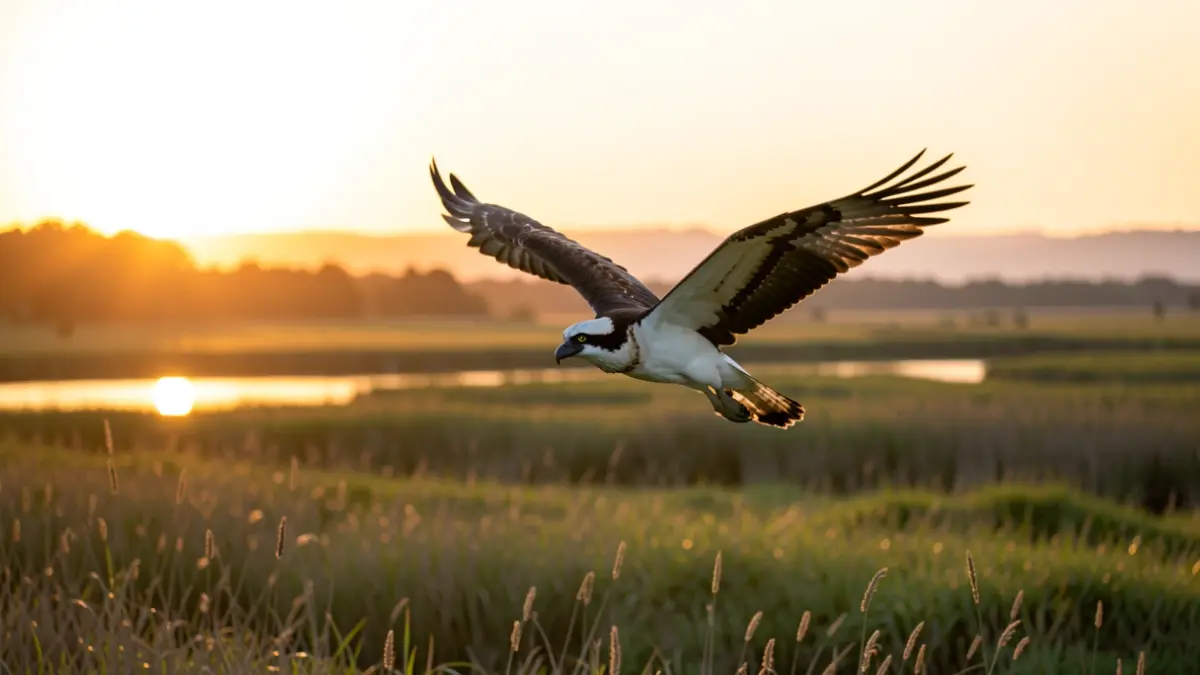
A 2,700-kilometer journey across Europe has successfully culminated at the Marjal de Pego-Oliva Natural Park, one of the most valuable natural spaces. Twelve young ospreys (Pandion haliaetus) have arrived at this wetland to establish their new home, a relocation that provides a decisive boost to the project aiming to return this bird of prey to the Valencian wetlands.
The journey of the twelve chicks was supervised by technical staff from Fundación Migres and the Roy Dennis Wildlife Foundation. Upon arrival, they were welcomed by a team led by the Director General of Natural and Animal Environment of the Generalitat, Luis Gomis, along with representatives from the surrounding municipalities and Fundación Iberdrola España, which has contributed 100,000 euros to the project.
Currently, the chicks are housed in 'hacking' cages (field breeding system), where technicians from the Generalitat will monitor and feed them daily without human presence. They will also monitor their growth until they reach the optimal weight and size for flight and release before their first major migration to Africa.
The ultimate goal of the program, launched in 2019, is for these birds to return in two years to the Marjal de Pego-Oliva or other Valencian wetlands to establish a stable breeding population. The program plans to release a hundred chicks over five years, with further arrivals expected from Sweden and Norway.
The success of the project is already becoming evident, with five specimens released in previous years having returned to the Iberian Peninsula: a female from 2024 located in Ibiza, three males from 2024 sighted in the Estanys d'Almenara and Marjal de Almenara, and a male from 2023 that has returned to Pego-Oliva and is using a new nest in l'Albufera.
With the arrival of these twelve new specimens, the Marjal de Pego-Oliva reaffirms its role as a reference point for biodiversity, demonstrating the importance of cross-border collaboration in saving species.