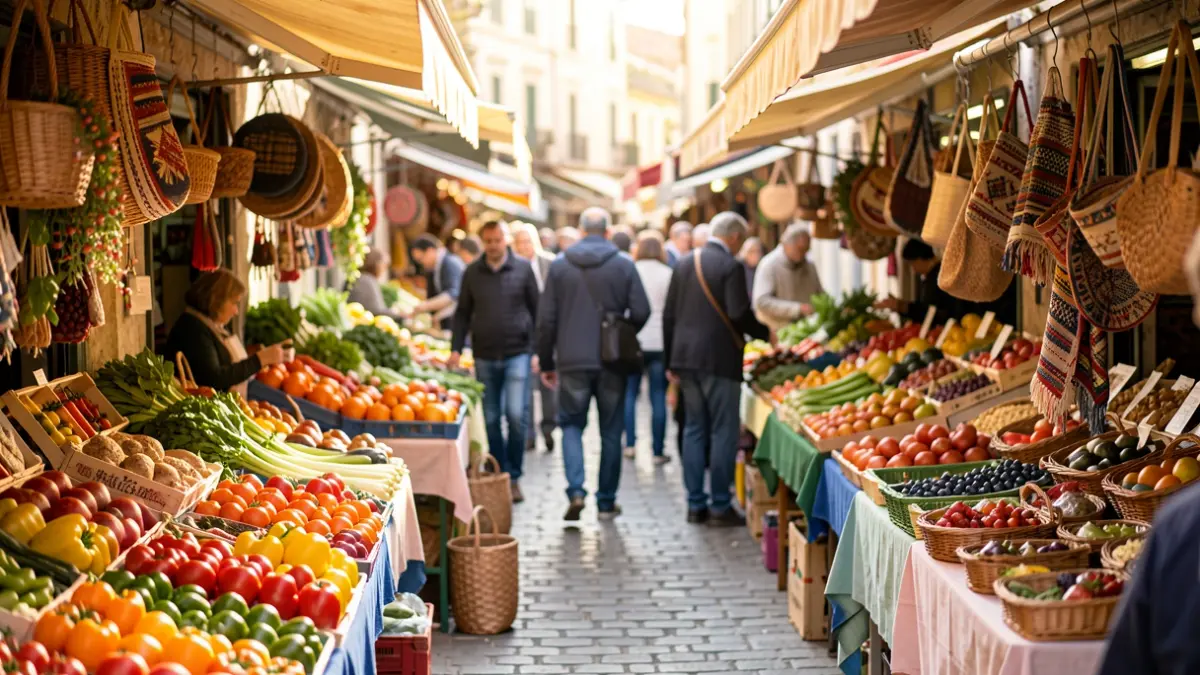
Paco Alonso expressed pessimism regarding a landscape marked by changing consumer habits and the transformation of traditional markets into more tourist-oriented spaces, where fresh, seasonal products are losing ground to offerings focused on souvenirs or takeaway meals. According to Alonso, the social function of markets is diminishing, and many stalls are closing due to a lack of generational succession.
The author analyzed different market models, indicating that gastronomy plays a key role in many cases, facilitating interaction between producers and bars. Finding a balance between protecting producers, leveraging the region's richness, and equipping markets with functionalities that meet current social needs is a challenge.
In Dénia, the market carries the brand of the Marina Alta region, an area with sufficient arguments to continue being a meeting point. Alonso cited the Riurau Market in Jesús Pobre as an example of creativity and producer support.
Giving a market identity is crucial for ensuring its future as a space of memory and culture. Alonso pointed out that the Marina Alta has a wide palette of colors for developing many initiatives, considering the area a gastronomic hub of the Valencian Community.