The initiative will connect towns such as Picanya, Paiporta, Alfafar, Sedaví, Catarroja, Massanassa, Quart de Poblet, Manises, Paterna, Xirivella, Alaquàs, Aldaia, and Torrent. It will also reach districts of Valencia such as La Torre, Horno de Alcedo, Castellar, and Pinedo.
Raúl Mérida, commissioner for Recovery, detailed the project during the International Urban and Regional Cooperation congress on climate resilience, held in Valencia. Mérida highlighted that this infrastructure will act as a natural barrier against floods and will structure the metropolitan area through greenways.
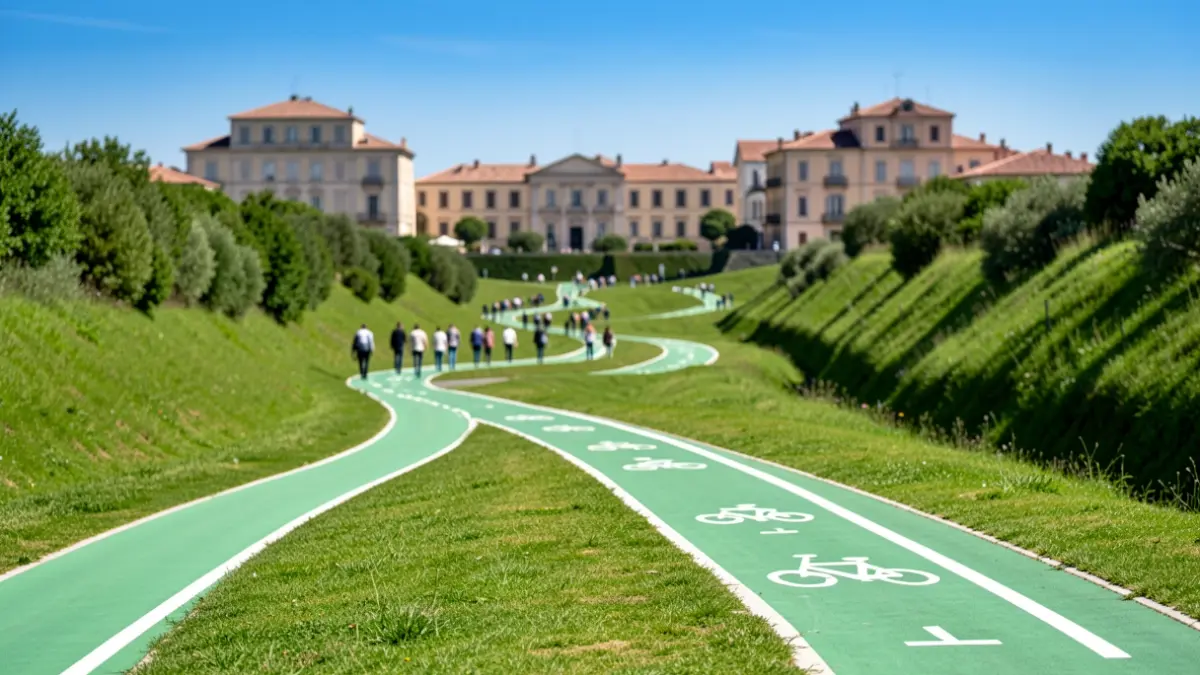
The floodable parks will cover approximately 1,500 hectares, forming a 40-kilometer green corridor and including 21 weather stations. The design has been developed in collaboration with the affected town councils.
According to Mérida, the cycle paths will be an effective alternative for short and medium-distance travel, promoting sustainable mobility and protecting the territory. Furthermore, they will complement hydraulic works necessary for protection against extreme weather phenomena.
The Generalitat will soon launch an international landscaping competition for the design of the parks and the execution of the first phases, although the municipalities and the timeline have not yet been detailed.
At the same congress, Jorge Blanco, director general of Environmental Quality and Education, reported on the management of one million tons of waste following the storm on October 29, 2024, an operation that involved an investment of 280 million euros.