The province of Castellón has advanced in organic production, exceeding 37,000 hectares according to the latest data from the Valencian Community's Organic Agriculture Committee (Caecv). This growth, a 2% increase from the previous year, is primarily driven by extensive livestock farming and olive groves. In the last five years, the organic area has grown by 11%, although the number of operators has decreased.
The area has increased from 35,708 hectares in 2025 to 36,630 in 2026. Over the last twelve years, the organic surface has quadrupled, from about 8,000 hectares in 2014. Currently, organic land represents nearly 20% of the total provincial agricultural area, and Castellón accounts for around 24% of the Valencian Community's total organic surface.
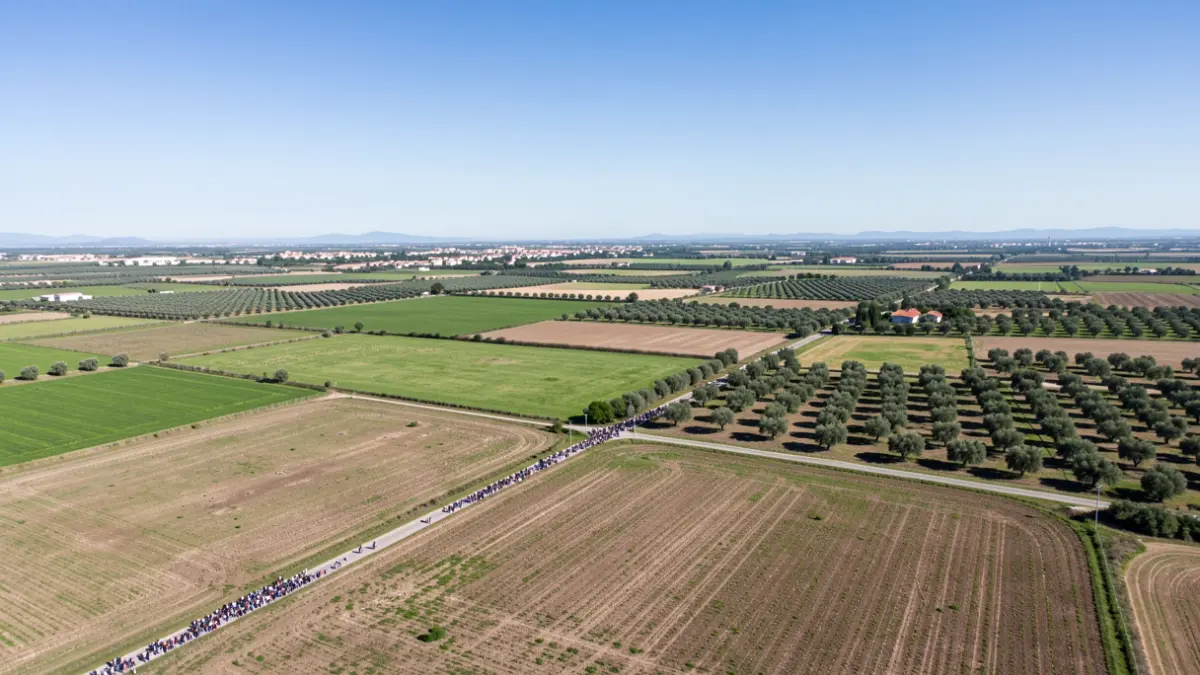
Extensive livestock farming accounts for 84% of the organic area, with 30,940 hectares. This is followed by olive groves (1,455 ha) and nuts (1,429 ha). Citrus fruits, despite their provincial importance, only occupy 284 hectares, vegetables 52, truffles 486, and wine grapes 61.
Vicente Faro, president of the Caecv, explains that extensive livestock farming predominates in Castellón as it is the modality being promoted over intensive farming, and it is the only one that allows for organic certification. This option offers economic advantages for farmers.
Faro also highlights the growth in the olive oil sector, with nine out of the province's 14 oil mills holding organic certification, and a similar trend observed in Castellón's wines.
Organic citrus production is not taking off due to pests, which discourage opting for the organic route. This model relies on natural predators, but the citrus sector faces new pests due to imports and climate change.
By regions, Els Ports leads with 12,047 hectares, mainly due to extensive livestock farming. Alto Palancia is second with 1,455 ha, featuring a strong presence of olive groves. Other notable regions include Baix Maestrat (4,930 ha), l’Alcalatén (5,140 ha), and Plana Alta (3,234 ha).
Other regions with organic surface are Alt Maestrat (535 ha), Plana Baixa (926 ha), and Alt Millars (227 ha).
The number of organic economic activities and operators has decreased in 2026, from 395 to 378 activities and from 327 to 313 operators. Despite this reduction, the area dedicated to organic production continues to grow, driven by extensive livestock farming and olive groves.