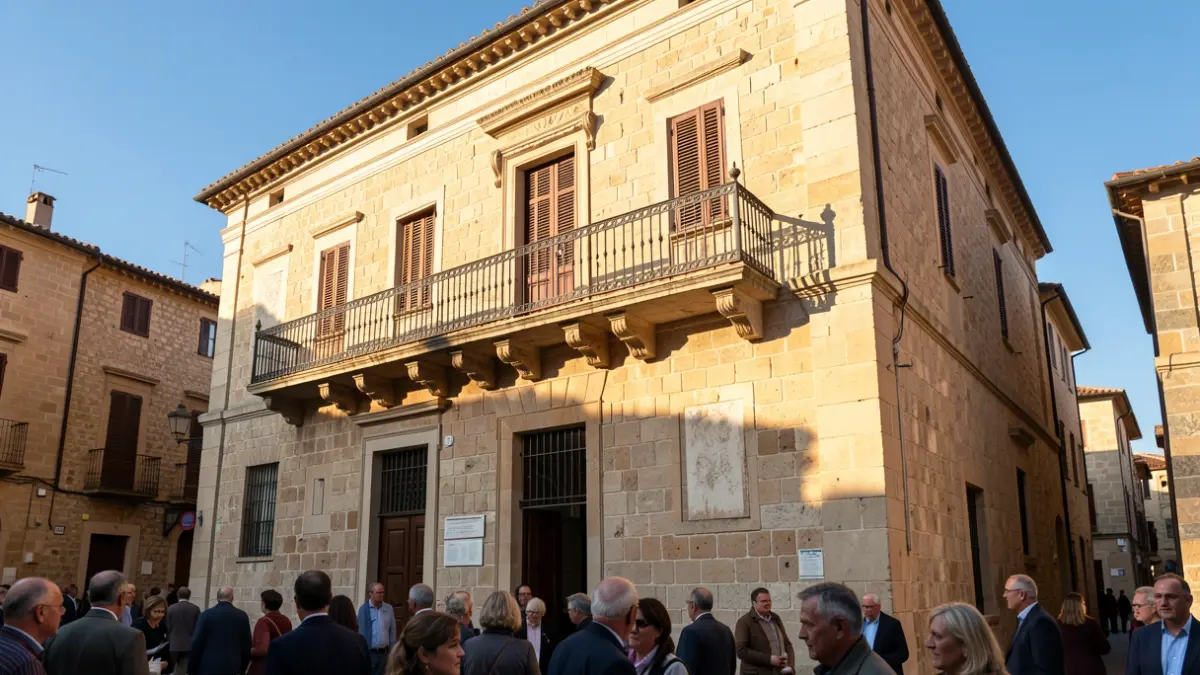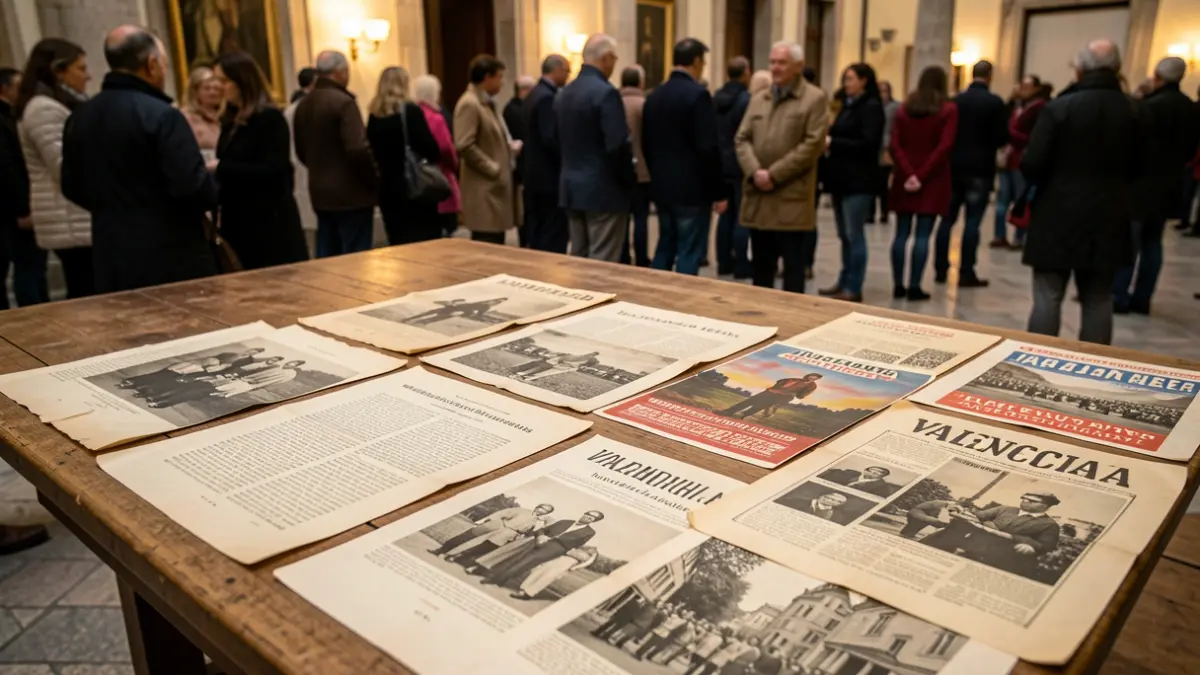
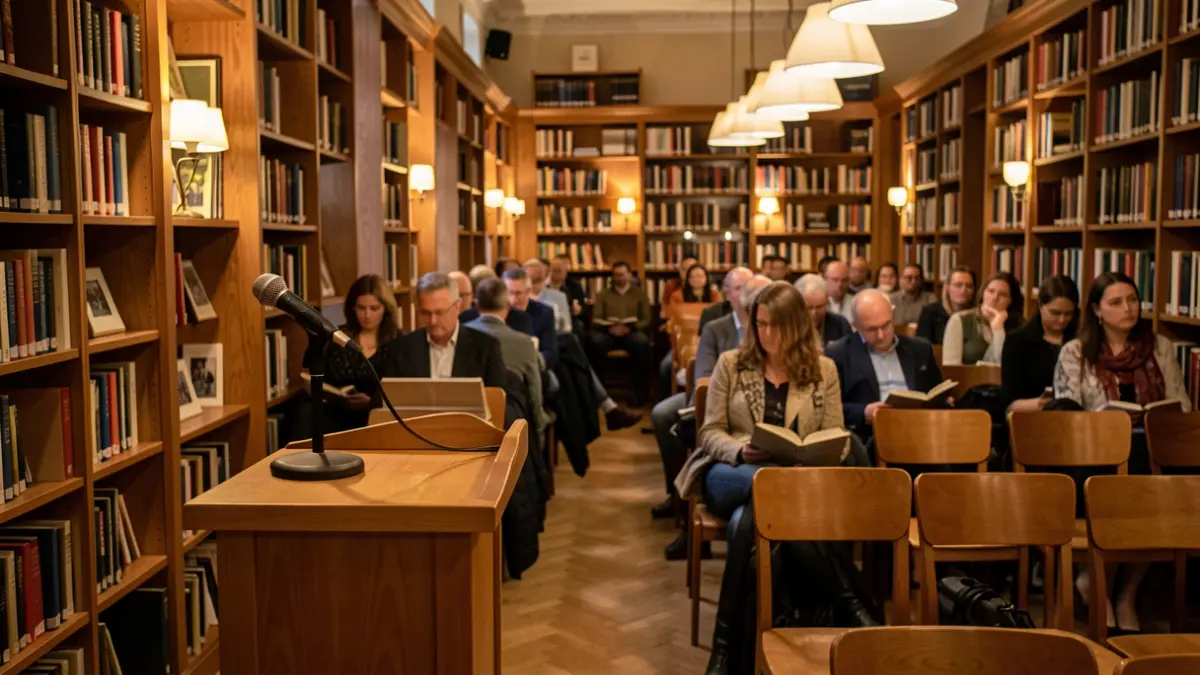
The exhibition, which is free to access, allows visitors to learn how the local society experienced this astronomical event through a selection of books, scientific publications, historical press, and photographs from the local bibliographic collection. Among the materials on display are works on astronomy from the 17th to the 20th centuries and documents collected by Pedro Ibarra.
The exhibition coincides with a relevant period for astronomy, as Spain will witness several solar eclipses between 2026 and 2028. The 1900 event was a turning point for research, allowing for the study of the solar corona and the development of new photographic techniques, and it was also the first total solar eclipse ever filmed.
Visiting hours are Monday to Friday from 9:00 AM to 8:50 PM, and Saturdays from 9:00 AM to 12:50 PM. The municipal department has invited the public to visit the exhibition to rediscover this unique episode of local history through its documentary heritage.