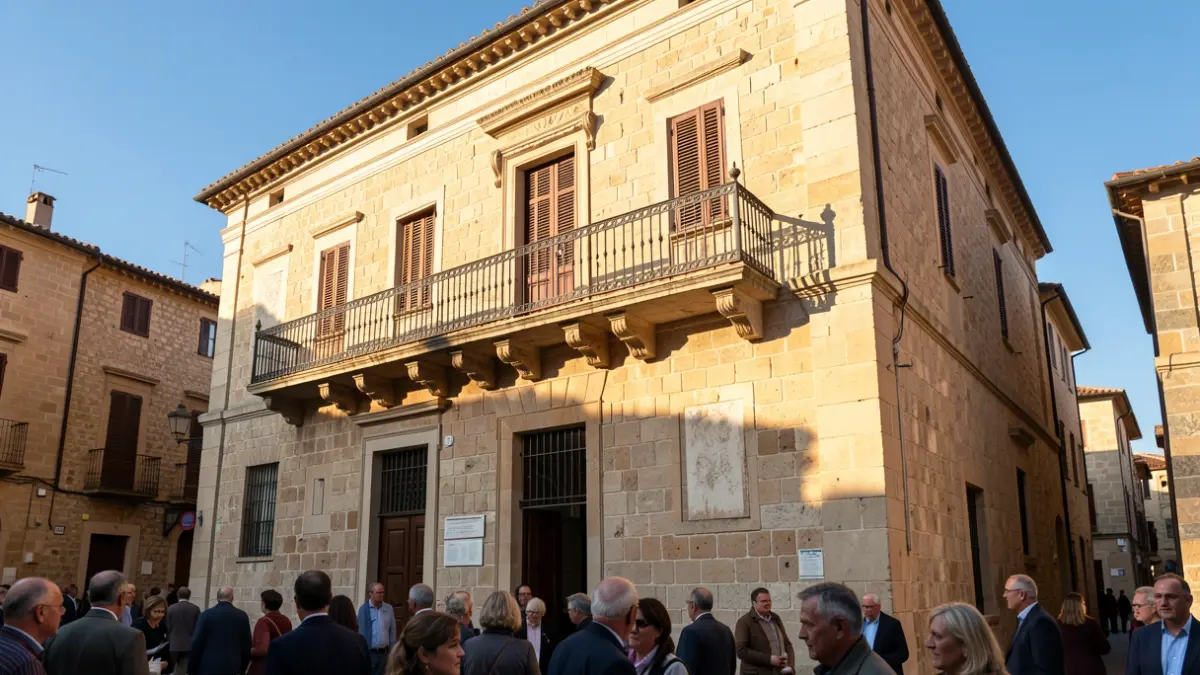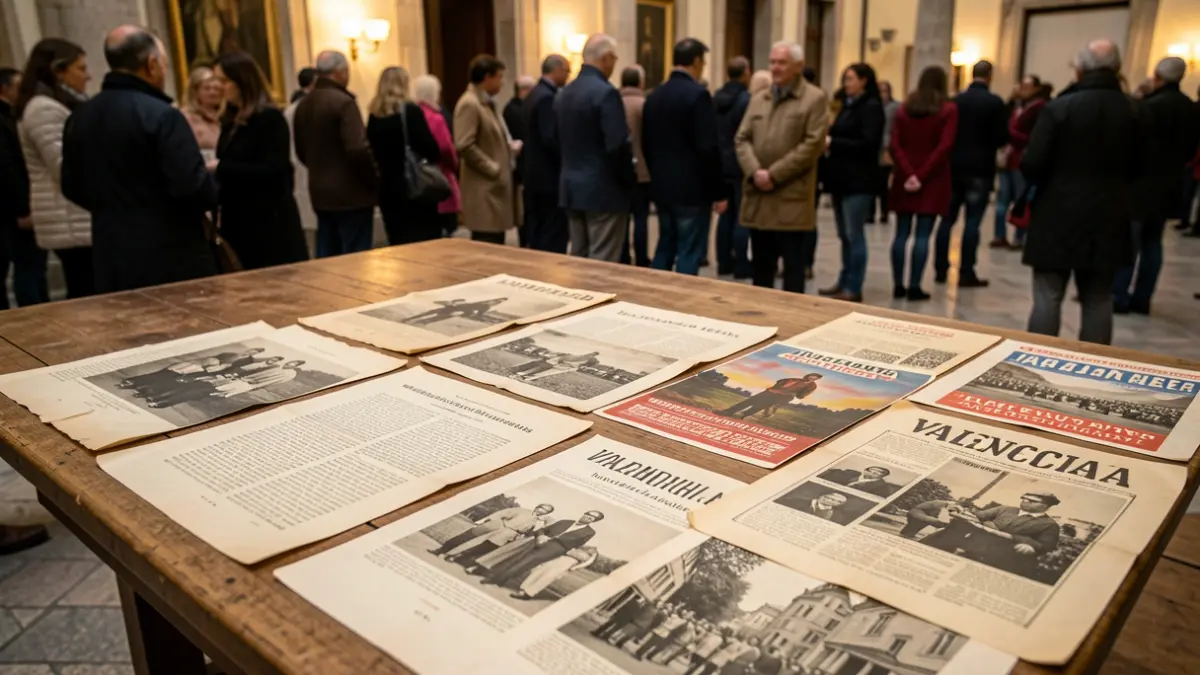
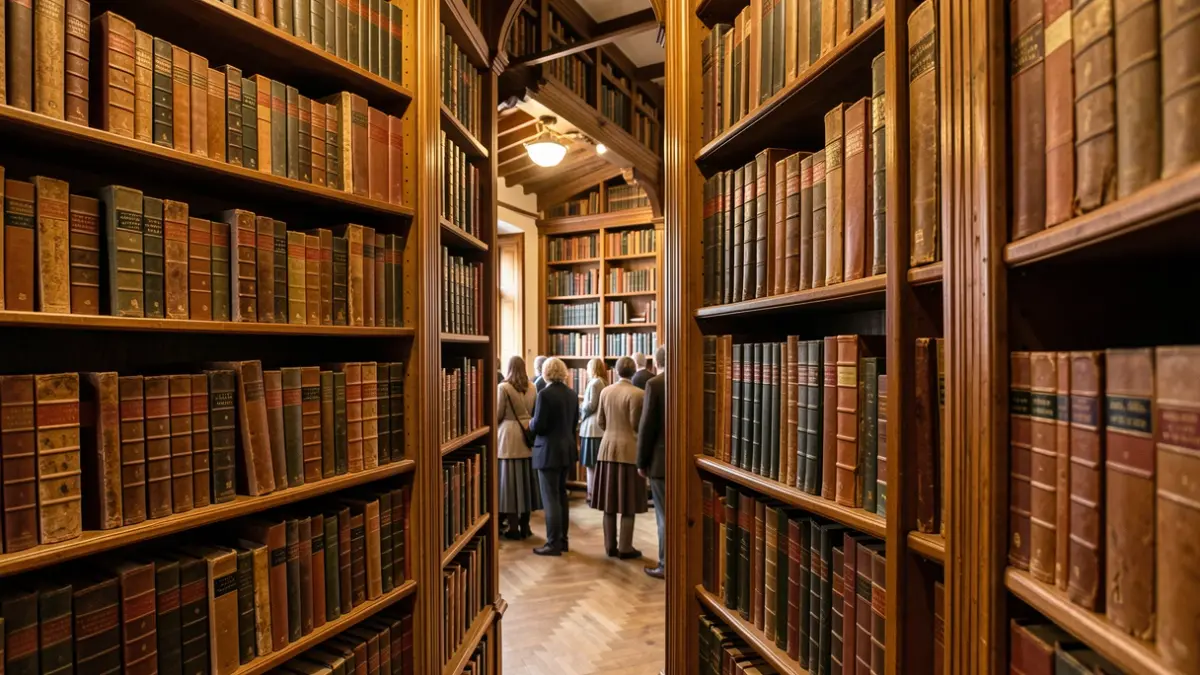
The Pedro Ibarra Central Library in Elche preserves an impressive bibliographic legacy with works dating back to 1486, including incunabula, volumes from the 16th and 17th centuries, and a historical press collection with over a hundred original mastheads. This documentary fund, which safeguards the collective memory of Elche, stands as an invaluable resource for researchers and enthusiasts.
The Old Collection is notable for its age and rarity, featuring ten incunabula (works printed from 1486 onwards) and over 170 valuable volumes from the 16th and 17th centuries. A significant portion of these items originates from the disentailment of Elche's convents, thereby preserving religious and intellectual heritage that might otherwise have been lost.
To facilitate access to these treasures, the library offers reference tools such as the Catalog of Incunabula and 16th-Century Prints and the Catalog of 17th-Century Prints, both digitized and available online. These catalogs allow for tracing the origin and characteristics of these unique pieces.
Documents from the 18th, 19th, and 20th centuries can be located through the library's general catalog. Among them are books and documents from associations and political parties of the first third of the 20th century, the Grupo Escolar de Niños (inaugurated in 1931), and items from the Institute of African Studies (IDEA), which were distributed among public libraries across Spain.
The center's heritage value is also closely linked to the figure of the local archivist, librarian, and researcher Pedro Ibarra Ruiz. His collection efforts led to the library acquiring valuable monographs, prints, drawings, and press mastheads, recognizable by his personal stamp.
The Historical Press section houses over a hundred original mastheads, notably El Agorero, published in 1836, the first local newspaper. These 19th-century newspapers reflect political changes, social debates, and the birth of Elche's journalistic identity.
From the Municipal Libraries, aware of the need to balance conservation and global dissemination, citizens are invited to explore the Investigate section of the Elche Libraries. This web portal unifies access to special collections and digitized funds, such as the Digital Library or the Ibarra Brothers' Collection.
Furthermore, thanks to a digitization agreement with the Ministry of Culture, researchers worldwide can consult 112 historical Elche newspapers through the Virtual Library of Historical Press, ensuring that Elche's memory remains alive, accessible, and protected over time.