The work, supervised by UMH Environmental Sciences Professor Manuel Jordán Vidal and UTEM Professor David Blanco Fernández, addresses the problem of fragmented urban management tools. According to the author, sustainable neighborhood certifications, international indicators, Sustainable Development Goals (SDGs), and local reports operate in isolation, creating a 'territorial performance gap' between planned and applied sustainability.
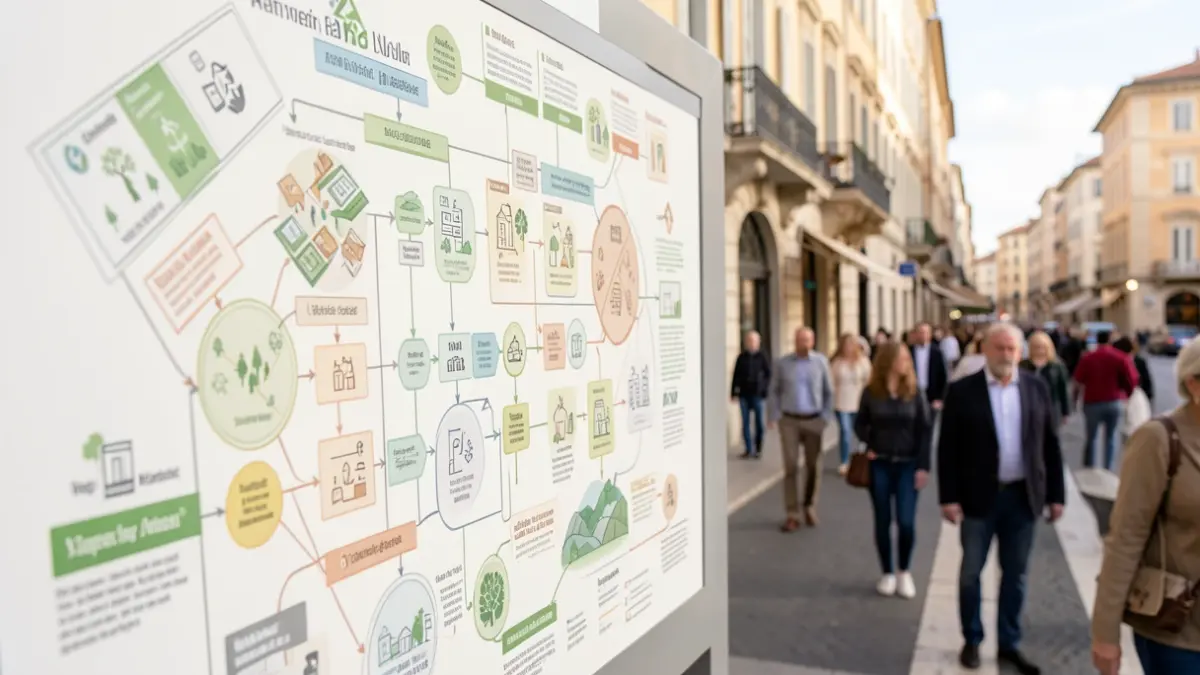
To address this, the thesis designs a model that integrates technical assessment, local governance, and citizen participation. Its core is an interoperability Master Matrix, establishing equivalences between various assessment frameworks, from neighborhood tools to SDGs.
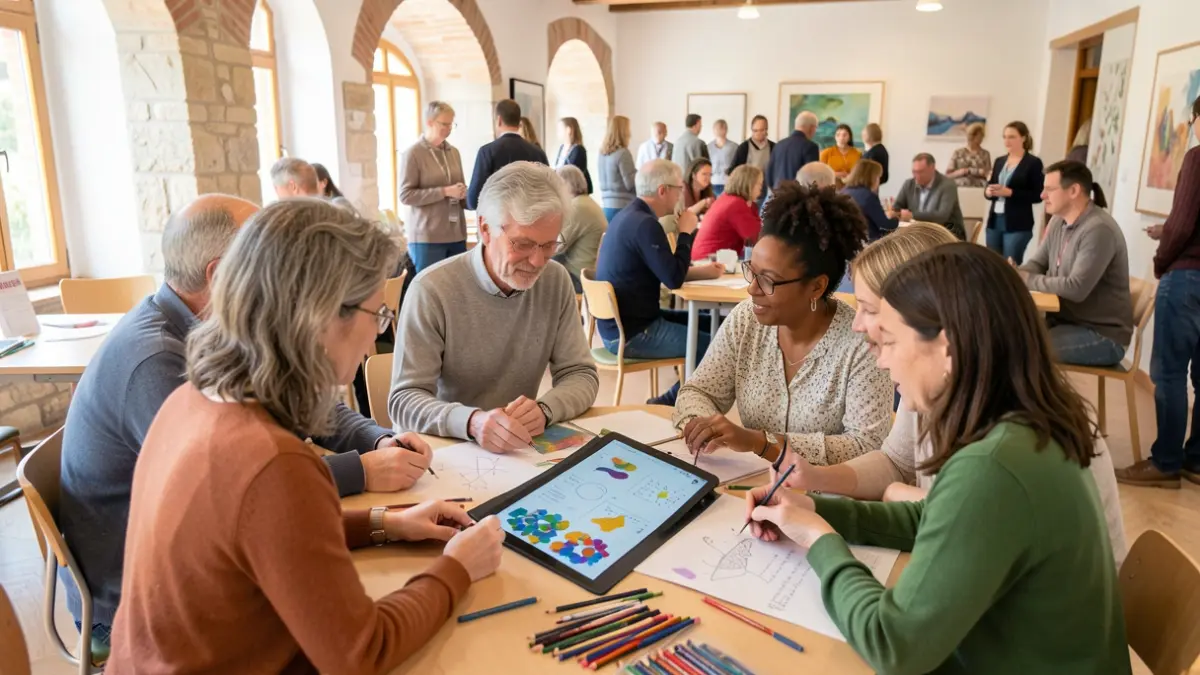
The model was validated in two phases in the Metropolitan Region of Santiago, Chile. The first quantitative phase, using the Sustainable Local Management Certification System (GLS), revealed significant differences among municipalities in institutional capacity and policy monitoring. The second phase, a participatory effort with neighborhood committees, showed that citizen priorities often differ from technical indicators, highlighting the importance of incorporating residents' perceptions for the legitimacy of urban policies.
The research offers a replicable and scalable tool, particularly beneficial for local governments in the Global South with unequal institutional capacities. The findings suggest that territorial interoperability transforms isolated assessment instruments into an integrated urban governance system, improving evidence-based decision-making and accelerating SDG implementation.
Parts of the results have been published in the journal Buildings (2023) in the article 'Neighbourhood Sustainability Assessment Tools for Sustainable Cities and Communities, a Literature Review—New Trends for New Requirements'.