Professor Enrique de Madaria, a specialist from the Clinical Pancreatology Research group at ISABIAL and a physician in the Digestive System Service at the General University Hospital of Alicante, has co-led the development of the first Ibero-American clinical guide aimed at improving the treatment of acute pancreatitis. This project also involves Dr. Karina Cárdenas, a specialist from the same research group, a physician at the same hospital, and a professor at the University of Alicante.
The primary objective of this guide is to establish unified criteria to ensure that patients in Spain, Portugal, and Latin America receive medical care based on the highest scientific evidence. Acute pancreatitis is one of the most significant causes of gastrointestinal hospitalization worldwide, and despite its severity, treatments do not always align with the latest scientific standards.
“"When acute pancreatitis is not treated according to evidence, patients fare worse. Sometimes it takes longer than necessary to feed the patient, antibiotics are administered unnecessarily, or tube feeding is resorted to without justification. Following the recommendations of this clinical guide ensures optimal treatment, reduces patient suffering, and accelerates hospital discharge."
“"This document aims to be a fundamental support point and a reference manual for professionals in Spain, Portugal, and all of Latin America to work under the same quality standards and with a homogeneous methodology."
The guide has been published simultaneously in Spanish, Portuguese, and English, breaking down linguistic barriers. The key to the strategy was involving opinion leaders from the Iberian Peninsula and Latin America, who will act as ambassadors to ensure the application of the recommendations.
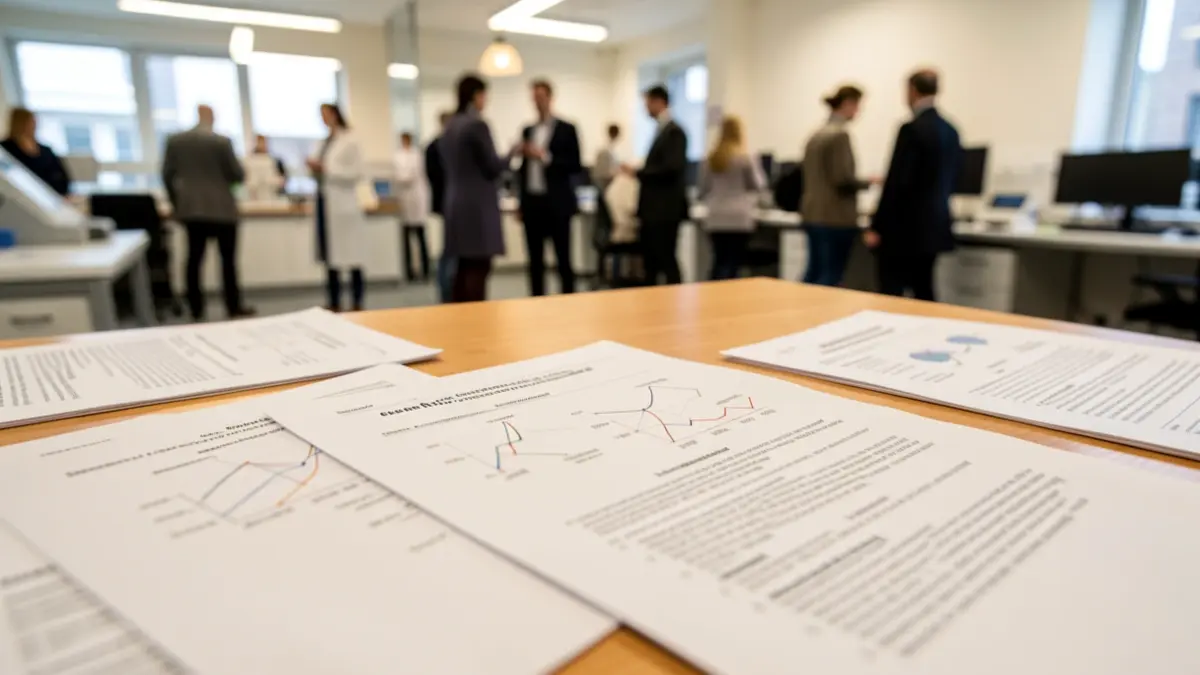
The development was the result of five years of research and consensus, coordinating the work of 44 top-level specialist physicians and incorporating the perspective of a patient representative. The committee, composed of 45 individuals from 11 countries (including Spain, Portugal, the United States, and eight Latin American nations), addressed 20 key questions.
The professor of Health Psychology at UMH, José Joaquín Mira, a recognized expert in healthcare quality, provided technical advice to ensure patient excellence and safety.
The guide is supported by scientific societies such as the Spanish Society of Gastroenterology (AEG), the Spanish Society of Pancreatology (AESPANC), the Portuguese Society of Gastroenterology (SPG), the Pan American Gastroenterological Association (OPGE), and the Inter-American Society of Digestive Endoscopy (SIED).