
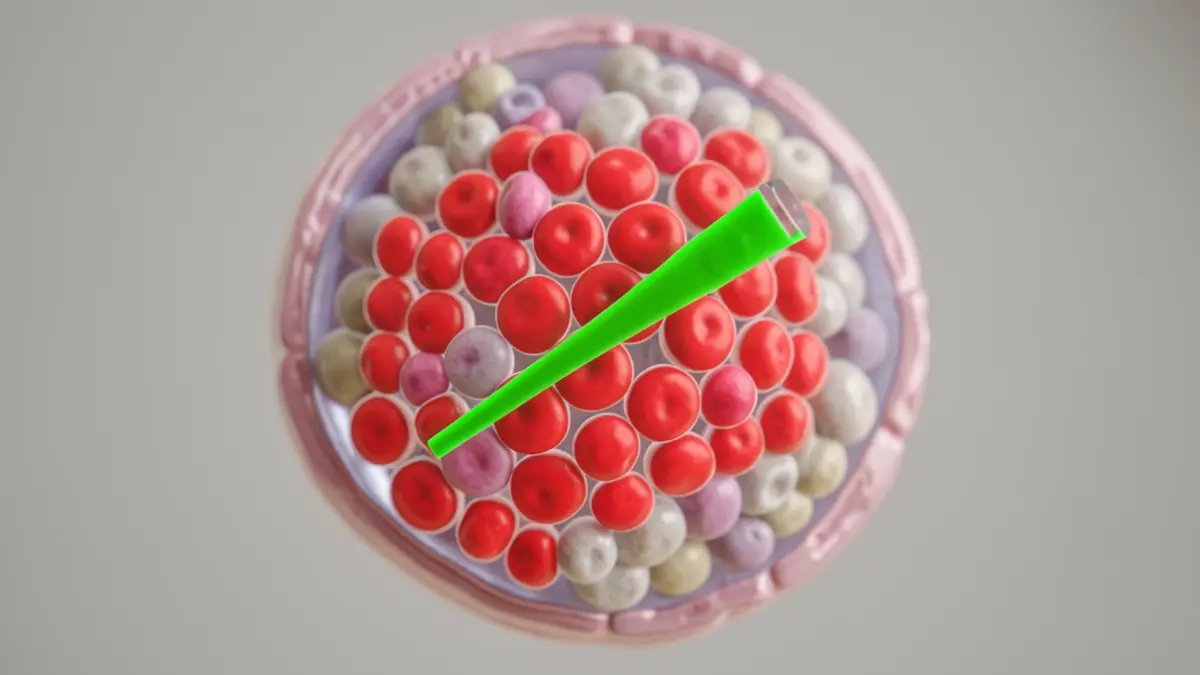
The research, led by Iván Quesada from the Institute of Research in Biotechnology and Health (IDiBE) at UMH and CIBERDEM, focuses on pancreatic alpha cells, responsible for producing and secreting glucagon. This hormone, crucial for regulating blood glucose levels, acts in opposition to insulin, causing the liver to release glucose when the body needs it.
Until now, the study of endocrine pancreas aging had primarily focused on insulin-producing beta cells. However, this work demonstrates that excessively high glucagon levels, maintained over time, can contribute to high blood glucose and promote the development of type 2 diabetes.
Findings from an animal aging model indicate that with age, there is an excess of blood glucagon. This is associated with molecular, structural, and functional alterations in alpha cells, changes that notably worsen in cases of insulin resistance. Alpha cells also show signs of endoplasmic reticulum stress and moderate alterations in their cellular identity.
Clinical data from patients, analyzed within the CORDIOPREV study and led by José López Miranda from the University of Córdoba, corroborate these discoveries. In older individuals, high glucagon levels are associated with a greater risk of type 2 diabetes, especially in those with insulin resistance.
“This discovery is fundamental, as it positions alpha cells and glucagon as promising therapeutic targets for preventing and treating diabetes in the elderly population,” states Quesada.
The research is the result of a collaboration between the Diabesity and Islet Research Lab at UMH and researchers from Brazil and Sweden. The findings have been published in the scientific journal Aging Cell.