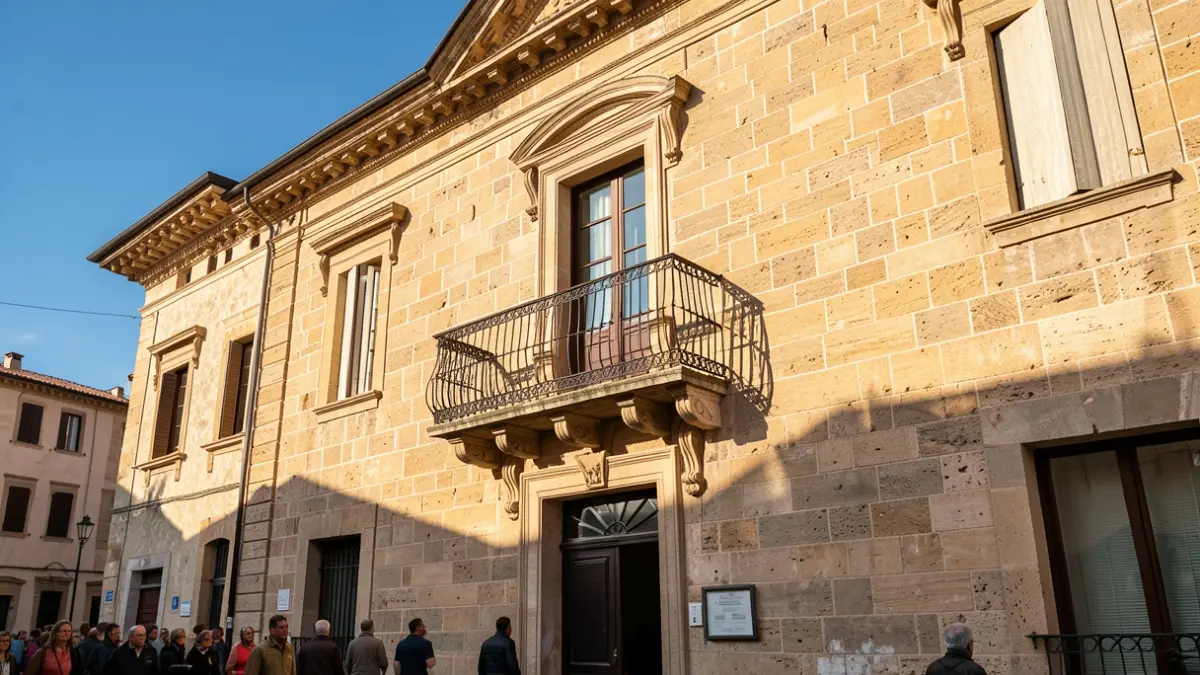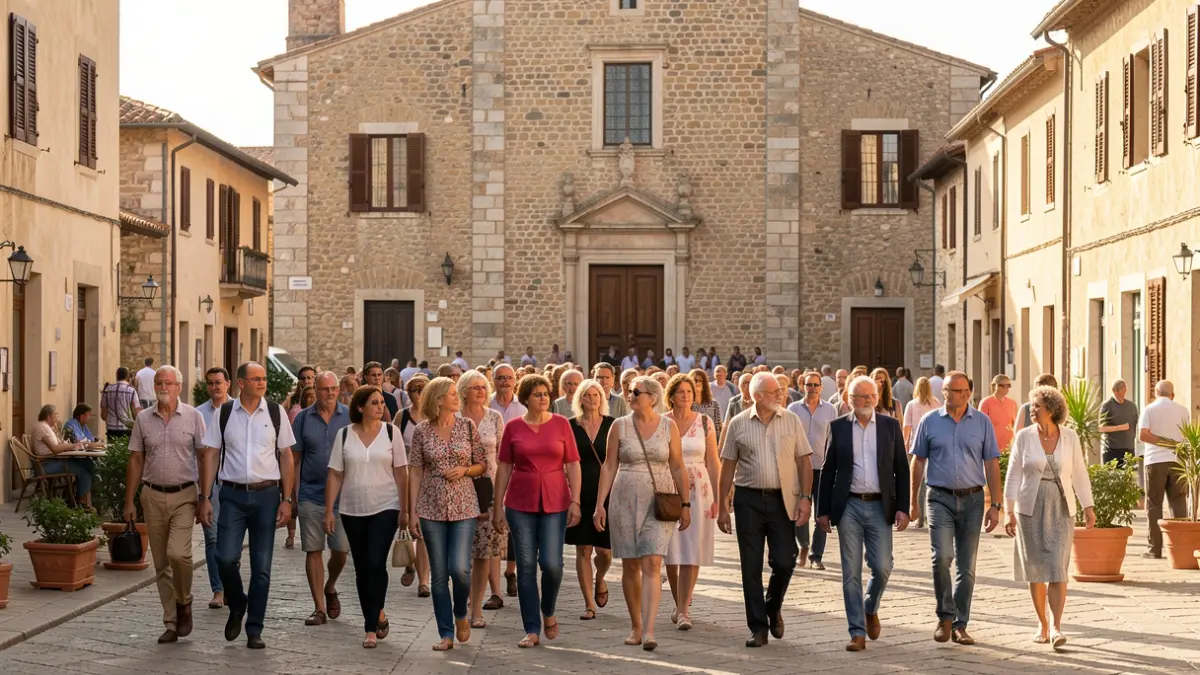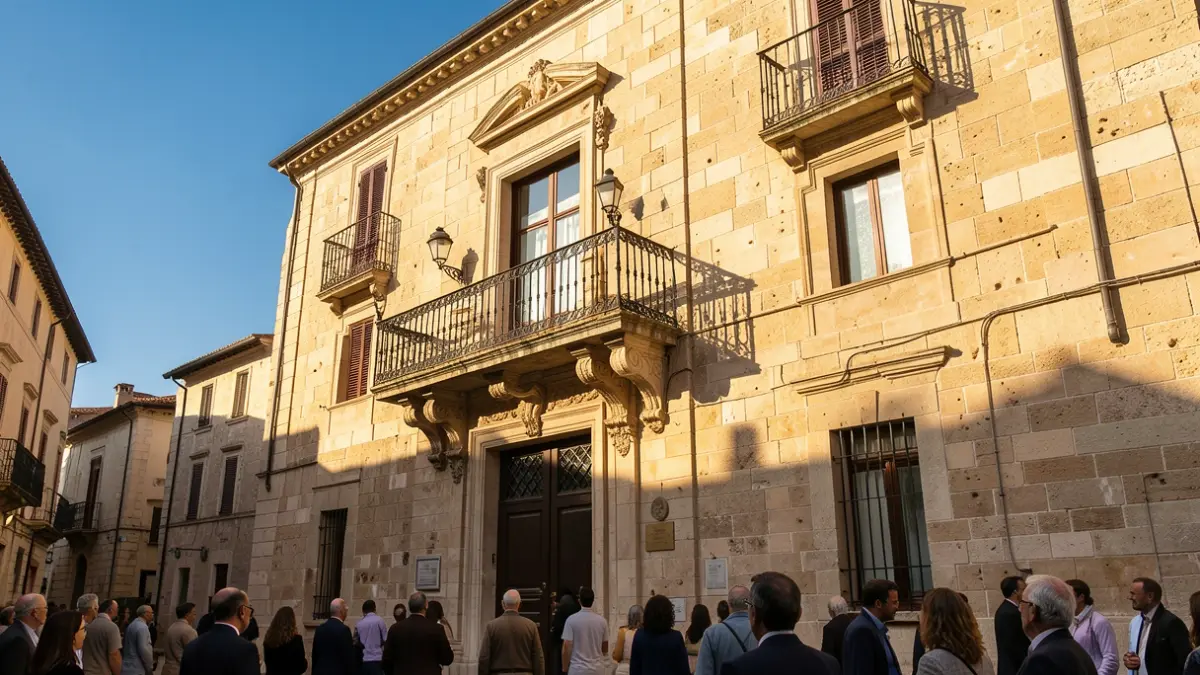
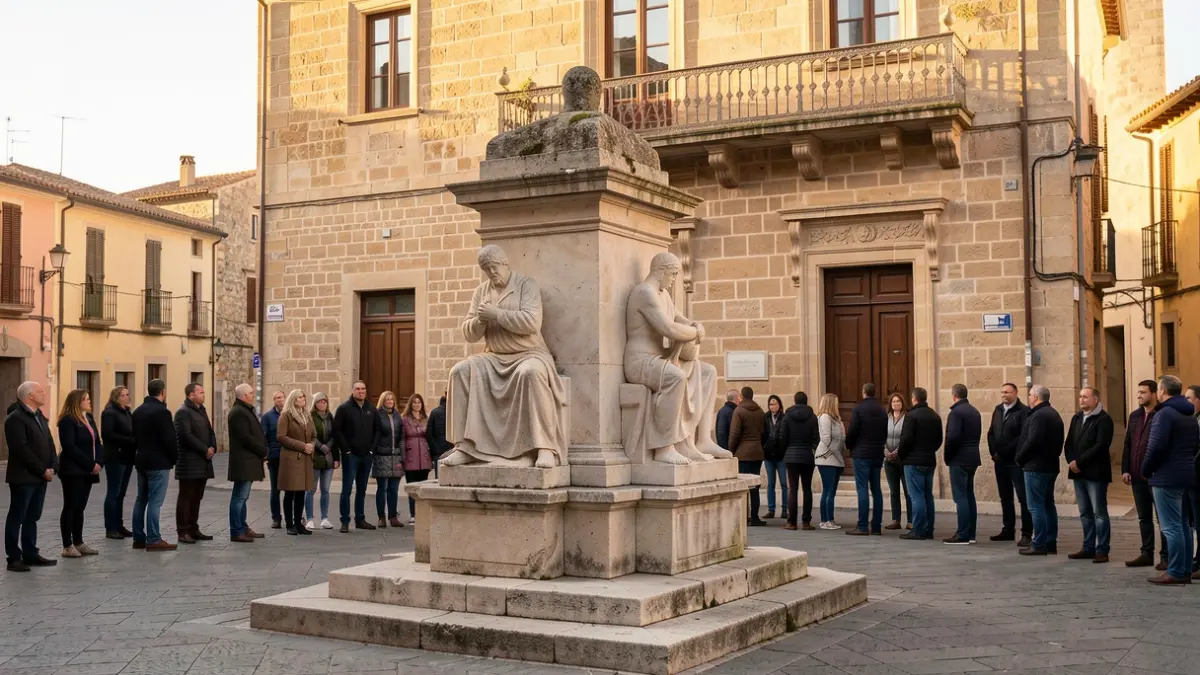
The Orihuela City Council commemorated this Thursday, October 15th, the ‘International Day of Gestational, Perinatal, and Neonatal Grief’ with an event held at the Rincón del Recuerdo, located in the Glorieta Gabriel Miró. This space, dedicated to the memory of children who died during pregnancy, childbirth, or shortly after birth, hosted a tribute to deceased babies. The mayor of Orihuela, Pepe Vegara, and the Councilor for Health, Irene Celdrán, accompanied by members of the municipal corporation, participated in the commemoration, where the right of families to receive dignified care and adequate support during the grieving process was advocated.
The event included an address by the Councilor for Health and the reading of the manifesto from the Spanish Federation of Gestational, Perinatal, and Neonatal Grief (FEDUP), by Sonia Tormo, a mother experiencing perinatal grief. This year, the manifesto focused on the need for social recognition of these losses to translate into effective rights, under the slogan “Our grief deserves rights, not just recognition”.
Councilor Irene Celdrán delivered moving words to the affected families, recalling that “there are goodbyes for which no one is prepared, and there is one particularly painful one: having to say goodbye to a child to whom you have barely had time to say hello”. She highlighted the profound emotional impact and the void that this experience creates, stating that “one child never replaces another, and love does not disappear because a life has been too short”.
Celdrán defended the right of families to grieve without pressure, to express their feelings, and to preserve the memory of their children. The councilor reiterated the commitment of the Department of Health to raising awareness about gestational, perinatal, and neonatal grief and to advancing towards more sensitive and respectful care. Before the manifesto reading, she dedicated words to the deceased babies and their families, stating that “although their steps never walked our paths, they left footprints that no one can erase”.
Subsequently, Sonia Tormo read the FEDUP manifesto, which calls for health, labor, legal, and emotional guarantees. The document acknowledges progress in raising awareness about grief but warns of disparities in care depending on residence or hospital. It advocates for a specific state strategy, mandatory protocols in all healthcare centers, specialized training for professionals, and separate spaces for saying goodbye to children, as well as resources for creating memories.
The manifesto requests clear information for families, specific physical and emotional follow-up for women, free healthcare and psychological support, paid work leave, and voluntary registry of deceased babies. It also calls for guarantees for pregnancy interruptions in nearby public centers, transparent procedures with funeral services, data collection, and research promotion. Mechanisms for claims and reparations for negligent care and awareness campaigns are requested.
Sonia Tormo reflected on criticisms received last year, lamenting the politicization of the event and rejecting that the commemoration be identified with a specific political or ideological stance. She insisted that families demand respect, understanding, and dignified care, and invited attendees to listen to the manifesto without judging anyone's political ideas, race, sex, or religious beliefs. She highlighted the importance of the Rincón del Recuerdo as a public space to remember and honor the memory of deceased children, thanking the involvement of the Rotary Club of Orihuela, which funded the sculpture.
Tormo acknowledged the work of Rocío Loino, promoter of the Alas de Luz project, for her support through memory photography, and thanked Councilor for Health, Irene Celdrán, for her support, as well as the collaboration of the Orihuela City Council, the Vega Baja Hospital, Caja Rural Central (for donating a cuddle cot), sculptor Javier Camaño, and all involved entities.
Finally, Sonia Tormo announced the relocation of the Rincón del Recuerdo sculpture to a more protected spot within the same Glorieta Gabriel Miró, due to vandalism and damage. She also informed about the suspension of the IV Perinatal and Neonatal Grief Conference for reasons beyond the organization's control, without ruling out its celebration at another date. She concluded by thanking attendees for their support in raising awareness about grief, emphasizing the need to continue advancing to ensure adequate support and resources for all families.