In the early 19th century, botanist Simón de Rojas Clemente named the variety Vitis vinifera austerissima after finding the red wines of Utiel and Requena too severe. Two hundred years later, Bobal dominates the region's wine landscape, lending its name to all its products. The history of this grape is one of a long misunderstanding, where for decades it was used to enhance wines from other denominations, without recognizing its own potential.
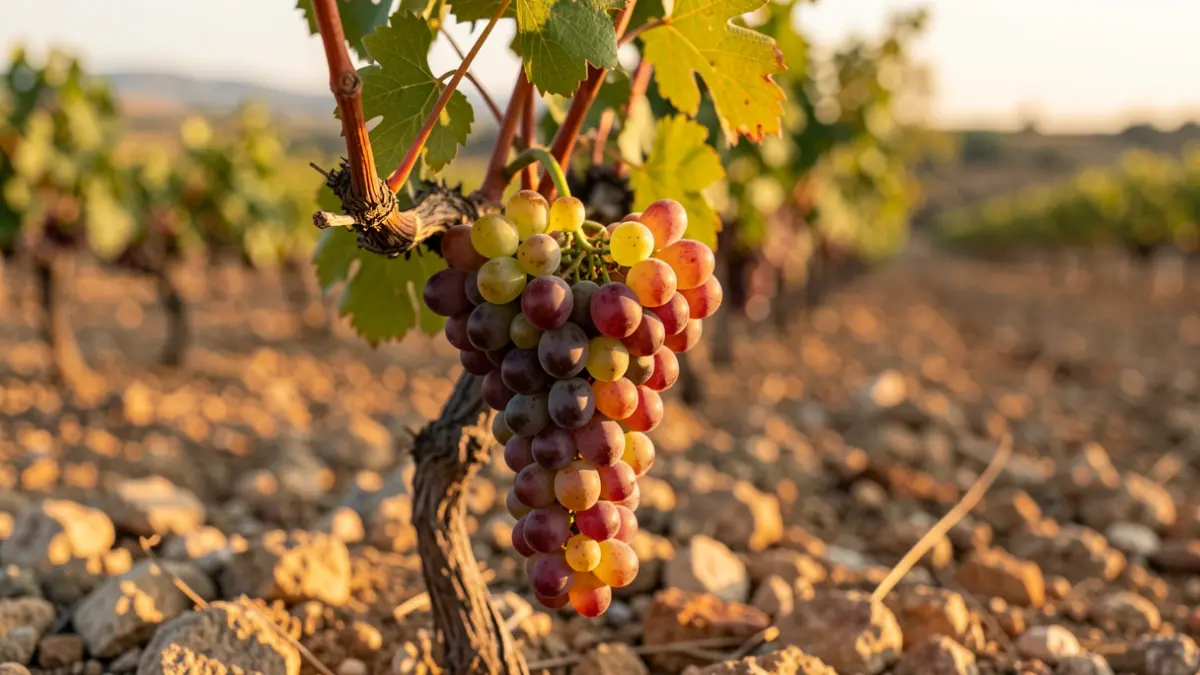
The very reasons Bobal was once disdained—old vines, dry farming, low yields—are precisely what make it valuable today. This native red grape is the most planted in the denomination, with around 20,000 hectares, accounting for two-thirds of the total production. Bobal loses quality when planted at lower altitudes or closer to the sea; it needs the specific combination of the Utiel-Requena plateau: an average altitude of 720 meters, cold nights, about 400 millimeters of annual rainfall, and poor, chalky soils.
This territorial demand explains the region's long winemaking tradition, with uninterrupted production since the Iberian era. Sites like La Solana de las Pilillas in Requena feature rock-cut wineries, and the complex has been on the indicative list for UNESCO World Heritage since 2018. Wine production here dates back over 2,600 years.
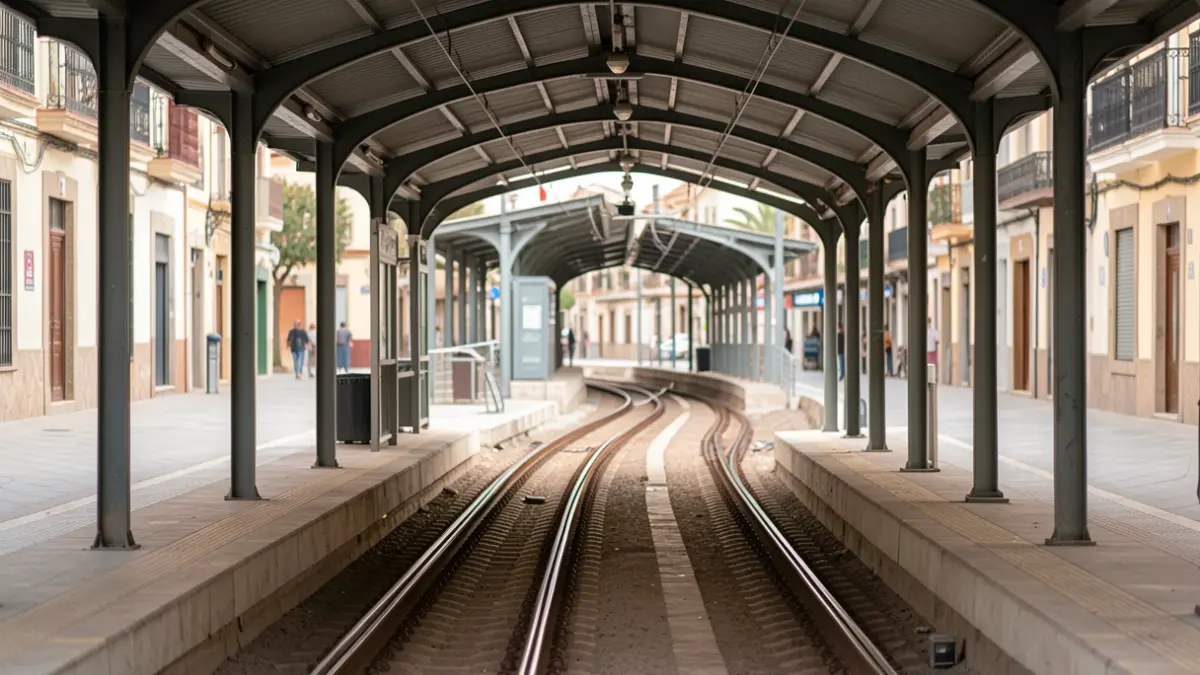
The 'disaster,' if one can call it that, began with success in the late 19th century, when phylloxera devastated French vineyards, leading Spain to export vast quantities of wine. The inauguration of the Valencia-Utiel railway line in 1887 spurred unprecedented growth in vineyard area, focused on high volume and weight-based sales. For much of the 20th century, Bobal was bought to correct other wines, rarely appearing on labels under its own name.
The denomination was recognized in 1932, but the inertia of bulk wine took decades to break. The change came when a few wineries began doing the opposite of what had always been done: lower yields per vine, selective harvesting, and bottling Bobal alone. Today, nearly 8,500 hectares of the denomination's Bobal vineyards are over forty years old, a heritage of old vines that exists because it wasn't profitable to uproot them.
An old dry-farmed vine produces little, a disadvantage when wine was paid by the kilo, but an advantage when paid by quality. The Bobal Alta Expresión designation requires vineyards over 50 years old, yields below 4,000 kilograms per hectare, and dry cultivation, representing a commitment audited by the Regulatory Council.
In the glass, a Bobal red is recognized by its intense color, with violet reflections that turn to cherry as the wine matures. Ageing wines evolve slowly, maintaining a youthful appearance for years. On the palate, they have body, intensity, and a natural acidity that sustains them, originating from the plateau's cold nights. The rosés, with a characteristic pink color and aromas of strawberry and raspberry, offer a quick way to understand the variety.
Bobal reds show higher amounts of resveratrol, an antioxidant, attributed to the area's climatic and water stress. This is an ongoing research area, not a health claim. The Bobal mention on the label indicates a single varietal, which can be combined with aging designations like Crianza or Reserva. The Bobal Alta Expresión mention is the most demanding.
The future of old-vine Bobal depends on generational renewal and rootedness in the region, which is losing population. Preserving old vineyards requires hands willing to work low-yielding vines. The denomination emphasizes generational change as a key variable to ensure the continuity of this variety.
Bobal is not an easy or gentle grape; it demands altitude, drought, old vines, and patient hands. What has changed is not the variety itself, but that it is finally allowed to speak in its own voice. The quickest way to understand it is to drink it where it's made, as the wineries of the DO Utiel-Requena are open year-round, allowing visitors to see the old vines before tasting.