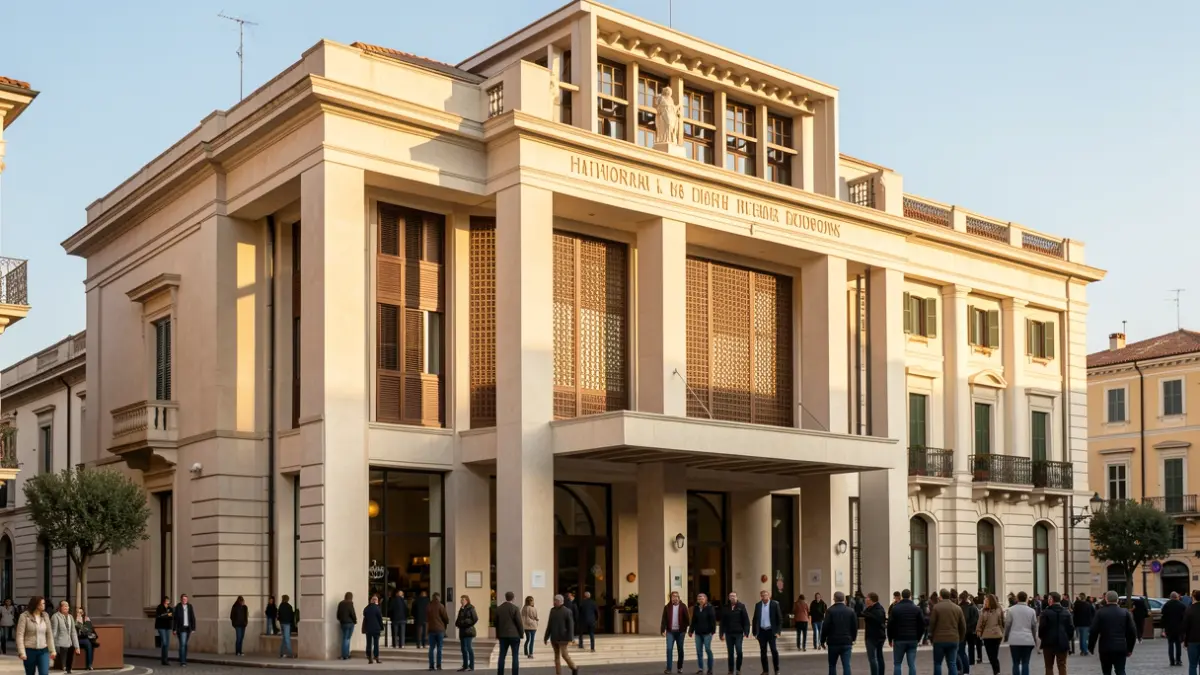
Burriana will soon begin emptying the former premises of the Orange Museum, a cultural institution that closed due to the economic crisis in 2012 and which the municipality aims to reopen 15 years later in a new location. The City Council is searching for a new building, while simultaneously investing in the conservation and restoration of the museum's collection, which requires treatments against humidity and pests, especially for the historical garments.
Mayor Jorge Monferrer has emphasized the importance of finding a suitable venue, stating that "not just anything will do." He expressed, "The quickest would be to locate it in any building, but the shell also says a lot about the museum itself." The aim is to find a representative building, similar to the former site, that reflects the history and richness the orange industry brought to Burriana, such as the sumptuous modernist residences.
Monferrer admitted that the ideal scenario would be direct relocation to the permanent building, but it's likely a temporary move to an adequately equipped municipal site will occur as an intermediate step while a firm new headquarters is secured. The inability to maintain the old museum on Carrer Major, in a building owned by the Fundació Caixa Castelló, stems from economic and technical difficulties for its rehabilitation.
The Councilor for Culture, Alejandro Clausell, explained that rehabilitating the historic building requires a very substantial investment, including installing an elevator, a climate control system, and works to address humidity issues. Furthermore, as it is not a municipal building, "it is technically unfeasible to make a million-euro investment" in it.
Among the options considered was the Terraza Payà building, municipally owned, but a structural load study indicated the need for reconstruction, which would extend timelines. Monferrer highlighted the need for a "more immediate solution" to avoid delaying the museum's reopening, also considering its function is affected by the reform and pedestrianization of the Pla area and the possibility of it becoming a parking lot.