Researchers from the Spanish National Research Council (CSIC), Amparo Querol, Ramón González, and José Manuel Guillamón, present the book 'Las levaduras en los alimentos' (Yeast in Food), published in the ¿Qué sabemos de? (What do we know about?) collection (CSIC-Catarata). The work addresses the importance of yeast in human nutrition, from its traditional use in food and beverage fermentation to its new applications in producing high-value ingredients.
The book reviews the biology of these unicellular fungi, their genetic and functional diversity, and their role in both the benefits and problems they can cause in food. It also discusses new sustainable uses derived from agri-food waste and advances in genetically improved yeasts.
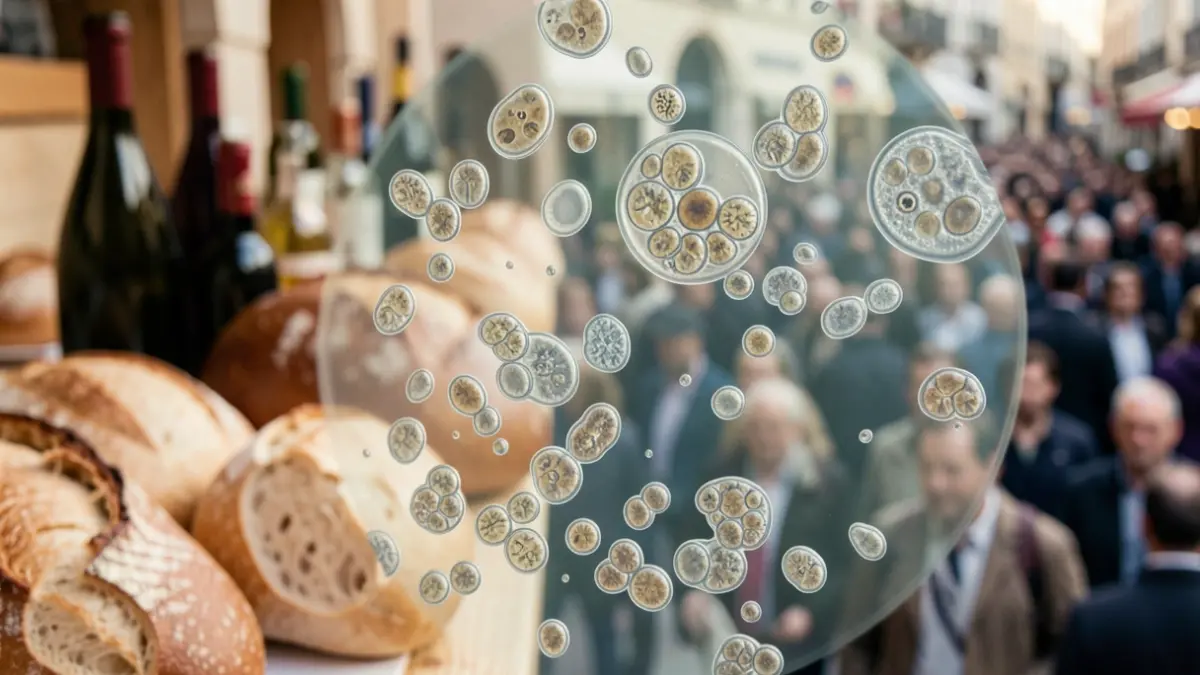
The authors highlight that many people are unaware that behind products like wine or bread lie complex communities of different yeast species. It is estimated that only 1% of the more than 1,600 described species have been identified, and yeasts are capable of colonizing virtually any environment with sources of carbon, nitrogen, and water.
Saccharomyces cerevisiae is the most common yeast in food, used for thousands of years to transform sugars into alcohol and aromatic compounds in the production of wine, beer, and bread. Its ability to survive extreme fermentation conditions also makes it a key study model in biochemistry.
Beyond the most well-known products, yeasts are involved in the fermentation of cider, olives, coffee, cocoa, soy sauce, as well as various cheeses and cured meats. They are also key components in microbial consortia such as sourdough starter or kefir.
The authors point out that, although yeasts can cause problems or infections in very specific clinical contexts, they generally have a "truly enviable" safety record compared to other microorganisms.
The book also explores the promising future of yeasts in biotechnology, turning them into "cellular microfactories" for the production of proteins, antioxidants, vitamins, flavorings, or colorants through precision fermentation. Furthermore, it highlights the utilization of agri-food by-products for their cultivation, promoting a circular economy.