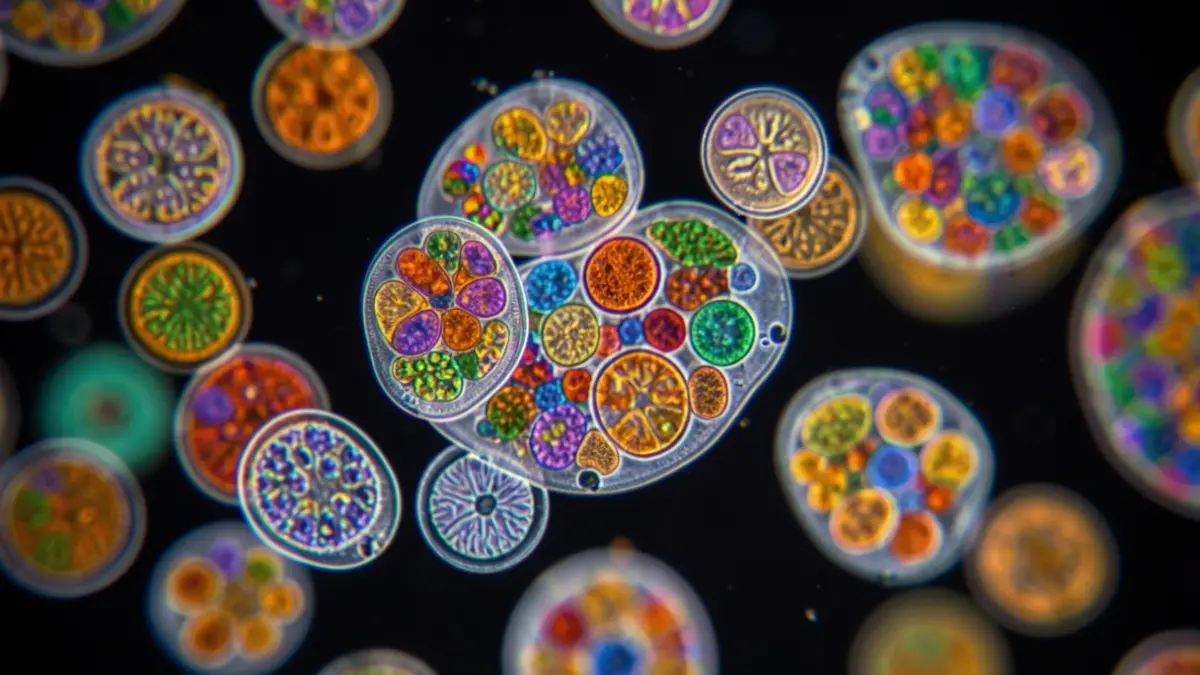
Querol, co-author of the book 'Las levaduras en los alimentos' with Ramón González and José Manuel Guillamón, highlighted the importance of these microorganisms in the production of fermented foods and beverages. The book, published in the ¿Qué sabemos de? (CSIC-Catarata) collection, explores the biological diversity of yeasts and their impact on human nutrition.
The research also examines how yeast properties can be harnessed for the production of compounds of industrial and health interest, such as proteins, antioxidants, vitamins, and aromas. New biotechnological techniques, like precision fermentation, open new avenues for obtaining high-value ingredients from agri-food by-products.
The publication reviews yeast applications beyond traditional fermentations, such as winemaking or bread making, and underscores their potential in industrial and health biotechnology, revolutionizing human history.