Ferrocarrils de la Generalitat Valenciana (FGV) has initiated the process to adapt the Naranjos Workshops in Valencia to accommodate the 16 new 4.500 series units being manufactured by Stadler Rail. These future units, exceeding 45 meters in length and with a capacity of 285 passengers, will enable the progressive replacement of the Siemens 3.800 series trains, in service since 1994.
The workshop renovation, with a total budget of 5,457,335.06 euros, includes adapting clearances, tracks, structures, electrical installations, air conditioning, and fire protection systems. The estimated execution period is nine months from the contract award.
The Generalitat acquired 22 trams from Stadler Rail for approximately 140 million euros. Six of these vehicles will be allocated to the TRAM d’Alacant, while the remaining 16 will join the Metrovalencia fleet. The first units are expected to arrive in Valencia next year, with an approximate incorporation rate of one unit per month over the next 22 months.
The third vice-president and Minister of Infrastructure, Vicente Martínez Mus, highlighted that this action demonstrates the execution of FGV's Investment Plan. The new 4.500 series units, with a maximum speed of 70 km/h, will modernize the rolling stock and increase the capacity of the city's tram network.
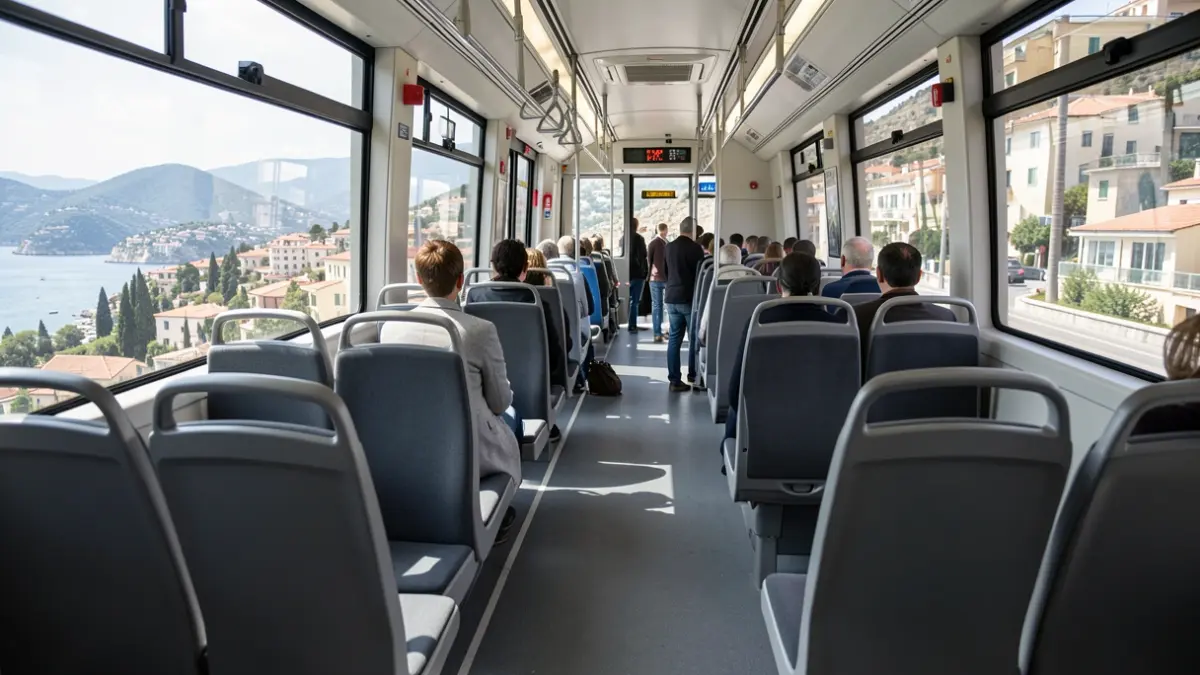
The new trams, designed using BIM methodology, will be fully accessible and feature spacious multifunctional areas, as well as reserved seats for people with reduced mobility. The interior layout aims to expedite passenger entry and exit, enhancing universal accessibility, comfort, and safety.