
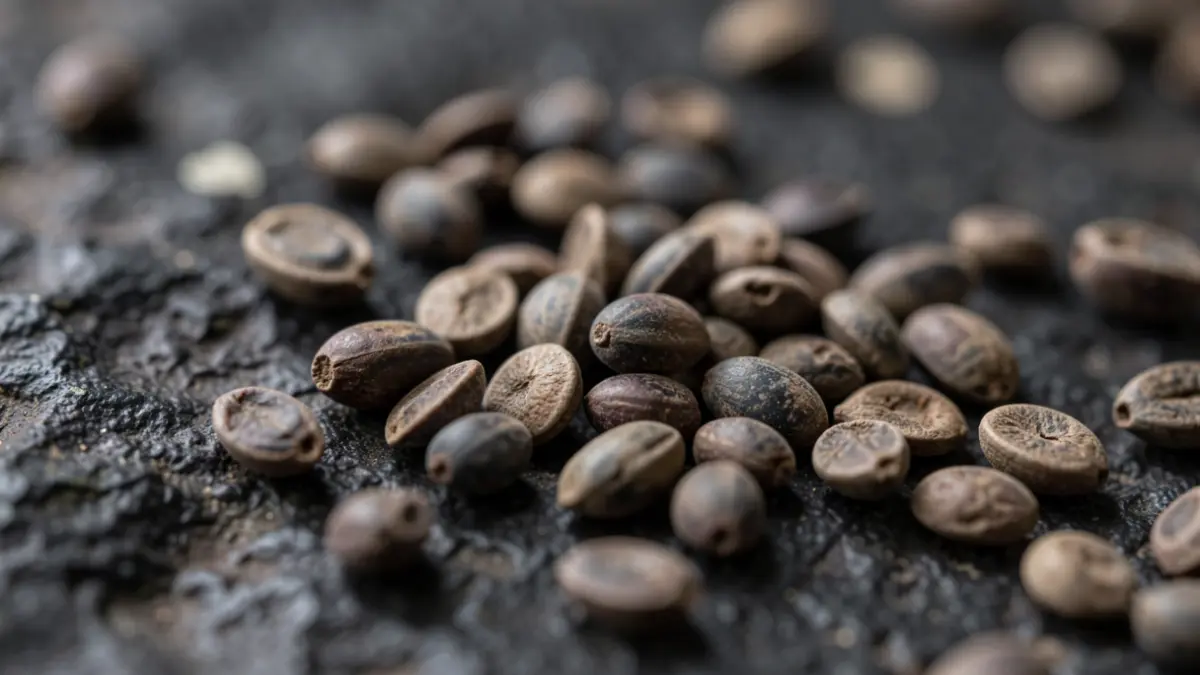
An international study, spearheaded by the Universitat de València, has analyzed 28 grapevine seeds of the species ‘Vitis vinifera’ found at archaeological sites in the Iberian Peninsula and Sardinia. The findings suggest that these first cultivated varieties were brought by Eastern colonists who settled primarily in the south and east of the Peninsula.
These colonists introduced the Eastern-origin grapevines, which soon began to crossbreed with local wild populations. This hybridization was key to forming new genetic lineages, precursors to many traditional Iberian varieties. According to Guillem Pérez Jordà, a researcher at UV, these varieties were already identifiable in seeds dating back to the 4th century BC.
The investigation employed ancient DNA analysis to trace the origin and evolution of these vines. The technique allowed researchers to determine when these Eastern strains began to be cultivated and how quickly they hybridized with local wild varieties. One of the most significant discoveries is the persistence of certain lineages over centuries, with familial relationships detected between seeds from different eras.
Genetic connections have been found between these ancient seeds and current varieties, such as the Valencian raisin grape. Furthermore, it has been confirmed that the founding variety known as hebén has remained in cultivation for at least the last 1,100 years, highlighting the historical importance of some viticultural strains.
The study confirms the role of the Phoenicians in the expansion of viticulture westward across the Mediterranean. The introduction of these plants was rapidly adopted by local populations, fostering a significant expansion of vineyards and wine production in southern and eastern Iberia. From the late 8th century BC onwards, this production acquired a clear commercial character, making wine a relevant economic product.
The work was the result of an international collaboration between the Universitat de València, the Institut de Ciències de la Vinya i del Vi (ICVV-CSIC), and the Institut d’Història (IH-CSIC), with its findings published in the scientific journal ‘Current Biology’.