
The Labora Service has initiated an innovative project utilizing artificial intelligence (AI) for simultaneous translation and interpretation. The goal is to enhance communication with users who do not speak the official languages, thereby removing linguistic barriers to accessing public employment services.
The First Vice President and Minister of Employment, Susana Camarero, visited the Espai Labora on Felip Rinaldi street in Valencia to learn about this initiative. Camarero emphasized that the technology aims to provide "more accessible" services to citizens.
Developed under the Annual Work Plan of the Center for Orientation, Entrepreneurship, Support, and Innovation for Employment in the Valencian Community (COE CV), the system can currently interpret 47 languages, with the capacity to progressively add more dialects.
This pilot project is being implemented in three Espais Labora locations that experience a high influx of foreign residents: Alicante-Els Àngels, Torrevieja, and the aforementioned València-Felip Rinaldi.
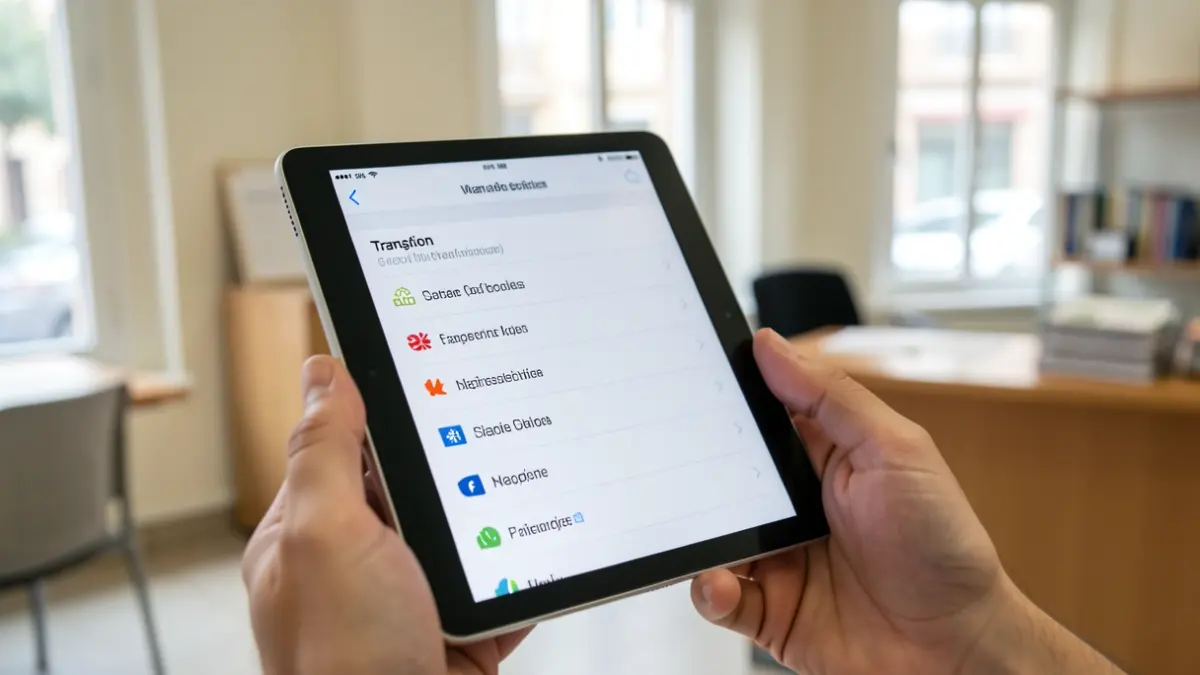
The system offers two service modalities. For extended orientation interviews and prolonged interactions, two connected devices are used. For brief inquiries at service desks, a single device suffices.
The technological infrastructure includes tablets, microphones, and audio systems, supported by the necessary technical assistance for its execution. Minister Camarero highlighted that this technological integration "is part of Labora's effort to adapt public employment services to the needs of an increasingly diverse citizenry".