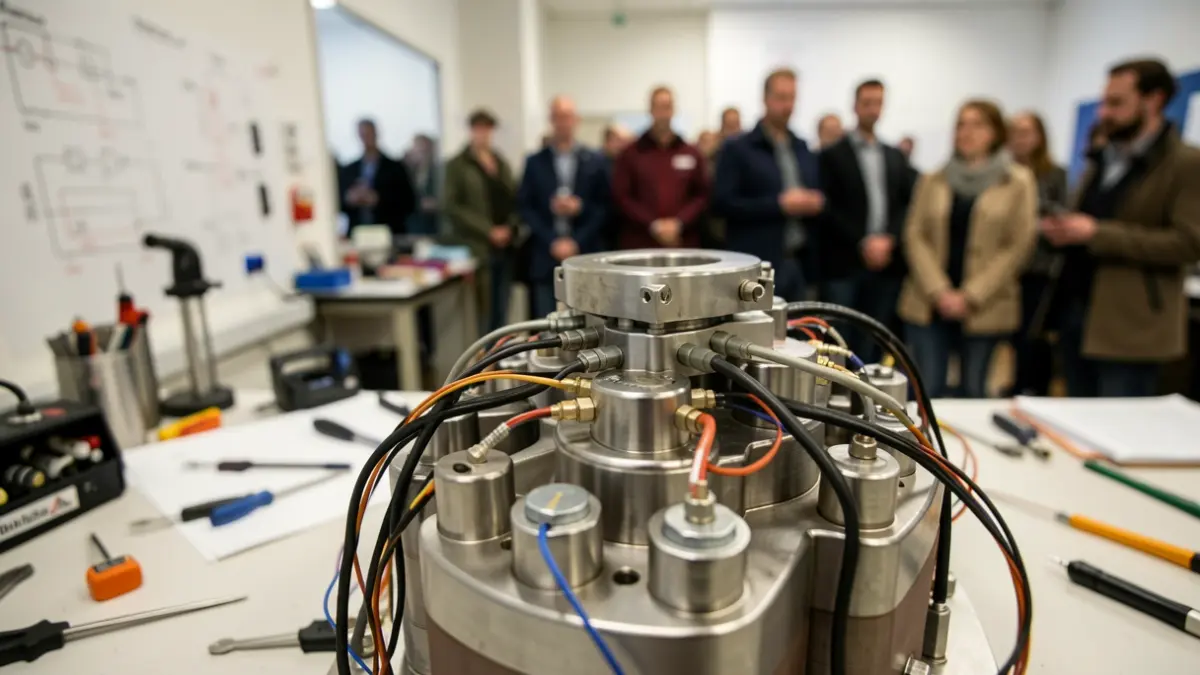
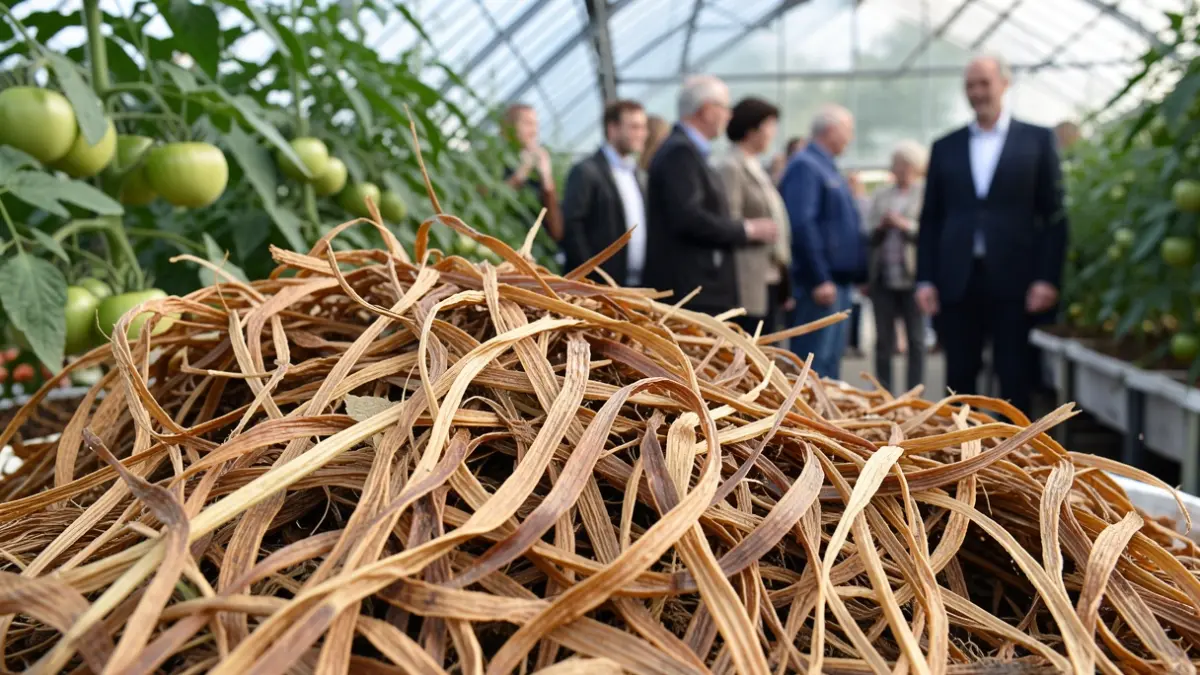
The Agricultural Chemistry group at the UA has created a technology, protected by a patent application, that transforms waste from Posidonia oceanica, a marine plant that accumulates on Mediterranean beaches, into a growing medium for horticultural crops. This new substrate significantly enhances the flavor and aroma of fruits like tomatoes, presenting itself as a natural and sustainable option against peat, whose extraction causes severe environmental damage.
The main innovation of this technology lies in its manufacturing method, which completely dispenses with chemical additives. The process involves selecting, cleaning, and drying the posidonia remains, followed by shredding and mixing with an inert substance that optimizes the substrate's texture, aeration, and water retention capacity. According to Borja Ferrández, a researcher from the Department of Biochemistry, Molecular Biology, Soil Science, and Agricultural Chemistry, the process is completed in just five days, a much shorter duration than traditional composting methods that can take months.
Unlike previous studies, where a proportion exceeding 30% of marine residue caused salinity problems, the UA's new formulation allows for a much higher amount of Posidonia oceanica to be incorporated without affecting the crop. Furthermore, the treatment preserves the plant's natural bioactive compounds, which contribute to nutrient availability, stabilize pH, and stimulate the synthesis of sugars and volatile compounds responsible for the fruit's flavor and aroma.
This advancement addresses the agricultural sector's dual challenge: the progressive loss of flavor and quality in high-consumption crops, such as tomatoes, and the degradation of fertile soils due to climate change impacts. Greenhouse cultivation on substrates is increasingly common, but peat, the reference material, presents serious sustainability issues.
This project is one of the outcomes of the INSIGNIA project, led by the UA, which aims to utilize Posidonia oceanica beach wrack to obtain bio-stimulants and cultivation substrates. Greenhouse experimental trials have validated the procedure. The technology, which has a patent application, is now in the proof-of-concept phase, funded by the Valencian Institute of Competitiveness and Innovation (Ivace+i), to evaluate its performance under real conditions and its scalability in sectors such as horticulture and organic farming.
The Technology Transfer Office (OTRI) of the University of Alicante is now seeking companies interested in its commercial exploitation through licensing agreements or technological collaboration.