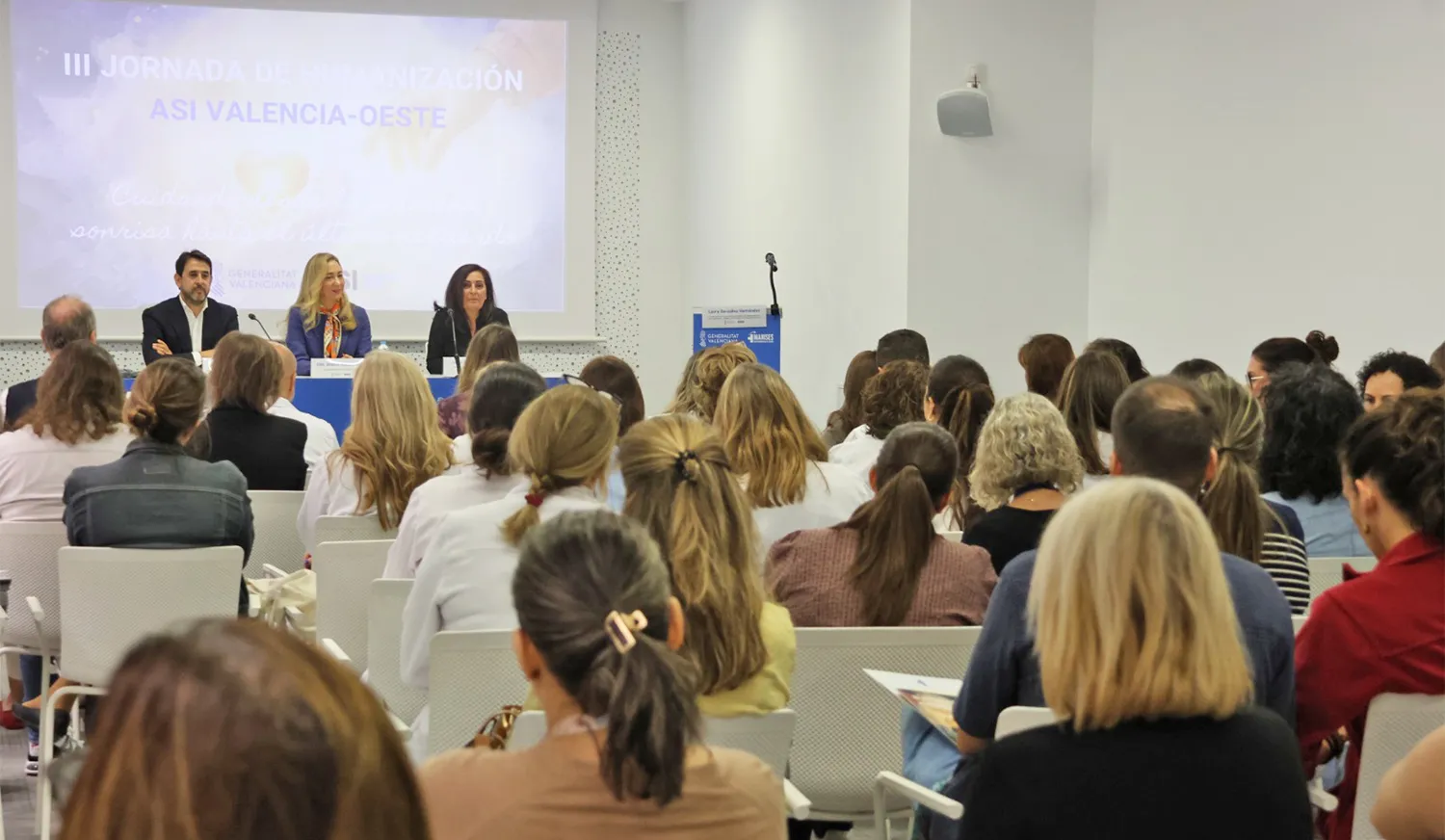
During the IX Carmencita Conference on Interdisciplinary Studies on Gastronomy, held on October 19th at the UA, participants issued a declaration calling for food to be treated as a fundamental right under the slogan “Teaching to cook and eat from local gastronomy”.
This manifesto was signed by speakers and members of the organizing committee, including Josep Bernabeu Mestre (Professor of History of Science and Academic Director of the Carmencita Chair), Maria Tormo Santamaria (coordinator of the ACORD project), Gregorio Varela Moreiras (Professor of Nutrition and Food Science at San Pablo-CEU University), Casimir Romero i Garcia (teacher and cultural disseminator), Pep Romany (activist for local cuisine), as well as teachers from various primary schools such as Xavi Fos and David Masià (CEIP Bertomeu Llorens i Royo of Catarroja), Alberto Segarra and Liliana Vizcarro (CEIP Jaime Sanz of Peñíscola), and José Luis Bisquert and Isabel Moreno (CEIP Port de Xàbia).
The signatories denounce the critical consequences of the globalized agrochemical model, which accelerates the climate crisis, destroys biodiversity, weakens food sovereignty, and increases chronic diseases. They propose an urgent transition towards local agroecological food systems that connect health, culinary pleasure, and cultural roots.
The main conclusion of the conference identifies schools as a fundamental pillar for reversing this trend. They advocate for the “urgent need to incorporate the teaching of eating and cooking in early educational stages” to reconnect new generations with local produce and seasonal cycles.
The “Centres Cuiners” project was highlighted as a success story, an educational model demonstrating how direct practice in schools can raise awareness from an early age, cultivate taste, and establish permanent habits, using cooking as a classroom for life.
The final declaration concludes with a “firm commitment” from the organizing entities and participants to continue promoting projects that bring cooking into classrooms, and issues a “direct call to public administrations, the educational community, the agri-food sector, and society in general to jointly defend a fair and sustainable food model”. “Educating in eating is, ultimately, educating for the health of people and the planet,” the manifesto concludes.