The Riba-roja de Túria City Council held a technical conference this Wednesday to analyze the future of the restoration of the municipality's four quarries. The meeting brought together the municipal government, representatives from the Network for the Restoration of Mines and Quarries, the Association of Aggregate Companies of the Valencian Community (ARIVAL), and expert technicians. The conference included participation from the General Directorate of Mines and Quarries of the Generalitat Valenciana and international expert Peter Whitbread, founder and director of Future Terrains International.
Whitbread's participation was key to understanding projects for the restoration of degraded spaces he has directed worldwide, such as the Eden Project. The council began working with this botanical complex, inaugurated in 2001 in Cornwall (England), as a model for Riba-roja de Túria since 2015. This project has had an economic impact of over 6.8 billion pounds and has received 25 million visitors.
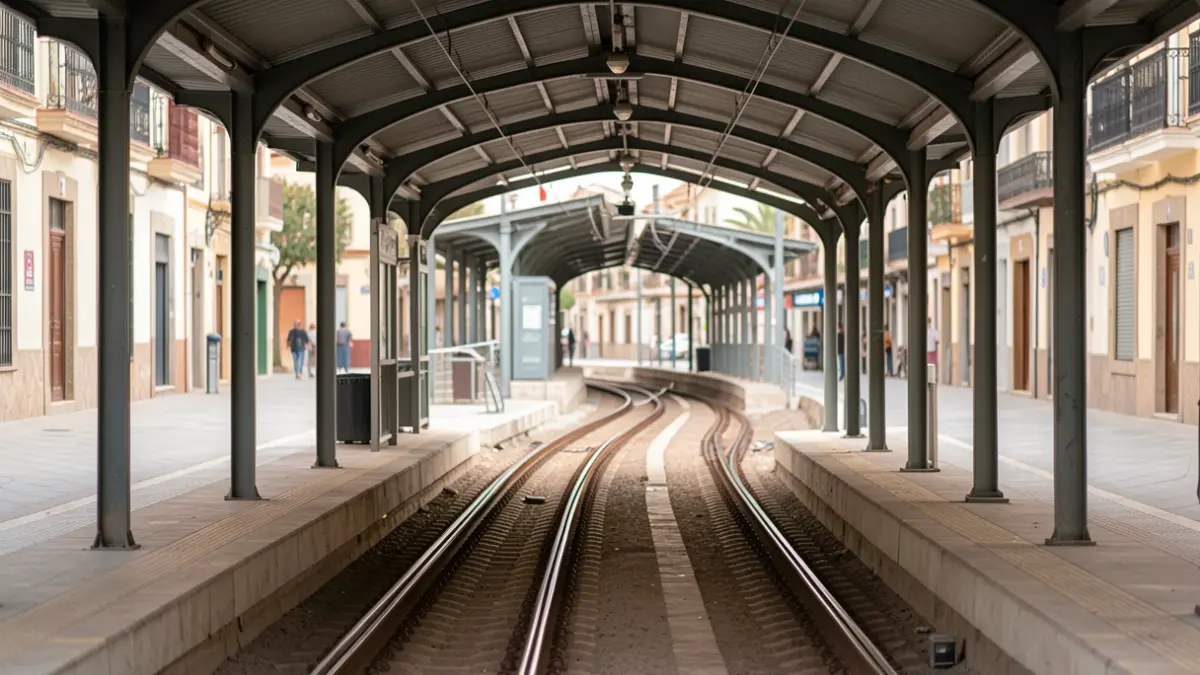
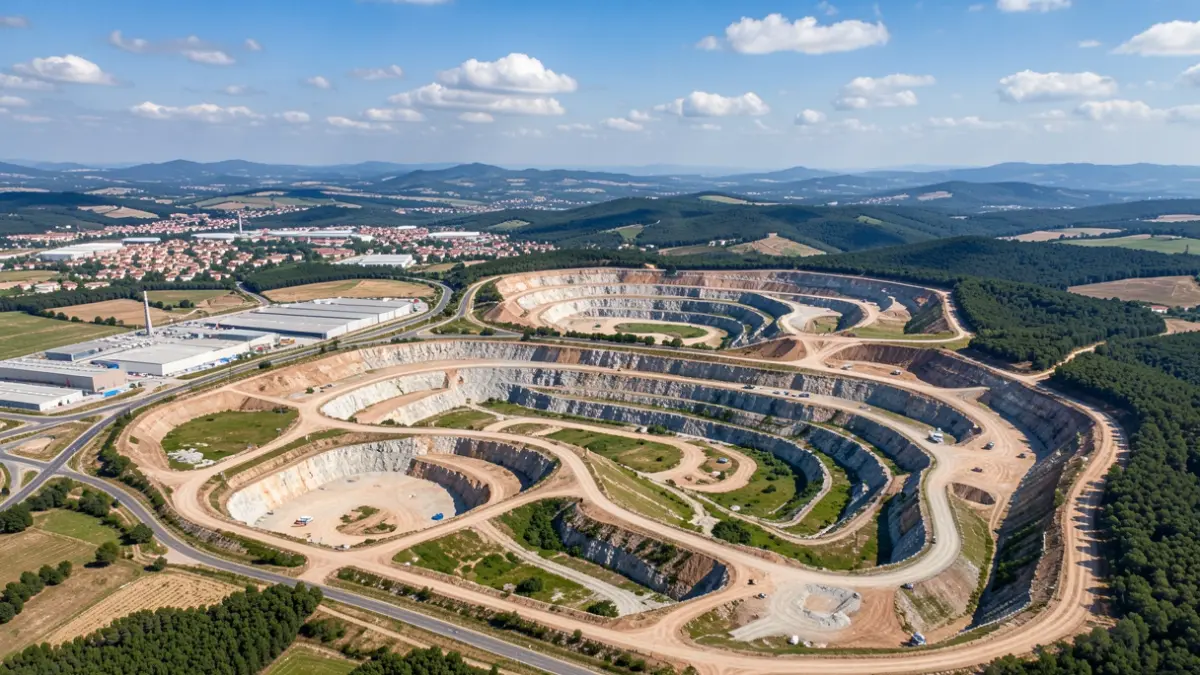
Riba-roja de Túria has four quarries, three of which are in operation: El Porvenir (Aristaria), Carasoles (Corporación F Túria), la Senyoreta (Cemex), and La Pedrera (CYES), which is currently closed. These private quarries are strategically located between the CV-374, the industrial zone of the A7, and the CV-370, and are connected by public transport (Line 9 of Metrovalencia) to Valencia. Their peculiarity lies in the territorial connection via forest tracks and their ecological (Túria Natural Park, Les Rodanes Natural Park) and heritage value (Roman Aqueduct in Porxinos).
The conference served to discuss innovative and sustainable projects that could be developed in the medium and long term in these four quarries, which occupy nearly 600,000 m² of a total area of 1.4 million m².
“"It is a unique opportunity to turn the territory into an environmental, innovative project with great social and economic value for the municipality."
Mayor Robert Raga highlighted the unique characteristics of Riba-roja's quarries, making them an attractive space for the nearly two million inhabitants of the metropolitan area, due to their proximity to the A3, the by-pass, Metro Line 9, and five minutes from Manises airport. He concluded that "it can become one of the most important and unique projects in Europe".
The project will be carried out in coordination with the Network for the Restoration of Mines and Quarries, which since 2019 has been working with 130 professionals, 19 universities, and 57 partners. The participation of ARIVAL, representing the land-owning companies, will be key. The companies already have restoration plans submitted to the Ministry of Environment and the Directorate General of Energy and Mines. The municipal proposal opens a new avenue for collaboration to study innovative public-private financing projects.
The City Council has announced that the project will be participatory through the 14 sectoral councils, aiming to consolidate concerns for the valorization of these degraded spaces, promote environmental restoration, and generate new social, economic, and environmental opportunities for Riba-roja de Túria and its province.