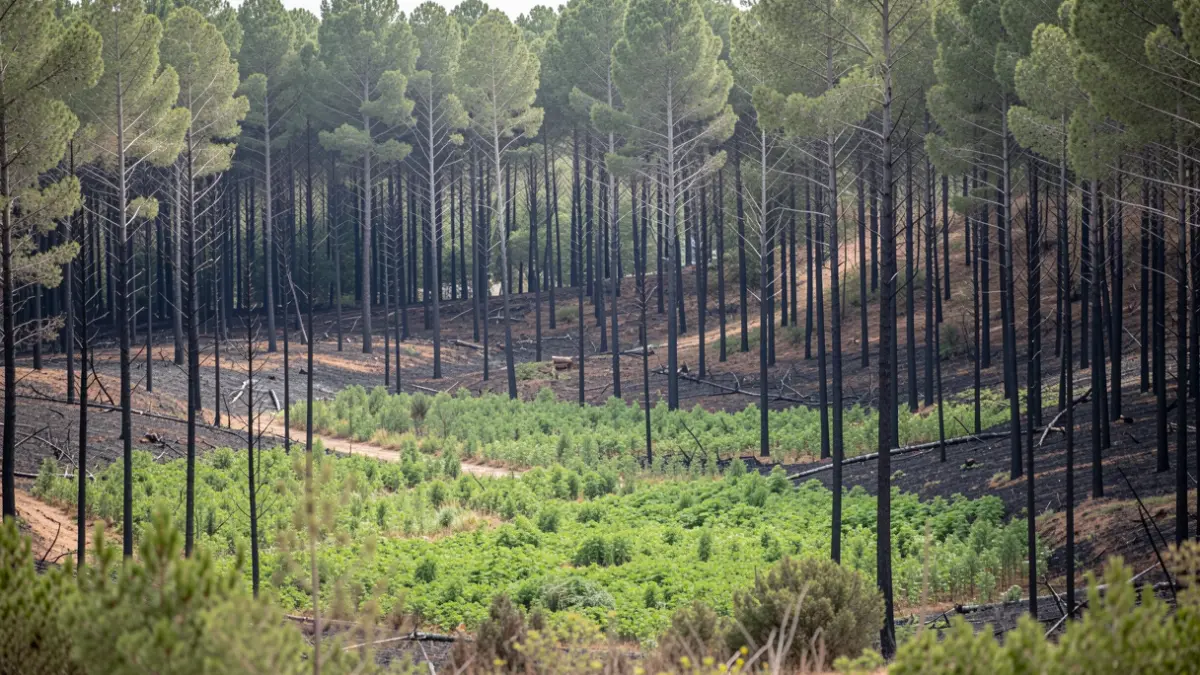
The environmental organization argues that the fire, which burned 9,300 hectares, with 3,581 hectares within the Serra d'Espadà Natural Park, has severely disrupted ecosystems and natural habitats. The direct death of animals and the need for survivors to seek refuge in nearby unburned areas make hunting pressure particularly detrimental at this time.
The request includes the municipalities of Aín, Alcúdia de Veo, Alfondeguilla, Artana, Betxí, Chóvar, Eslida, la Vall d’Uixó, la Vilavella, Nules, Onda, Sueras, and Tales. According to Ecologistes en Acció, these municipalities, either directly affected or bordering the burned areas, may be serving as refuges for displaced fauna.
The entity emphasizes the importance of minimizing disturbances to promote vegetation regeneration, protect the soil from erosion, and allow animal populations to recover their habitats. The traffic associated with hunting, including vehicles, people, and dogs, could increase stress on wildlife and interfere with this vital recovery process.
The request recalls that Valencian regulations already prohibit hunting in burned forest areas for a legally established period, and the Serra d'Espadà Natural Resources Management Plan stipulates this for the following two years. However, Ecologistes en Acció believes the exceptional scale of this fire justifies a broader measure based on the precautionary principle.
The organization calls on the Generalitat to ensure and rigorously monitor compliance with the hunting ban in the burned areas and to extend this protection temporarily to the surrounding municipalities until wildlife populations and ecosystems can recover without compromise.