A study developed by the Sensory Transduction and Nociception lab at the Institute of Neurosciences (IN), a joint center of the Miguel Hernández University of Elche (UMH) and the Spanish National Research Council (CSIC), has identified a fundamental mechanism in chronic pain caused by nerve injuries. The research demonstrates that the protein Piezo2, present in sensory neurons, plays a crucial role in the mechanical hypersensitivity associated with neuropathic pain.
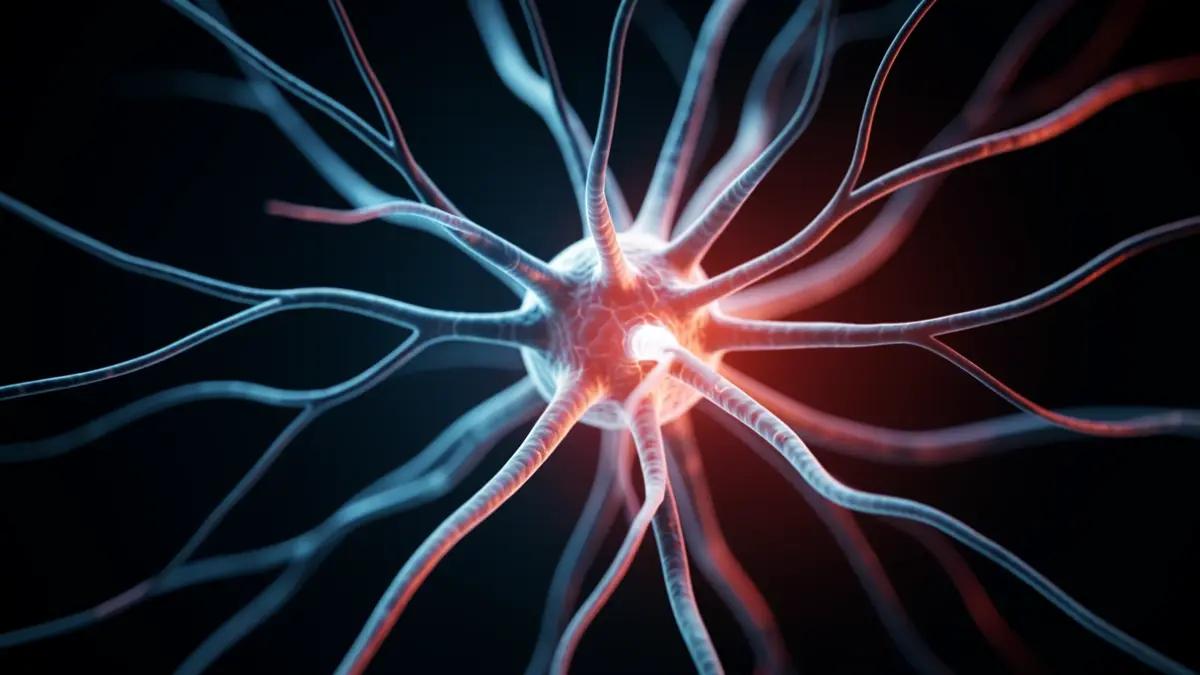
The work, published in the journal PAIN, focused on MrgprD nociceptor sensory neurons, which express high levels of Piezo2, a mechanical sensor that detects physical stimuli such as pressure. This discovery is related to the 2021 Nobel Prize in Physiology or Medicine awarded to David Julius and Ardem Patapoutian for their work on ion channels.
According to lead researcher Ana Gomis, “mechanical pain is one of the most disabling symptoms in many chronic pain patients, but we still know little about how it originates at a molecular level.” The results suggest that Piezo2 is essential for certain sensory neurons to develop an exaggerated pain response after nerve injury.
Neuropathic pain affects millions of people and manifests as an exaggerated response to touch or mechanical stimuli. The authors highlight that this finding could pave the way for the development of new therapies for this type of pain, which often responds poorly to current treatments. Furthermore, given the location of the studied neurons in the outer layers of the skin, Piezo2 could be a potentially accessible target for local treatments.
The study was funded by the Ministry of Science, Innovation and Universities, the State Research Agency (AEI), the PROMETEO program of the Valencian Government, the Severo Ochoa Program, the European Regional Development Fund (FEDER), and the International Center for Aging Research (ICAR).