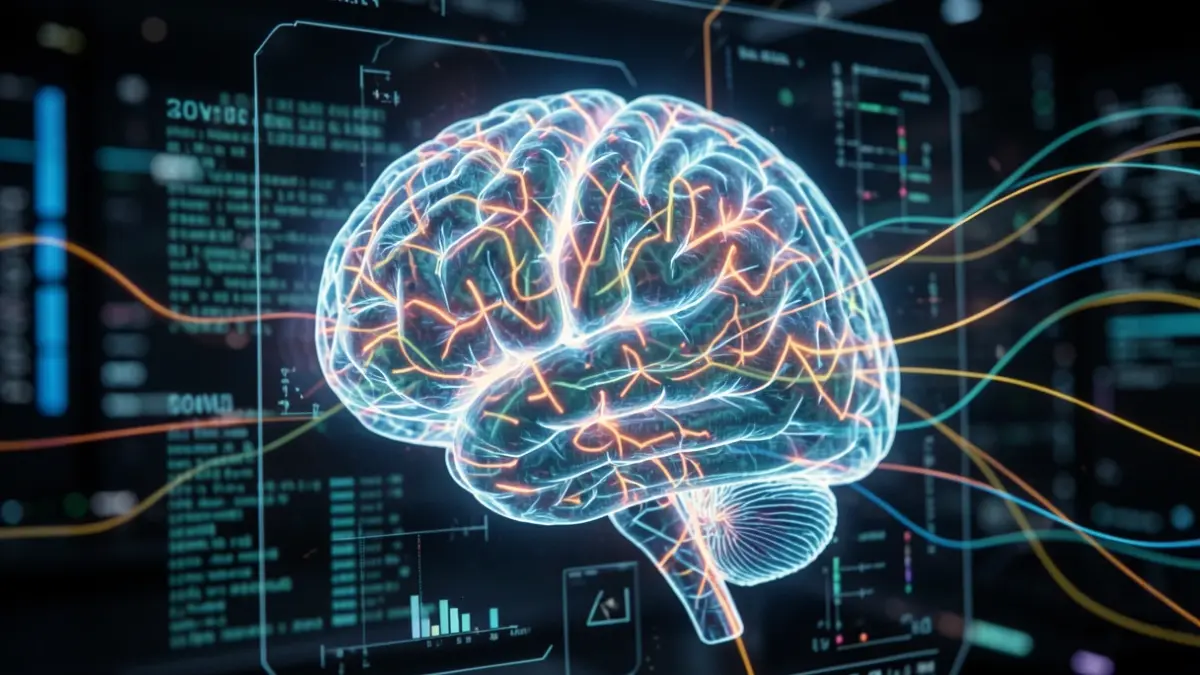
The scientific event will feature the presence of the Director General of Science and Research of the Generalitat Valenciana, Rafael Sebastián, at its inauguration. Discussions will focus on the latest advances in brain-computer interfaces, their clinical applications, and the ethical dilemmas of neurodata.
In parallel, on Monday, October 26, the director of the UMH Institute of Bioengineering, Eduardo Fernández Jover, has organized the concert 'Symphony of the Brain: From Neuronal Activity to the Score' at the Gran Teatro de Elche. The performance includes the world premiere of pieces composed from real electrophysiological recordings of the brains of volunteer participants.
Recent technological advancements in biomedicine and the development of new microelectrode systems are enabling these devices to be considered a real clinical alternative for interacting with the brain and recovering lost functions, addressing a major socio-health and economic issue.
Participating firms include the US-based Neuralink, the Chinese biotechnology company Gestala (a pioneer in non-invasive ultrasound brain-computer interfaces), and the Spanish start-up INBRAIN Neuroelectronics (a European leader in graphene-based brain implants). Representatives from healthcare centers such as Grup IMED Hospitales, Fundación Jiménez Díaz, the Hospital Clínico San Carlos, and the Hospital Universitario y Politécnico de La Fe will also attend.
Over three days, experts will discuss the development of new biomedical devices, neural stimulation, and brain-machine interfaces aimed at restoring sensory or motor functions lost due to spinal cord injuries, blindness, or disorders like epilepsy, Parkinson's, or Alzheimer's. The goal is to exchange experiences, foster interdisciplinary collaboration, and explore emerging areas such as neural engineering, brain-computer interfaces, neuroprosthetics, implantation surgical techniques, clinical translation, and the integration of artificial intelligence.
The program will also address the ethical and cybersecurity challenges of these new technologies, as well as key issues related to the legal framework, mental privacy, neurodata protection, and neuro-rights.
The 'Symphony of the Brain' concert will fuse neuroscience, classical music, and contemporary composition. It will open with pianist Ángela Alonso García performing musical pieces to which composers, such as Aleksandr Scriabin, assigned specific colors, with real-time synchronized stage lighting for a synesthetic experience. Following this, Luis Suria and Diego Corraliza, members of Project 236, will present compositions created from neural recordings, accompanied by an instrumental ensemble under the musical direction of Víctor Cano.
Attendance at the concert is free until full capacity is reached. Invitations can be collected at the box office of the Gran Teatro de Elche, the Aula Plaça de Baix, the UMH Rectorate and Social Council building, and the Vinalopó building, headquarters of the UMH Institute of Bioengineering.