The Biodiversity Foundation, part of the Ministry for Ecological Transition, has approved the final resolution for the project ‘Refluye Mi Río. Restoration of river ecosystems and strategies for flood risk mitigation’, developed by the Department of Environment of the Orihuela City Council. This resolution confirms that the project has contributed to achieving Milestone 77 bis of the Recovery, Transformation, and Resilience Plan.
The Councilor for Environment, Noelia Grao, has highlighted the importance of this news, which certifies the achievement of objectives and recognizes the work done to restore the environment of the Segura River, improve its environmental behavior, and return its riverside forests to the residents. The resolution validates the contribution of the developed actions to the objectives of the Recovery Plan.
The total cost of the project, included in the settlement, amounted to 3,752,755.26 euros, considered eligible expenditure. After applying the criteria and the 95% co-financing, the final amount to be paid to the City Council is 3,331,515.30 euros. The report from the Biodiversity Foundation does not establish any disallowed expenses or reductions for technical reasons or late delivery.
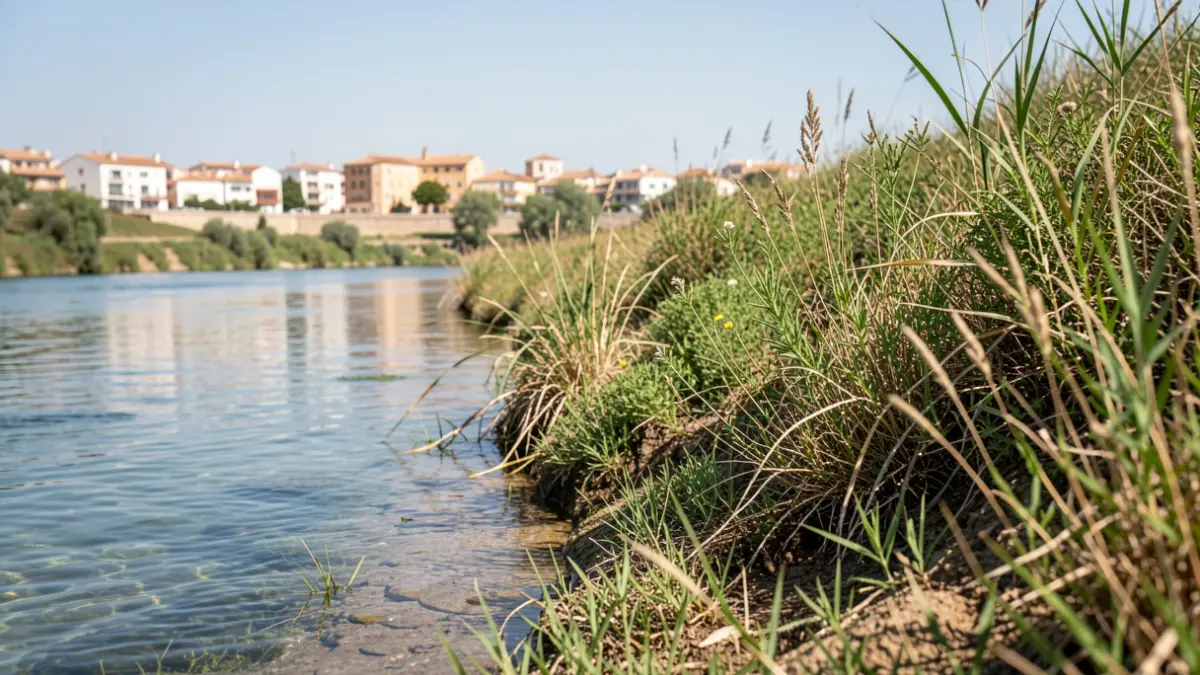
The ‘Refluye Mi Río’ project has included landscape restoration and recovery of citizen use of the Segura River in the sotos (riverside forests) of Las Norias, Molino de la Ciudad, La Campaneta, and Soto del Reguerón, as well as along the Ribera del Río. The objective has been to revitalize the river, strengthen its connection with the municipality, and improve its resilience to adverse weather events through nature-based solutions.
The interventions have focused on recovering native riverside vegetation, controlling invasive species like reeds, and improving river resilience. The councilor emphasized the goal of restoring Orihuela's historical relationship with its river, transforming the sotos into accessible spaces linked to the community, viewing the river as an essential green infrastructure.
The resolution also confirms that the project has contributed to the European objective of river monitoring and restoration, integrated into Component 5 of the Recovery Plan. The project was supported by the Biodiversity Foundation, within the framework of the Recovery Plan, financed by the European Union through NextGenerationEU funds.
Noelia Grao thanked the work of the technicians and municipal departments involved in this strategic project for Orihuela's environmental future. She recalled the importance of citizen collaboration for the conservation of the restored areas, urging respect for native flora and fauna and the avoidance of waste abandonment.