
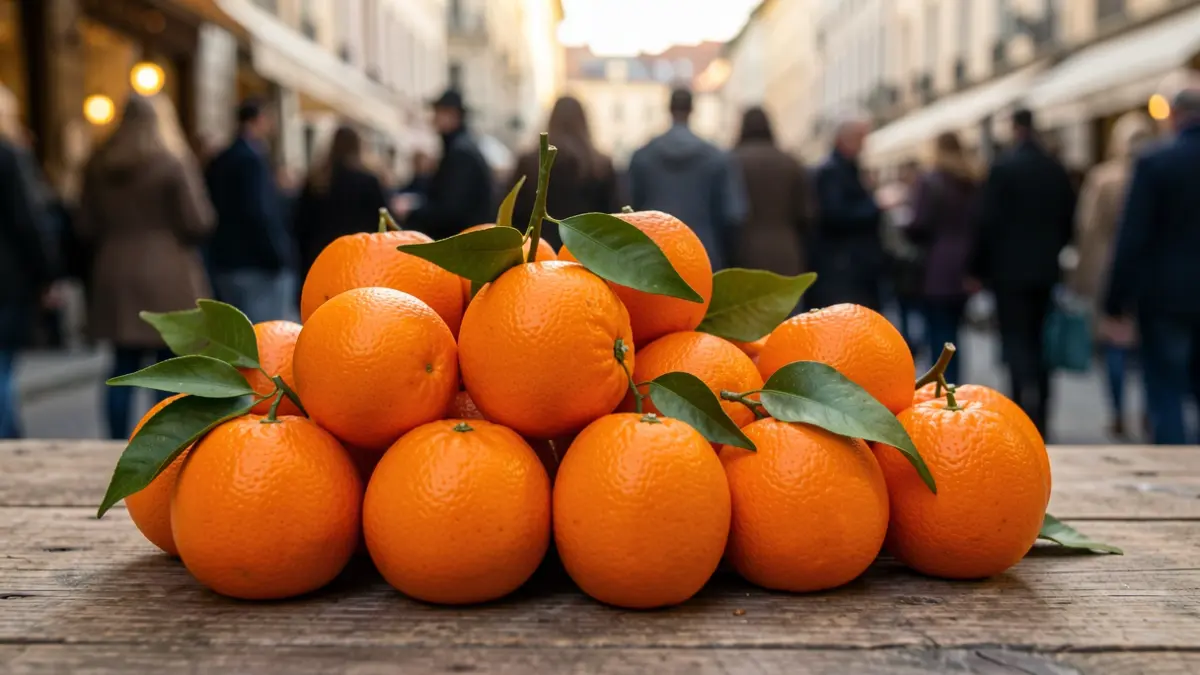
The citrus campaign in Castellón faces growing concern due to the increase in imports of oranges and mandarins from third countries, particularly from South Africa. According to data from the Department of Customs and Special Taxes, Spain received 43% more oranges in the first half of the year.
In contrast, national orange exports have seen a 11.2% decrease in volume, reaching 790,297 tons, and an 8.1% drop in value, to 774 million euros. Mandarins also experienced a 6.6% decline in volume, although their value remained stable.
Globally, Spanish fresh fruit and vegetable exports amounted to 6.6 million tons in the first half of 2026, a 0.6% decrease from the previous year, with a value increase of 5.8%, reaching 11,605 million euros. Vegetable exports totaled 3.156 million tons (-1.6%), while national fruit transactions grew by 0.4% in volume, to 3.443 million tons.
These figures coincide with a local citrus campaign marked by a production drop, attributed to external competition, pests, climate events, and a lack of crop renewal. Imports of third-country citrus into the European Union have exponentially gained market share, rising from 15% to 36.9% in ten years.
In Castellón, concern centers on the rise of small citrus fruits, which directly compete with the local 'clemenules' variety. Imports of these citrus fruits from outside Europe have grown by 28.9% in the last campaign, exceeding 614,000 tons.
Agricultural organizations like La Unió Llauradora are calling on the European Commission to apply the safeguard mechanism provided for in the free trade agreement with South Africa to curb pressure on local producers, following a 117% increase in small citrus imports over five years.