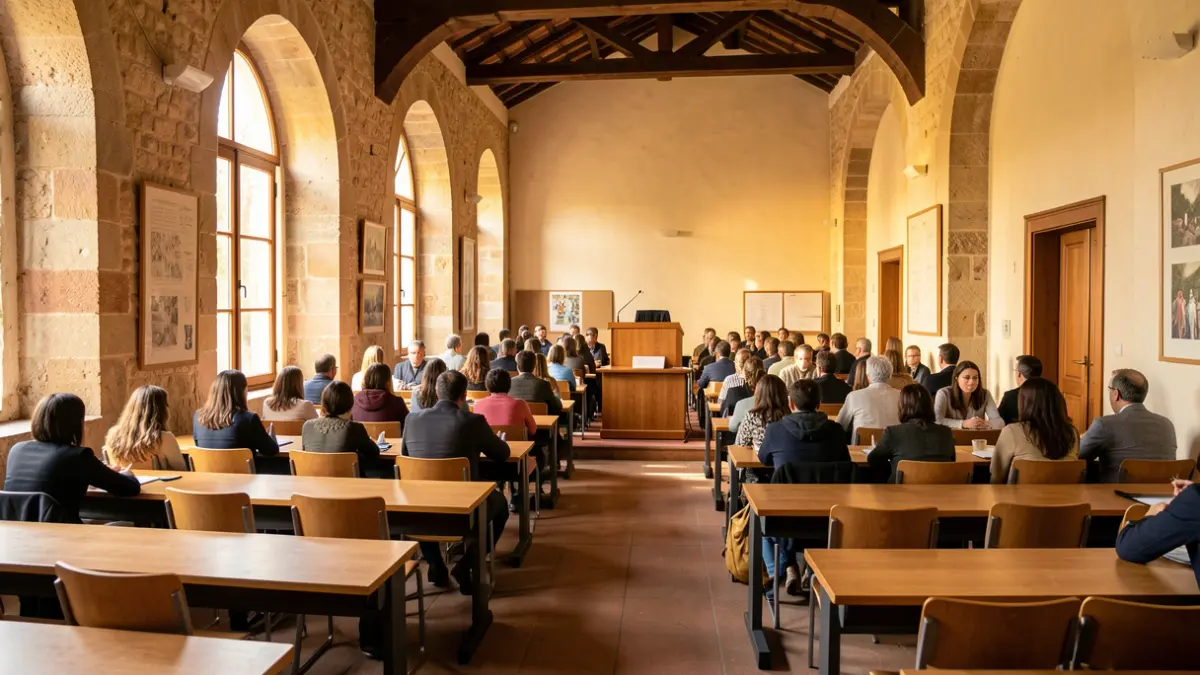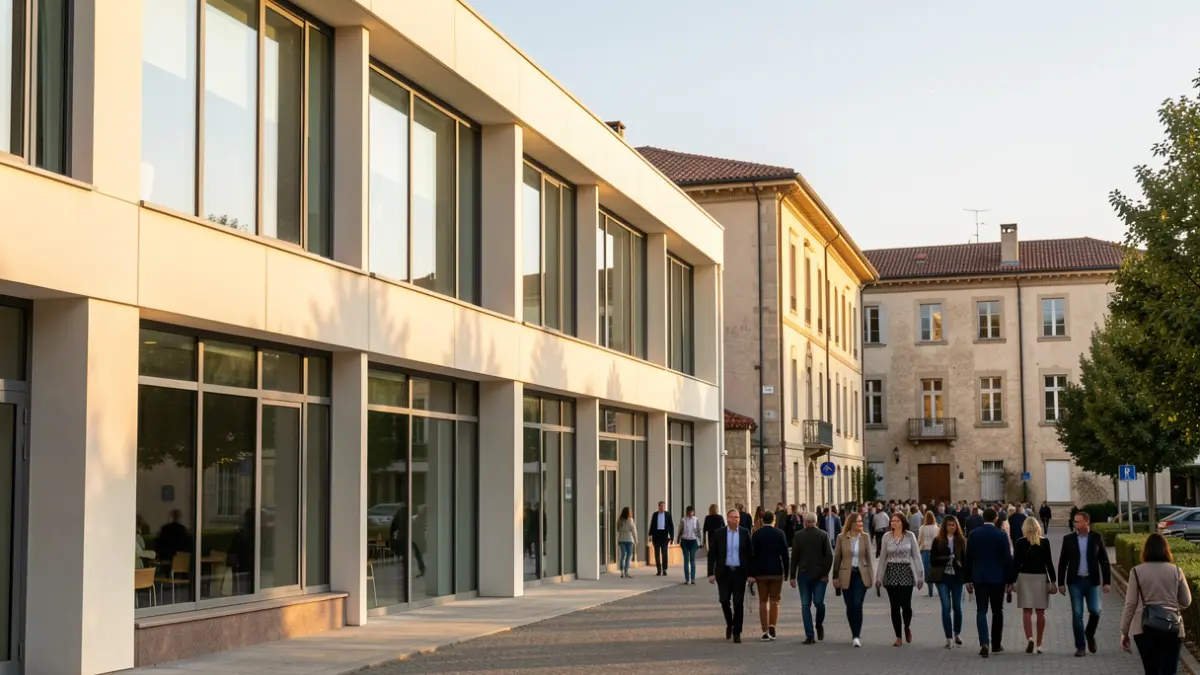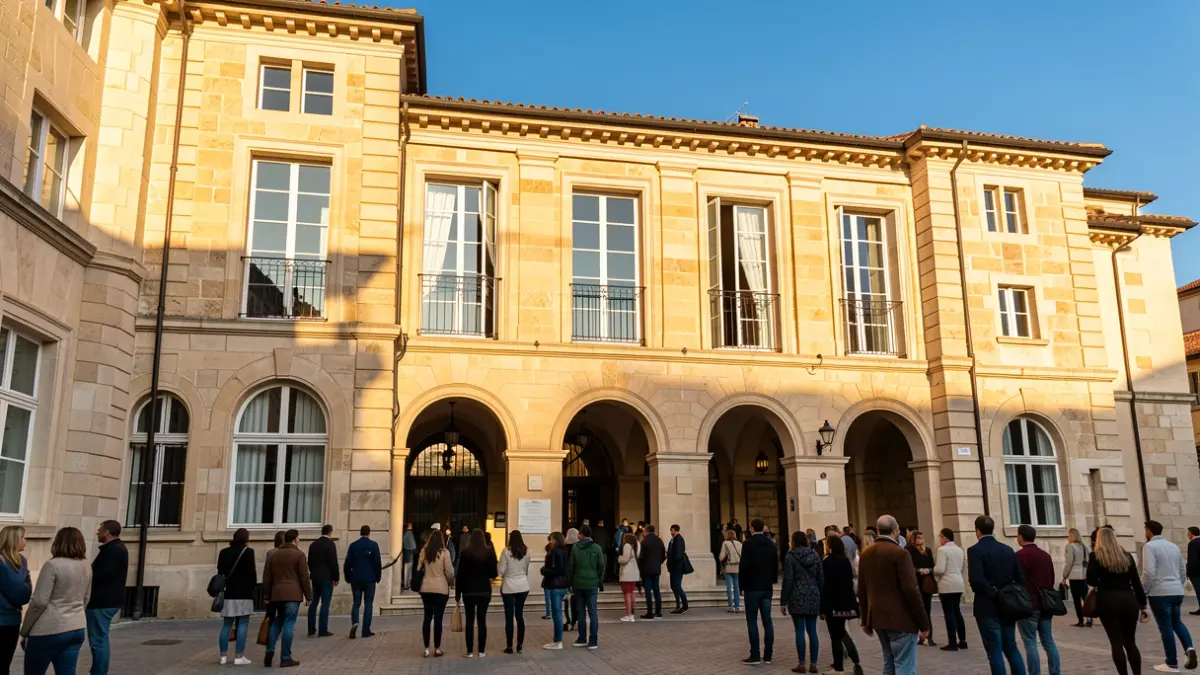
Utiel's historical and cultural heritage is advancing towards innovation with the launch of the tourist initiative “El Patrimonio de Utiel te habla” (Utiel's Heritage Speaks). The official presentation took place at the emblematic Casa Almazón, where details of the project were unveiled. It is designed to bring the municipality's cultural richness closer to both visitors and residents in an engaging and interactive way.
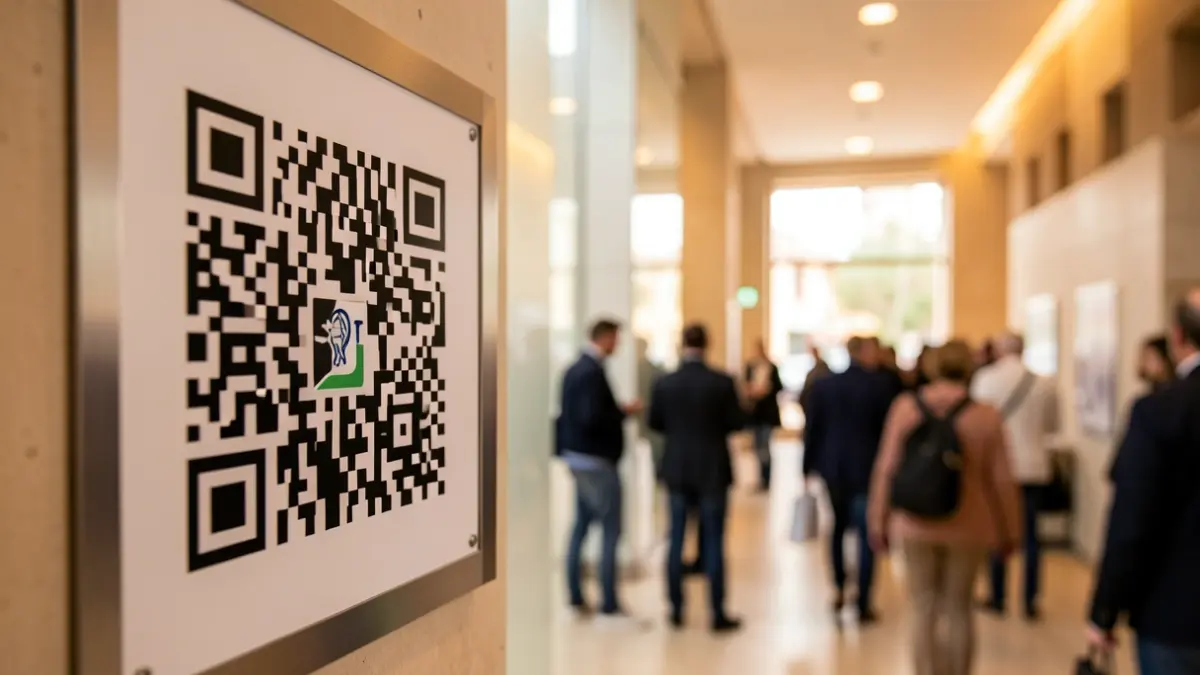
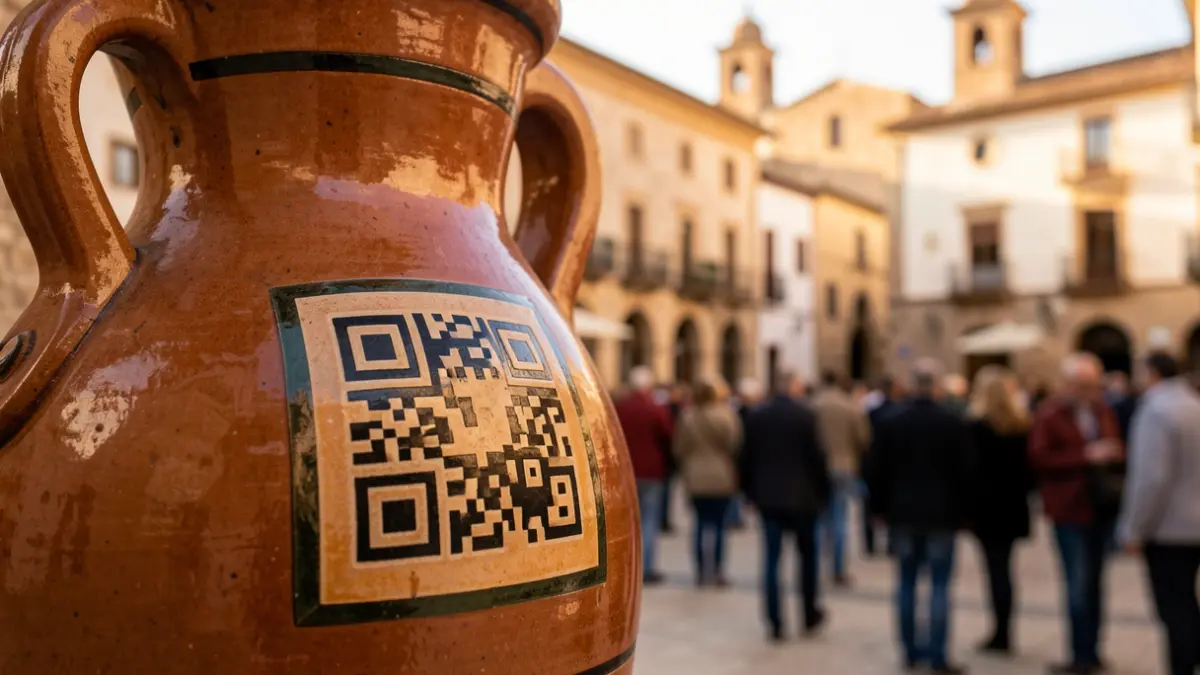
The main novelty of the project lies in its accessibility and architectural integration. The system operates via QR codes strategically placed on the facades of historic buildings and monuments. These codes are aesthetically integrated onto reproductions of amphora openings and illustrations by Manuela Navarro, a key element of Utiel's winemaking tradition.
Thanks to this digital format, anyone can interact with the monument at any time via their mobile device, 24 hours a day, 7 days a week, regardless of whether the tourist resource is open or closed to the public.
Upon scanning a QR code, users access an intuitive platform offering two adapted audio experiences: a version for adults with a detailed narration on the history, architectural value, context, and curiosities of the site, and a version for children, which is educational and engaging, designed to capture the attention of younger audiences and promote family tourism.
Behind this proposal are the vision and drive of three Utiel residents: Manuela Navarro, Inma Hernández, and María Dolores Hernández. The human element is the true driving force of the initiative, as the project has benefited from the altruistic collaboration of Utiel's residents and children, who have voluntarily lent their voices to bring the stories to life and narrate their town's history in the first person.
With this project, Utiel positions the dissemination of its historical legacy at the forefront of new technologies, making it more accessible, sustainable, and alive than ever before.