
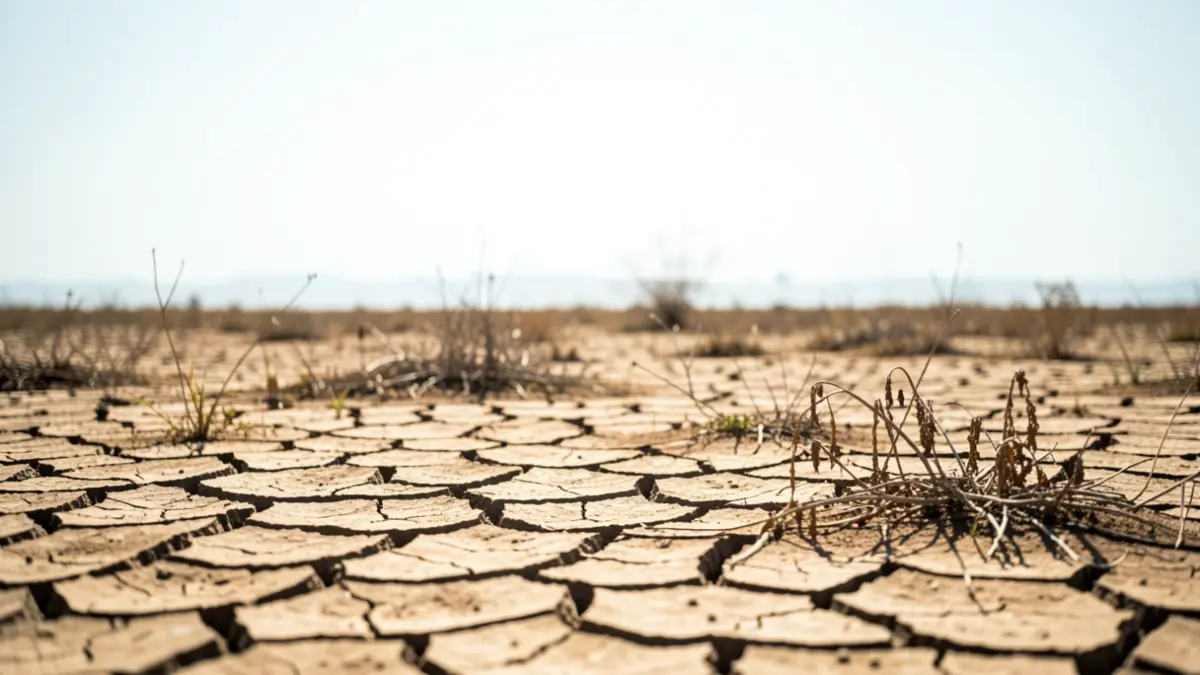
According to the latest updates from the State Meteorological Agency (Aemet) and advisories from the Generalitat's Coordination Center for Emergencies (GVA 112), the high temperature episode will not be brief, as atmospheric stability and strong insolation will prolong this situation for the coming days.
The meteorological forecast points to a heat peak that will consolidate across the region, affecting both inland areas and the coastal strip. Inland and pre-coastal areas will experience the most extreme highs, nearing 40°C continuously, while along the coast, the thermal sensation will be very high due to humidity, causing a suffocating environment day and night.
Nighttime temperatures will be particularly uncomfortable, with lows barely dropping below 20°C (tropical nights) and potentially exceeding 25°C (equatorial nights) on the coast, leading to accumulated thermal stress.
In response, GVA 112 has warned that the Fire Prevention Level will remain at extreme or high risk across almost the entire Valencian Community. The danger increases as the week progresses due to the loss of moisture in the soil and vegetation. Authorities remind the public that agricultural burns and the use of fire near forest masses are prohibited, and urge immediate reporting of any smoke column to 112.
Health authorities emphasize the importance of remaining vigilant due to the cumulative effects of heat. It is recommended to plan activities avoiding peak sun hours (12:00-17:00), keep homes cool by closing blinds during the day and ventilating in the early morning, and pay special attention to the elderly, homebound individuals, or young children, ensuring constant hydration.