The Bajada del Santísimo Cristo del Monte Calvario of Genovés has been declared an Intangible Asset of Local Relevance by the Generalitat Valenciana. This recognition consecrates one of the most representative religious and cultural traditions of the municipality in the Costera region, with a history dating back to the 18th century.
The resolution, published in the Official Gazette of the Generalitat Valenciana, incorporates the celebration into the General Inventory of Valencian Cultural Heritage. It highlights the value of a tradition passed down through generations, uniting the community around the same image and route.
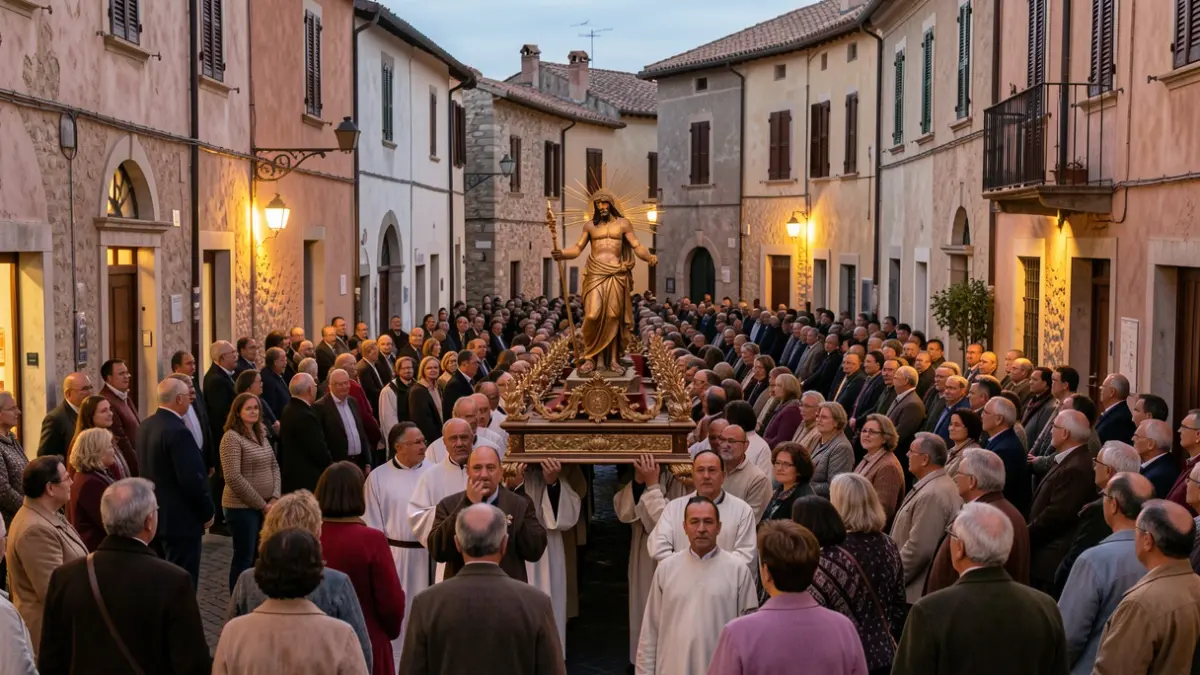
The procession, held every August 6th during the patron saint festivities, begins at the Calvario hermitage and accompanies the image to the parish of Nuestra Señora de los Dolores. This event serves not only a religious purpose but also as a meeting point for residents and those with family ties to the municipality.
The Generalitat emphasizes the uniqueness of this tradition within Valencian festive heritage, as such celebrations are preserved in only a few locations. The declaration includes measures for documentation, research, conservation, and protection of its traditional values, as well as for transmitting knowledge to future generations.
Management of the asset will fall to the Ayuntamiento de Genovés, the parish of Nuestra Señora de los Dolores, the Cofradía de los Portadores del Cristo, and the festival organizers. Any substantial modifications will require prior authorization from the general directorate for cultural heritage. The need to manage potential risks from mass tourism is also noted.