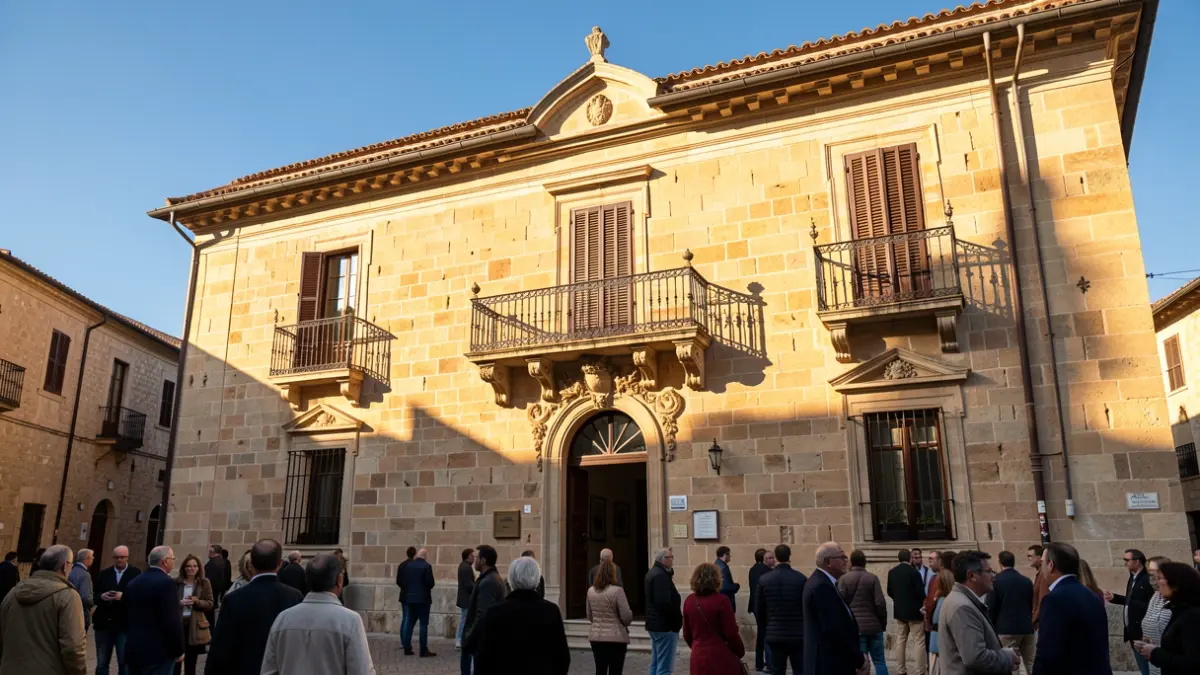
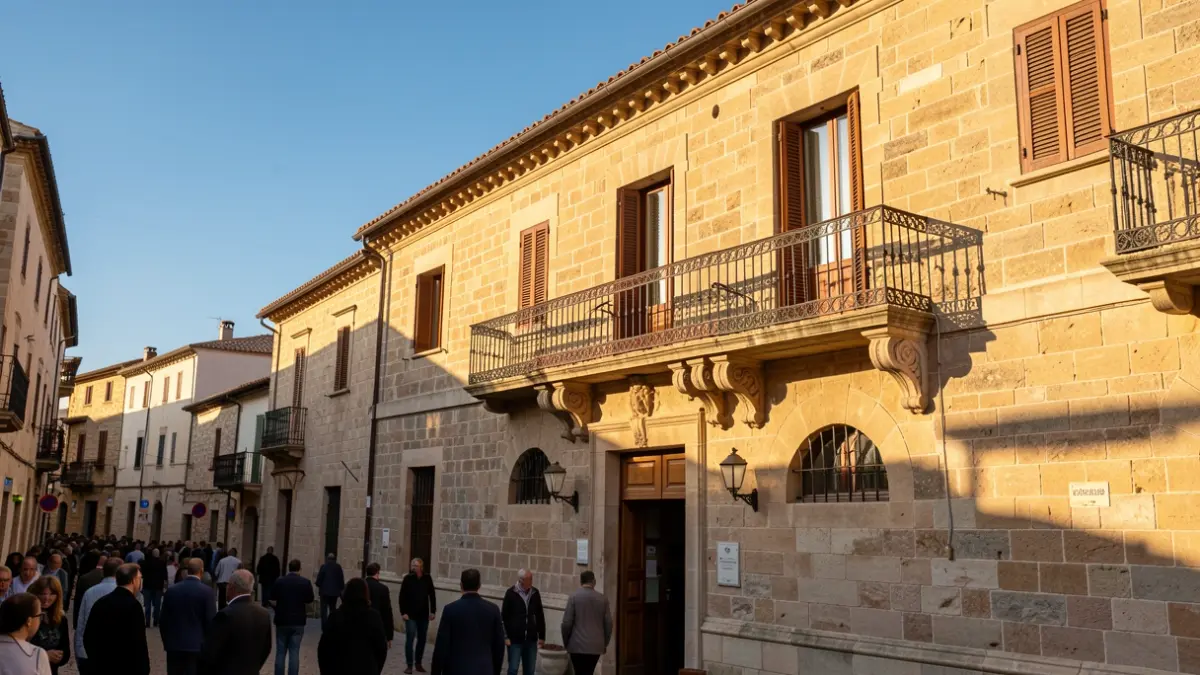
The municipality of Quart de Poblet has successfully completed the European project "Quart, Horitzó Climàtic" (QCATI), a key initiative to equip the town with better response tools against extreme climate phenomena, such as river floods, torrential rains, and severe heatwaves. The closing event brought together citizens, technical staff, and institutional representatives to present the results of the climate risk assessment and the future strategy to make the municipality a more resilient territory.
The mayor of Quart de Poblet, Cristina Mora, highlighted the importance of Europe's integration into the municipality's strategic policies, noting that "European funding allows for the development of innovative projects" and sharing a common vision to build "more sustainable, resilient municipalities prepared for future challenges." For her part, the Councilor for European Projects, Encarna Folgado, thanked citizen participation and stressed the need for "knowledge and anticipation capacity" in the face of the reality of heatwaves and torrential rains affecting the region.
The Limne Foundation shared its experience, emphasizing the value of protecting the river environment and local biodiversity as a fundamental part of integral resilience, in line with previous initiatives such as the NaTURTURia Project. The Valencian consultancy Sequoia Pro coordinated the project, facilitating administrative integration, participatory processes, and the transfer of scientific evidence to public planning.
The QCATI project, funded by the Horizon Europe program through CLIMAAX, has been structured into three phases between May 2025 and July 2026. The first included a preliminary assessment of river flood and heatwave risks using European methodology. The second phase refined the analysis of risks and vulnerable groups, such as the elderly and children under 5 years old. The third phase defined the future Local Climate Risk Management Strategy and a catalog of priority adaptation measures.
A participatory process involving 168 residents revealed high awareness: 88% are more concerned about climate change than five years ago, and 70% believe the municipality should strengthen its preparedness. Consequently, a catalog of concrete measures has been developed, including Nature-Based Solutions (NBS), green infrastructure, drainage and water prevention, as well as social and energy resilience. The project also included an educational component with digital information pills and social media campaigns, available at [www.quartclimaax.eu](http://www.quartclimaax.eu).