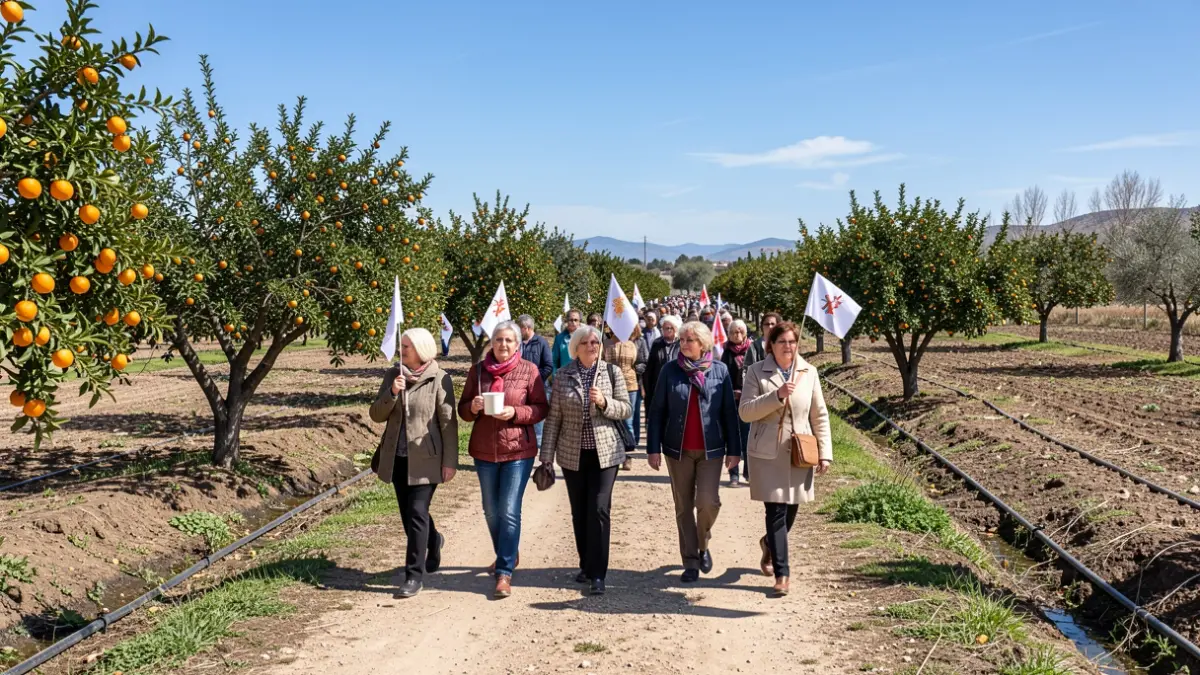
The march recreated the routes that the factory workers took daily from the surrounding towns to Foios. The initiative was jointly promoted by the city councils of Foios, Montcada, Alfara del Patriarca, Bonrepòs i Mirambell, Vinalesa, and Almàssera, the Mancomunitat del Carraixet, and numerous feminist, neighborhood, and cultural groups. The proposal originated from Laura Yustas and Nelo Vilar, heads of the cultural project Foiospèdia (Etnigrama).
The event began with two march routes: one from Massarrojos passing through Montcada, Alfara del Patriarca, and Vinalesa, and another from Almàssera and Bonrepòs i Mirambell, which converged in Foios. The 5.5 km route, now paved, allowed participants to retrace the rural paths, irrigation ditches, and fields that the workers saw, while discovering the new signage with informative panels.
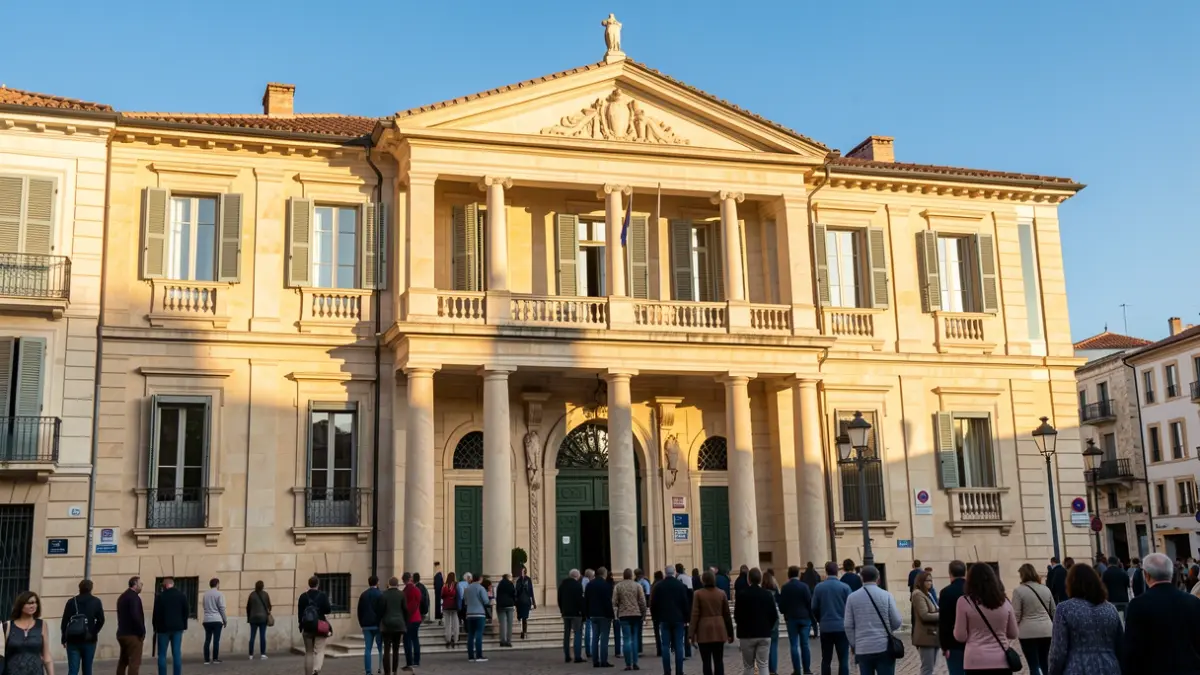
Once the march concluded, the tribute ceremony took place at the Foios House of Culture, attended by the mayor of Foios, Sergi Ruiz, the mayor of Montcada, Álvaro Gonzalvo, the Equality Councilor of Foios, Juanan Pacha, and the Equality Councilor of Montcada, Feli Bondia, among other representatives. Lluïsa Carceller and Maria Josep Aguilar presented their research on the history of the Jutera factory.
Also present were the official chronicler of Foios, Daniel Corell, author of the book published for the factory's centenary, and the initiative's promoters, Nelo Vilar and Laura Yustas. The screening of a commemorative video, featuring the voices of women no longer present and others nearing 90 years old, was one of the most emotional moments.
Additionally, copies of the book by official chronicler Daniel Corell, created for the Jutera's centenary, were distributed. The Foios City Council expressed gratitude to Foiospèdia, the Associació Dones de Foios, the Col·lectiu de Dones Feministes de Montcada, and all collaborating entities.