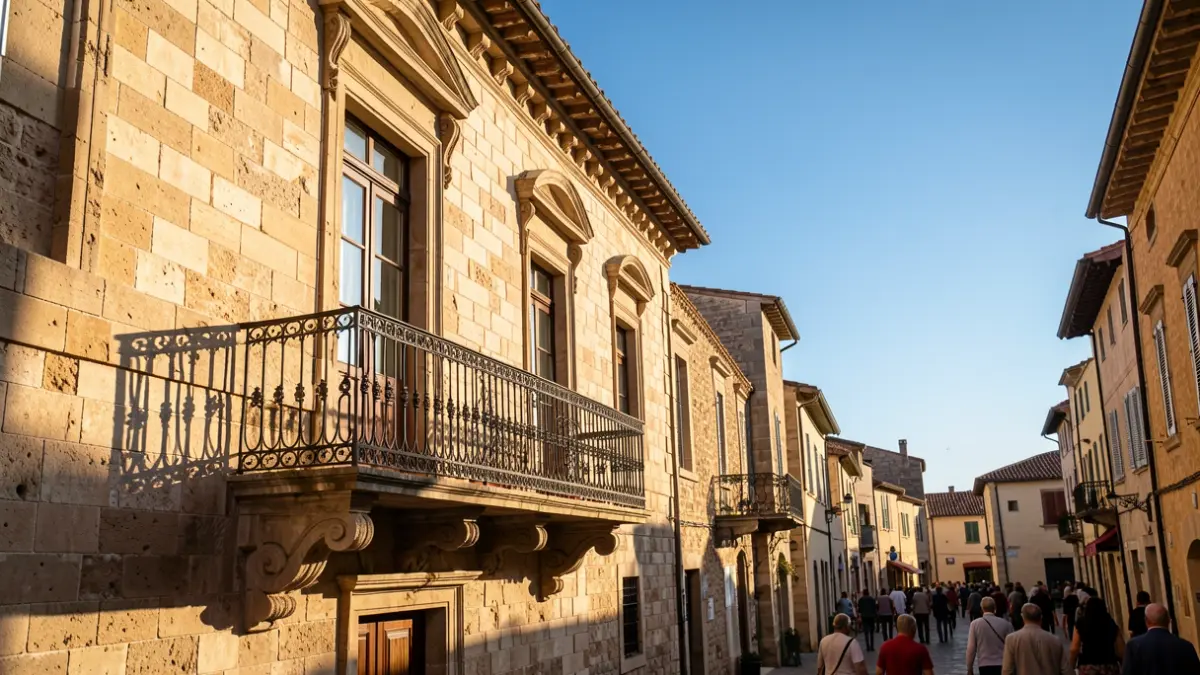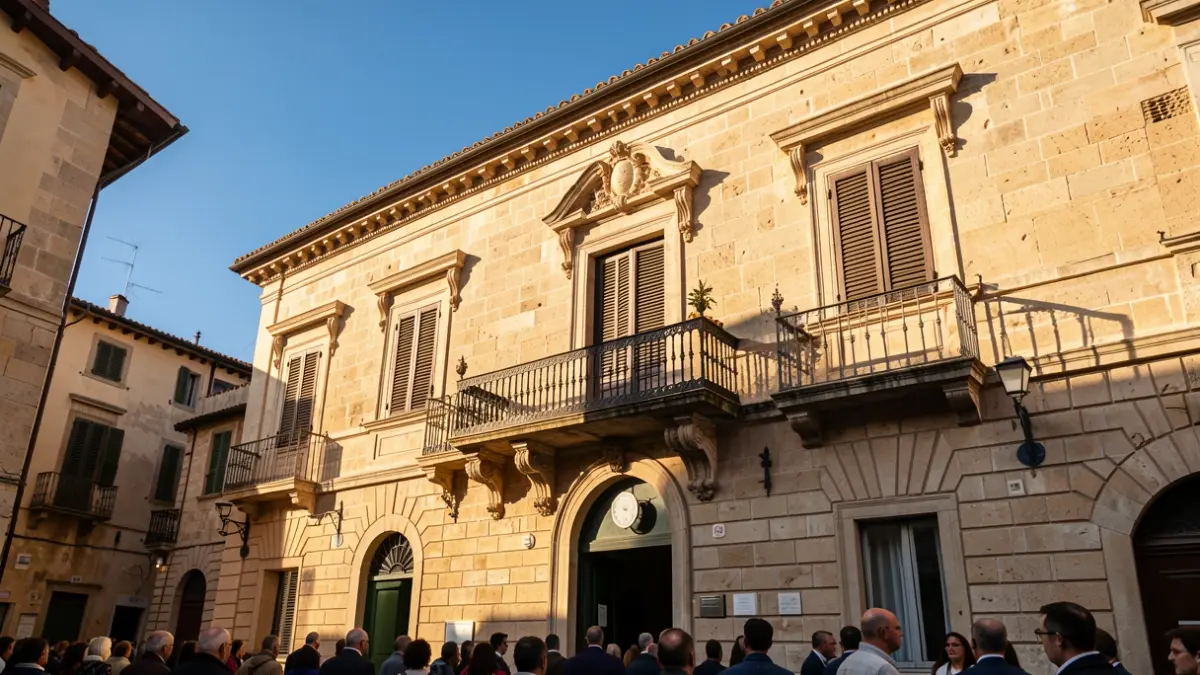

Valencia's candidacy focuses on a new understanding of the relationship between city and innovation: the right to use the city as a real space for innovation. This vision turns streets, public spaces, infrastructure, municipal services, and the urban ecosystem into an environment for experimentation and learning.
'Being finalists for European Capital of Innovation 2027 is a recognition of the work Valencia is doing to make innovation a city policy and, above all, a tool at the service of people,' stated Paula Llobet, Innovation Councilor of Valencia City Council. Llobet added that the candidacy is based on the idea of facilitating the city so that companies, universities, entrepreneurs, and citizens can innovate in real life, not just in laboratories.
The jury will evaluate the candidacies based on six criteria: experimentation (the city's capacity as a testbed), ecosystem building (collaboration between administrations, companies, startups, universities, civil society, and citizens), governance and facilitation of the innovation ecosystem, expansion (knowledge transfer and replication of solutions), innovative city vision (long-term strategy linked to green and digital transitions), and citizens' rights (using innovation to strengthen democracy, inclusion, social cohesion, and equality).
A key element of the candidacy is the Valencia Urban Sandbox, a model that offers the entire city as an urban laboratory to test solutions under real conditions. More than 150 urban resources are already pre-authorized to expedite the launch of pilot projects. In less than two years, over 80 innovation projects have participated in the Sandbox, with more than 50 having accessed this experimentation environment, and half of the completed projects reaching the market.
'The Sandbox represents opening Valencia to experiment, learn, and turn good ideas into solutions that can reach people,' explained Llobet. The candidacy also highlights Valencia's ability to connect innovation, investment, talent, knowledge, and public administration, with an ecosystem comprising startups, companies, universities, technology centers, and investors, supported by municipal instruments for funding, acceleration, and innovative public procurement.
The city is participating in over 35 European projects since 2023, mobilizing more than 226 million euros in total budget and attracting over 38 million euros to the Valencian region. Valencia also shares its Urban Sandbox model with other cities to facilitate its adaptation and expand the impact of the knowledge generated.
'We want Valencia not only to be a city where innovative things happen, but a city that helps other cities to innovate,' stated Llobet, emphasizing that being finalists allows sharing this vision with Europe and demonstrating that urban innovation can become a permanent capacity of cities.
Valencia's proposal advocates for the right of companies, startups, universities, and innovative organizations to use urban resources for innovation, understanding innovation as a public and shared capacity. The candidacy is supported by Valencia's innovation ecosystem, including institutions such as València Innovation Capital, Invest in Valencia, Startup Valencia, the University of Valencia, the Polytechnic University of Valencia, among others.