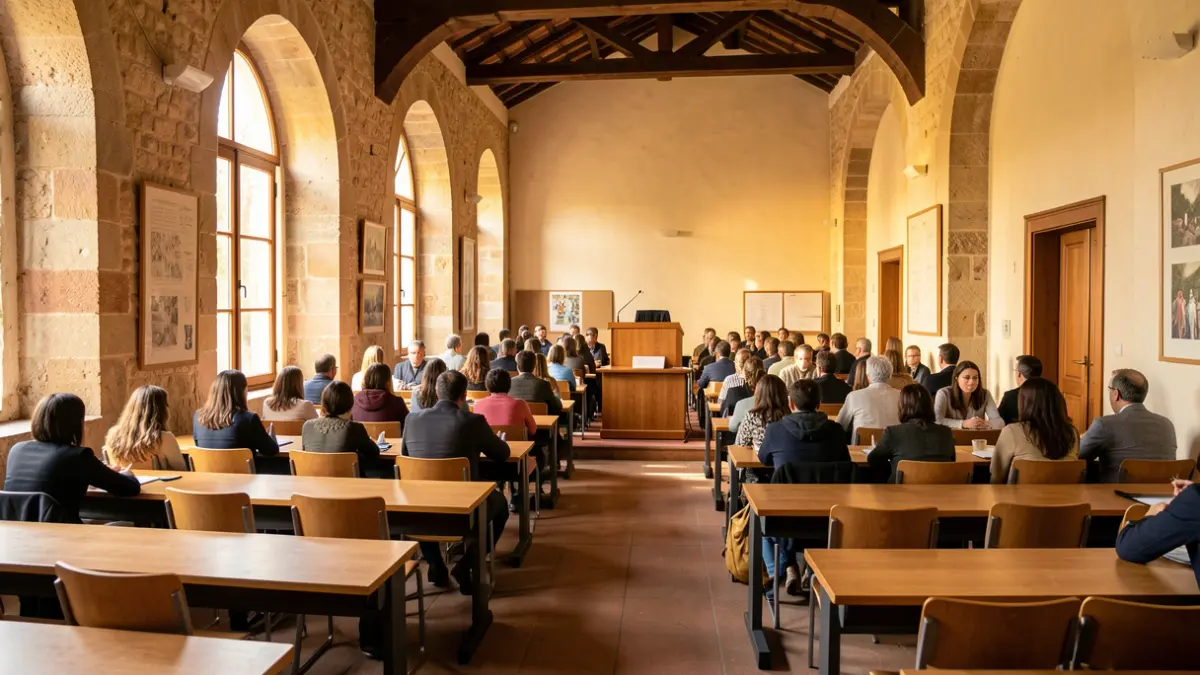
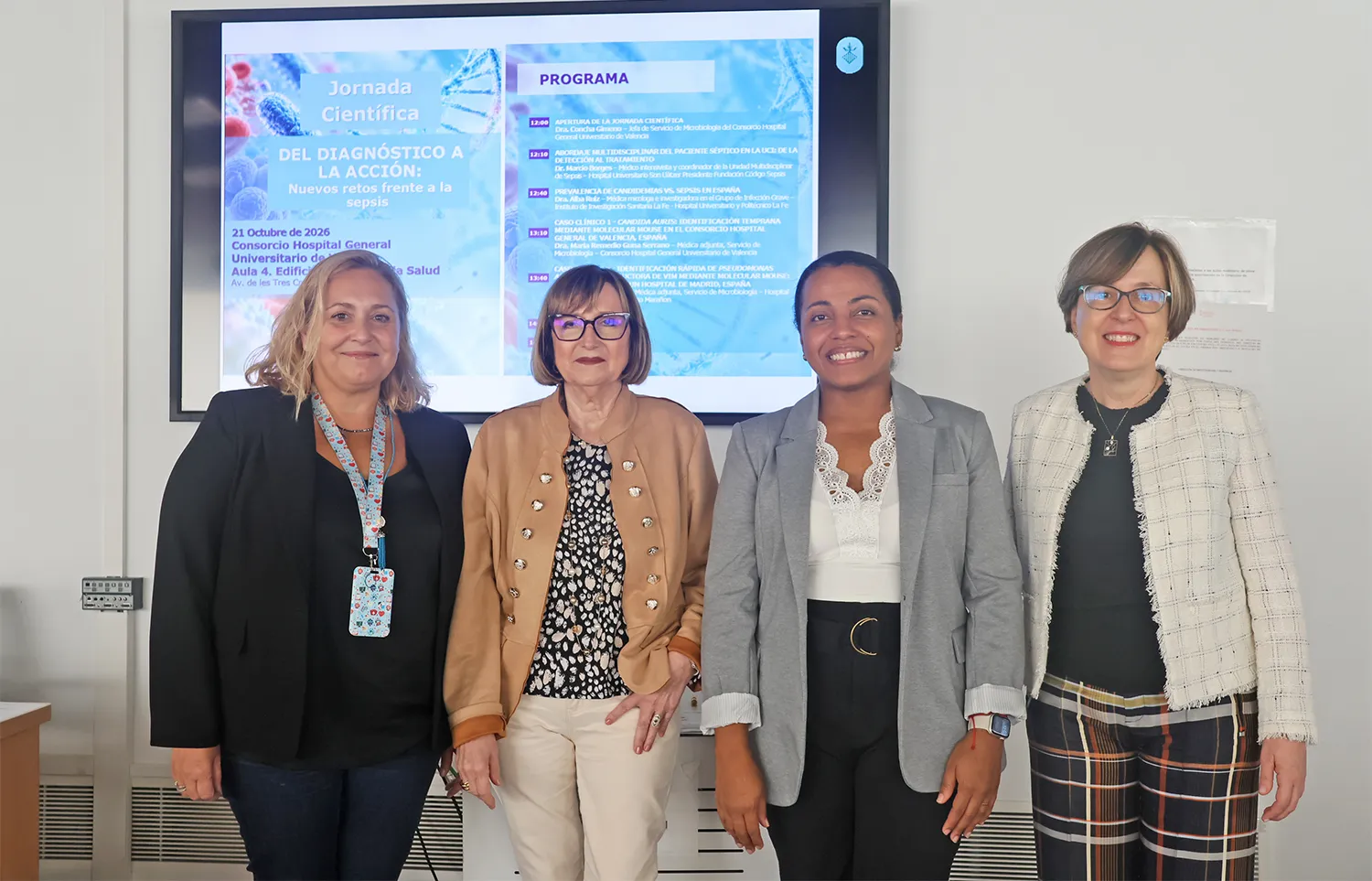
The session, organized by the Microbiology service, served to exchange experiences and debate the application of new diagnostic and therapeutic approaches in clinical practice, using real cases.
Concepción Gimeno, head of the Microbiology service, highlighted the importance of rapid and precise microbiological diagnosis for implementing targeted treatments in severe infections like sepsis. Meanwhile, María del Remedio Guna, an attending physician in the same service, recalled that sepsis remains a major healthcare challenge due to its high morbidity and mortality, and the need for adequate treatment within the first few hours.
The scientific program analyzed key aspects of the diagnosis and management of severe infections associated with septic patients, emphasizing the importance of collaboration among intensivists, microbiologists, infectologists, and other healthcare professionals.
In the presentation on candidiasis, Alba Ruiz, a mycologist and researcher from La Fe Hospital, discussed the current situation and prevalence of these infections in Spain, focusing on Candidozyma auris.
In the real clinical case block, María del Remedio Guna shared the General de Valencia's experience in the early identification of Candidozyma auris using Molecular Mouse diagnostic technology. Almudena Burillo, from Madrid's Gregorio Marañón Hospital, presented the rapid identification of VIM-producing Pseudomonas aeruginosa.
The organizers positively assessed the conference, considering the discussion of real clinical cases a fundamental tool for translating scientific knowledge into daily healthcare practice and that the exchange of experiences between centers improves care for septic patients.