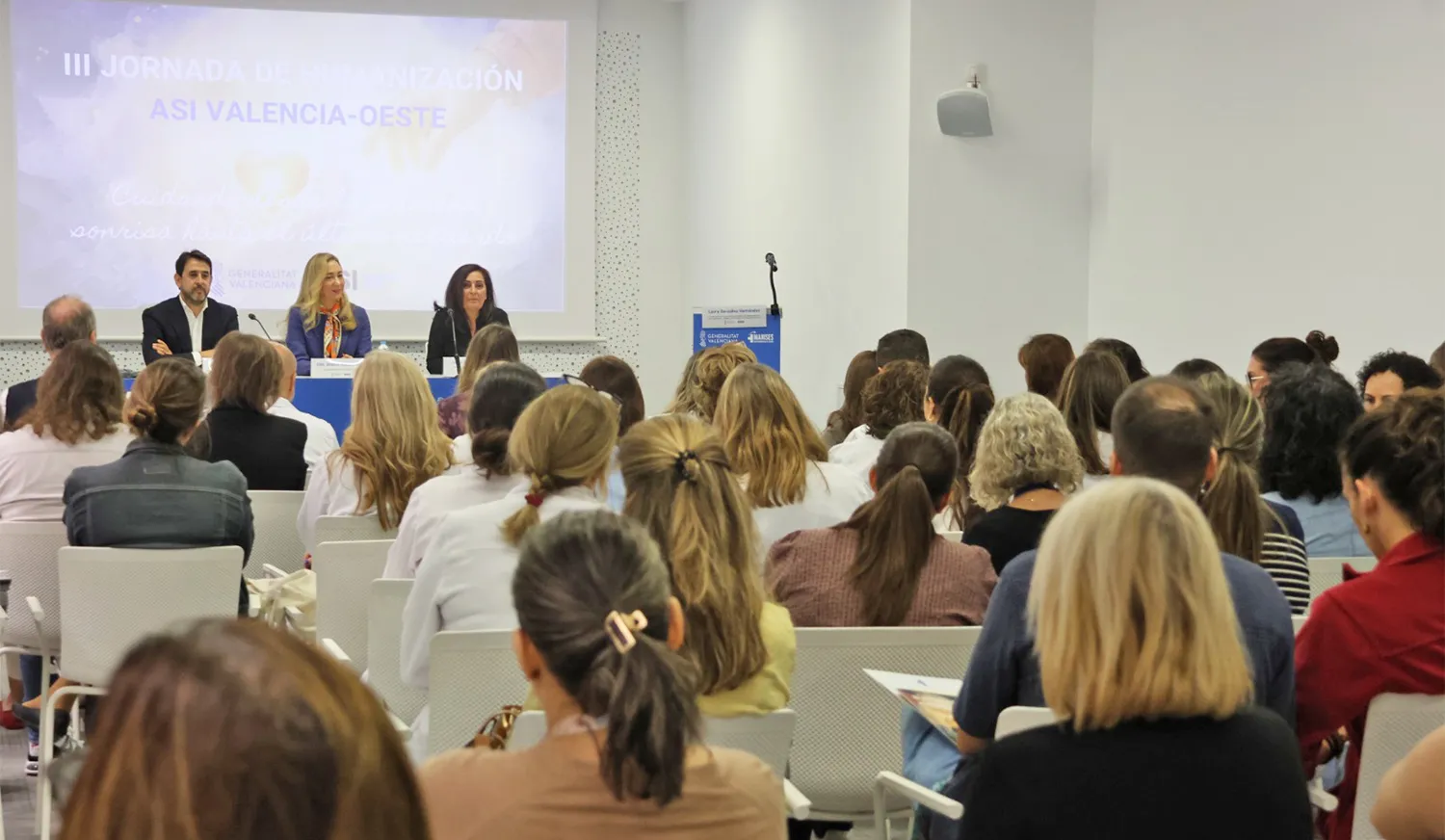
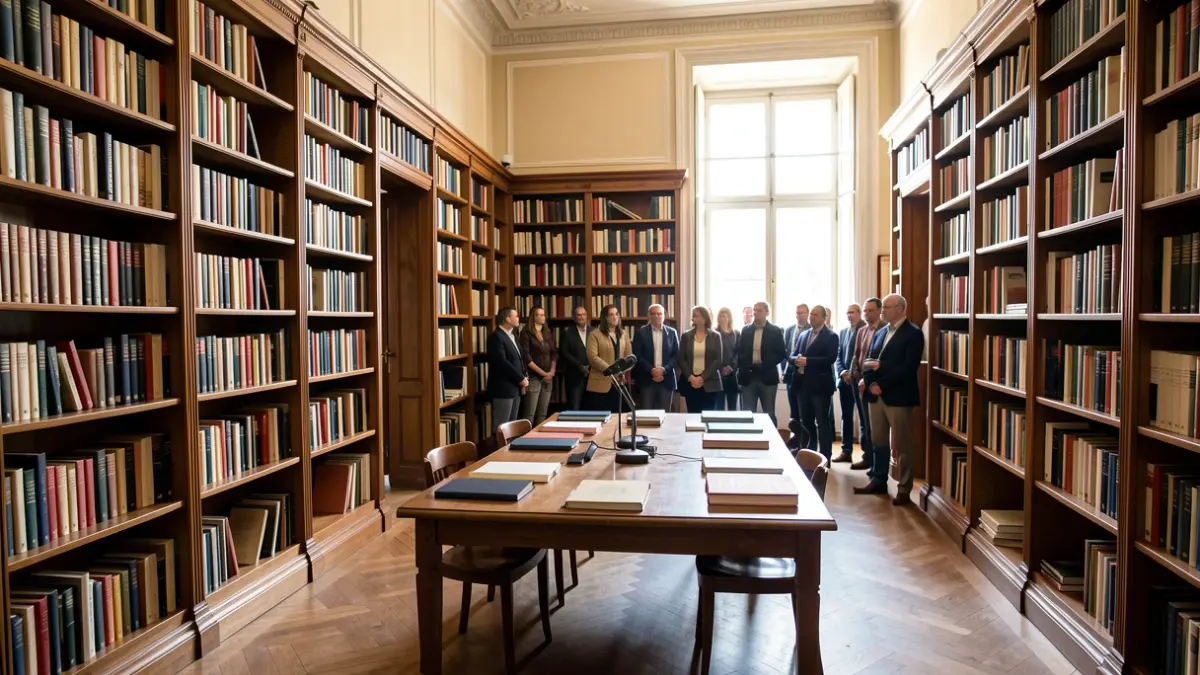
The event, held at the CVC headquarters, was opened by the institution's president, who welcomed attendees, particularly the author, José Hinojosa, and Manuel Muñoz, president of the Royal Academy of Fine Arts of San Carlos and former Council member (1998-2004), who was tasked with introducing the author and engaging in a discussion with him.
José María Lozano, president of the CVC, reiterated his commitment to promoting the institution's editorial policy and consolidating its main collections. Meanwhile, Jesús Huguet, secretary of the CVC, reviewed the history of the collections, highlighting the Serie Maior, where Hinojosa had previously published Judíos y Juderías en el Reino de Valencia in 2011.
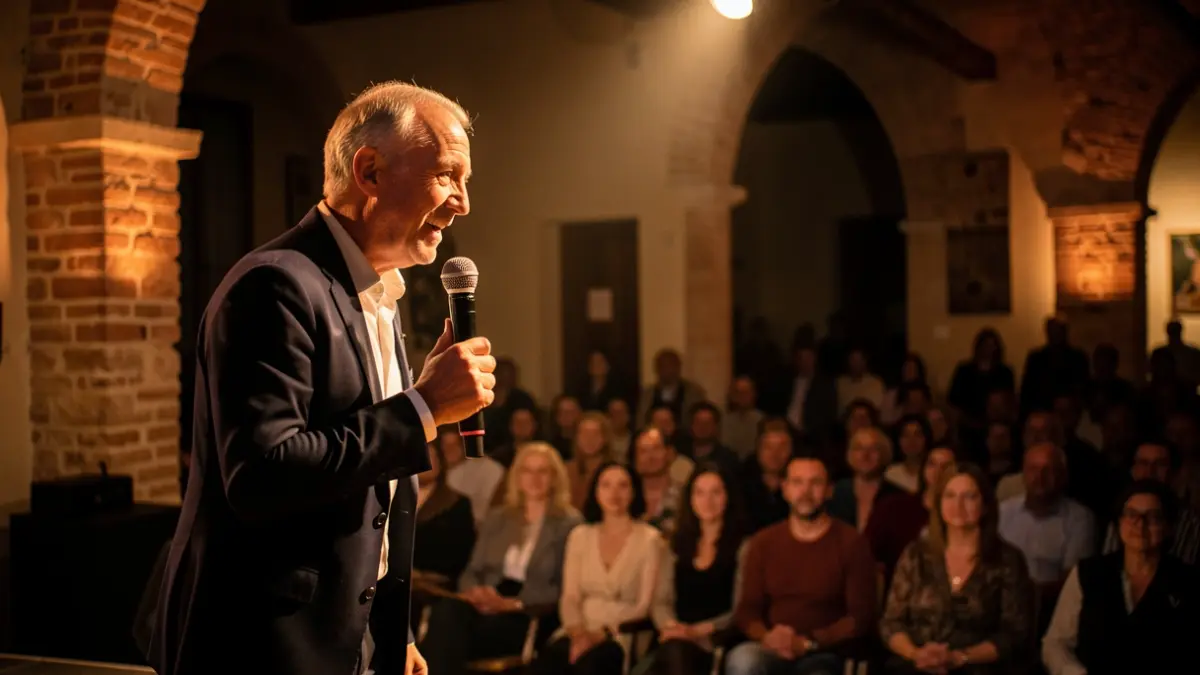
The author, José Hinojosa, a professor of Medieval History at the University of Alicante, explained that the book aims to address the situation of the Mudéjars throughout the Valencian geography, complementing his previous work. He described life within the Moorish quarters, characterized by a relative coexistence based on personal and economic relationships in agriculture, craftsmanship, and trade.
Manuel Muñoz praised the quality of Hinojosa's work, calling it impeccable in its synthesis and style, scientifically rigorous yet also engaging and easy to read. He emphasized that the book explores the culture and life of the Andalusian world over the centuries, from the medieval Christian conquests to their definitive eradication between the 16th and 17th centuries.
Finally, Hinojosa pointed out that the collective effort of the common man, particularly the labor force of Muslim culture, formed the basis of Valencia's 15th-century splendor, both economically and commercially.