This action, promoted by the Tourism Service, aims to bring the history of the Holy Chalice closer to citizens and visitors. The project seeks to strengthen the dissemination of one of the most unique elements of the Valencian spiritual and cultural heritage, while diversifying the local tourism offer.
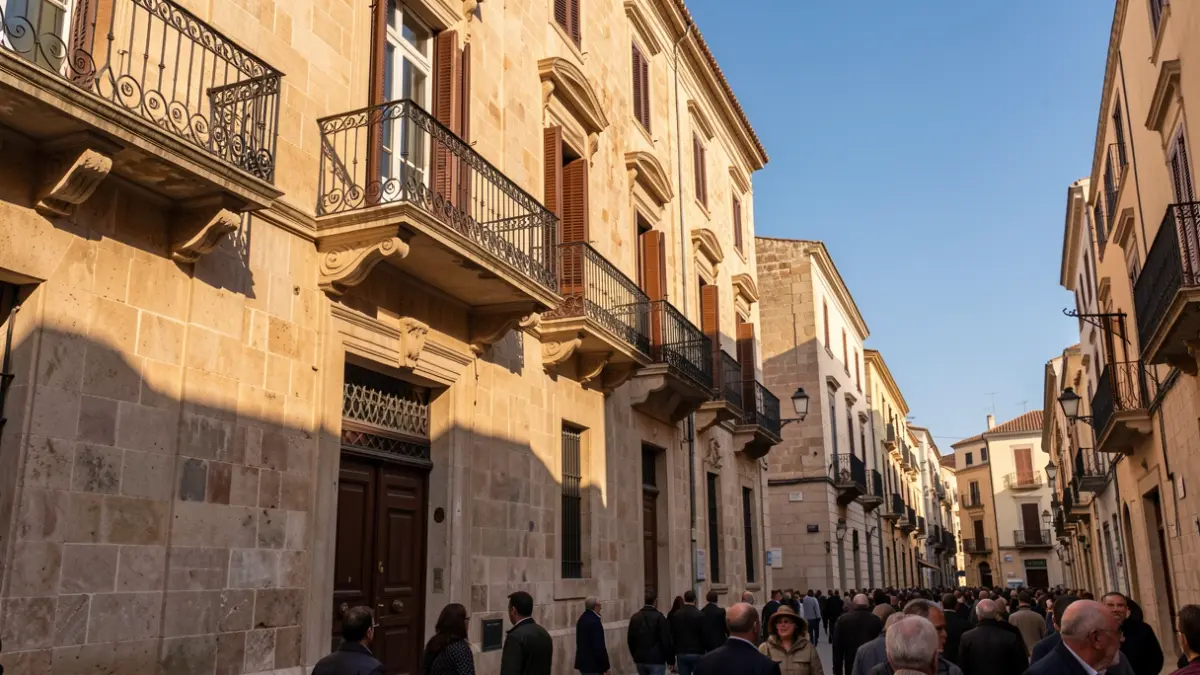
The route features an initial monolith located near the Casa del Rellotger, on Carrer dels Brodadors, and ten information stands distributed at key points. Among these sites are the Reial Monestir de la Trinitat, the Museu de Belles Arts, the Jardins del Real, the Llotja de la Seda, the Torres dels Serrans, and the Valencia Cathedral, among others.
The information elements are available in Valencian, Spanish, and English, and include QR codes to facilitate access to information. This initiative is part of the Valencia Tourism Sustainability Plan in Destination and is funded by the European Union through the Recovery, Transformation and Resilience Plan-NextGenerationEU.