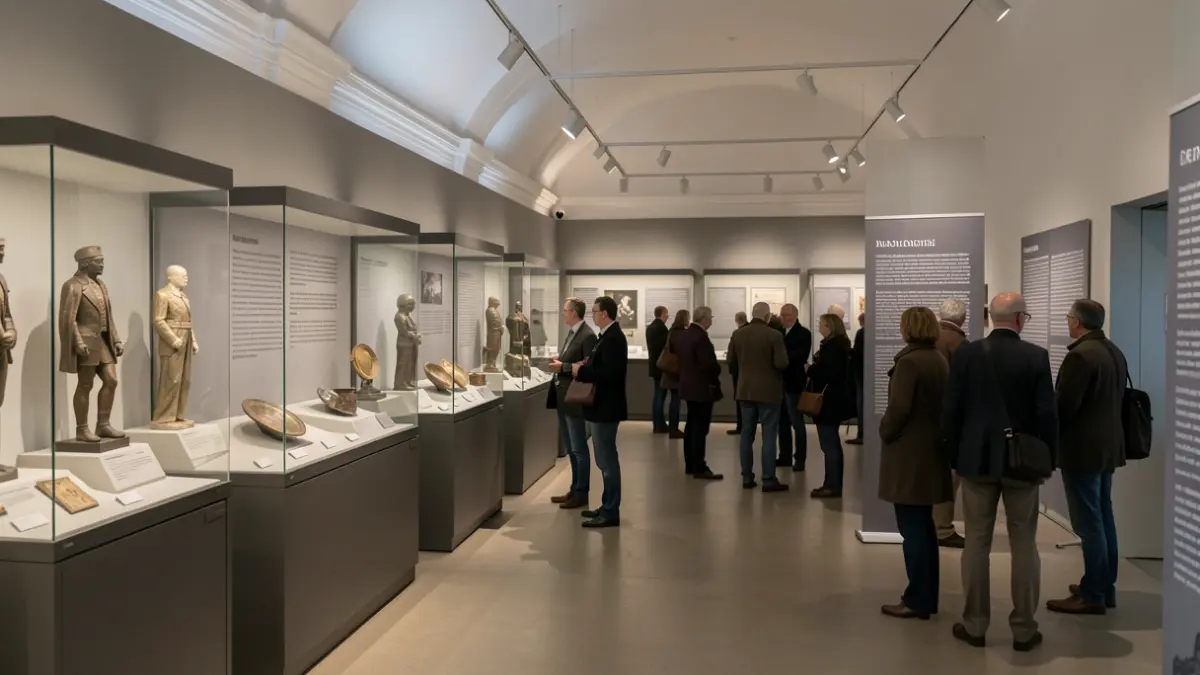
Exhibitions serve as the primary means of dissemination for any museum, representing a core activity to convey a unique, institutional narrative through a collection of resources. This process begins with research into the content to be shared and concludes with its presentation via pieces, texts, and productions.
Since the 1980s, the Puçol School Museum has organized dozens of temporary exhibitions, both on-site and off-site. These have included participation in agricultural fairs, exhibitions at the Institución Ferial Alicantina (IFA), educational centers, and city/municipal venues, featuring displays such as "Lo que el siglo nos dejó" (2002) and "Militares, una parte de nuestra historia" (2008), adapted to the center's capabilities.
However, a systematic policy of temporary exhibitions within its own facilities commenced in 2015. Since then, the museum has explored diverse themes, often dictated by the time of year or the donation of unique pieces, solidifying exhibitions as its main dissemination channel.
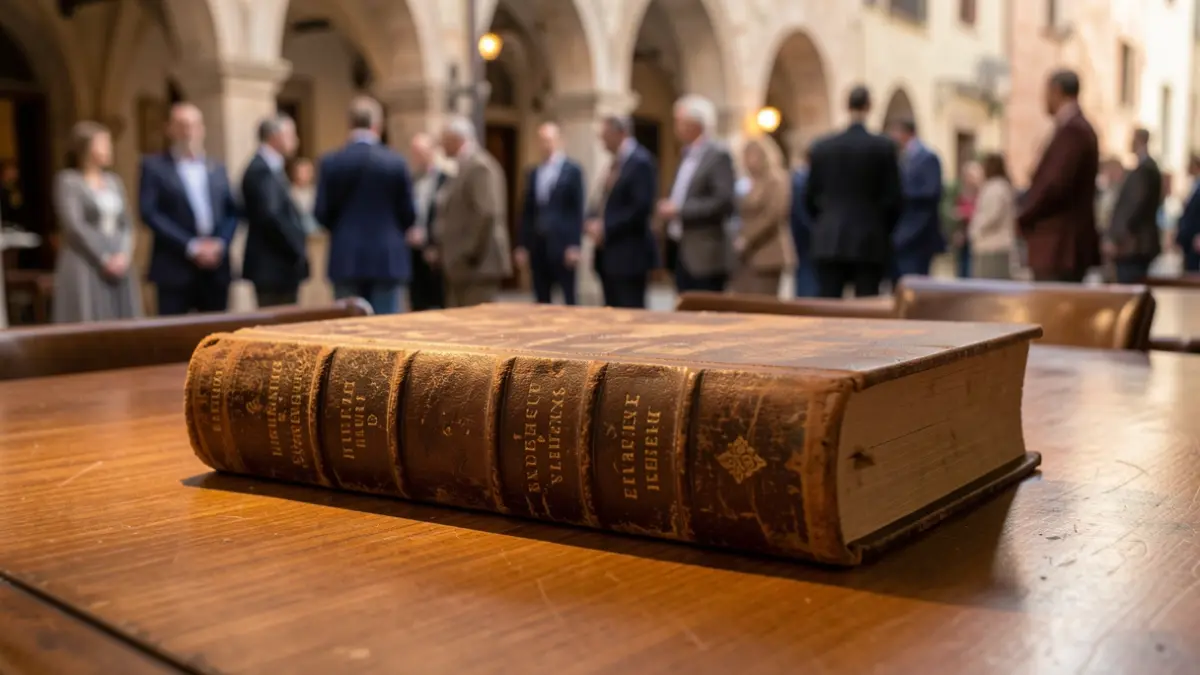
The new book specifically chronicles the exhibitions held between 2015 and 2025, a decade of growth where displays have recreated spaces, championed heritage, and shed light on the daily lives of ancestors. These exhibitions also serve as a valuable educational resource for both the school's students and other visitors.
The publication aims to showcase this active work, highlighting the diversification of exhibitions, their high degree of creativity, and commitment to the local environment, often incorporating community participation and the use of recycled materials. Ultimately, the book serves to reassert the heritage that defines society.