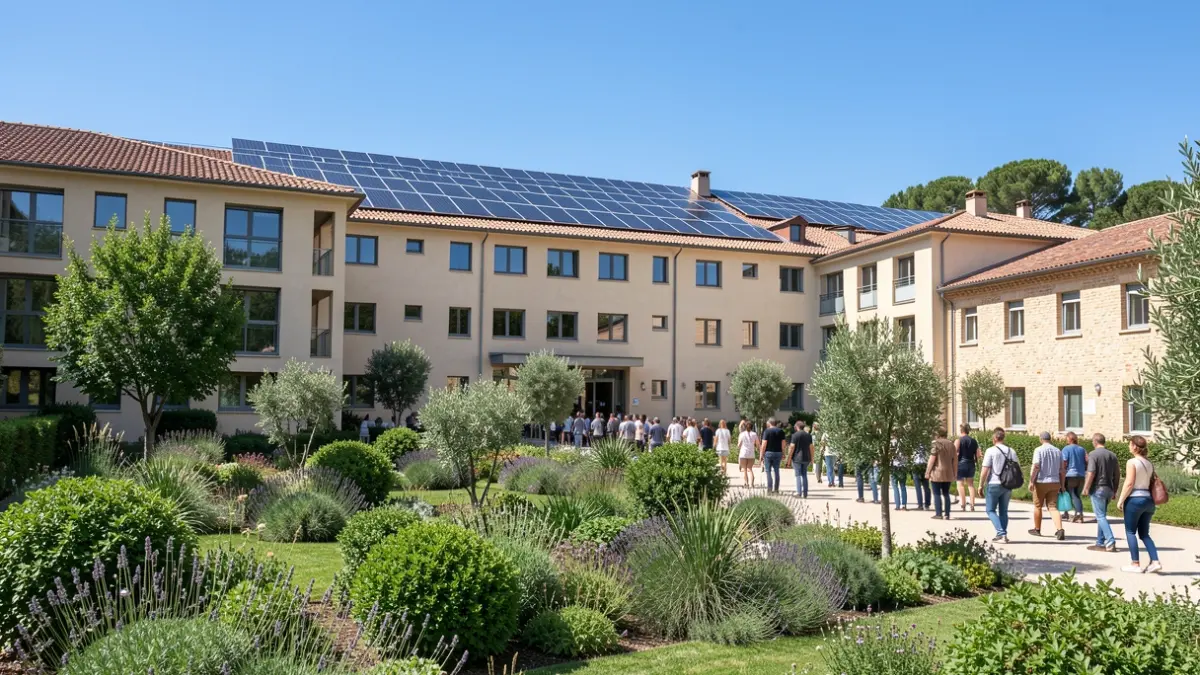
The institution, which analyzed nine environmental indicators from 84 universities, has implemented various initiatives for a more sustainable campus during 2025 and 2026. The energy transformation includes eight photovoltaic plants with 3,612 modules and a capacity of 2 MWp, expected to cover 15.35% of the university's electricity demand and avoid over 772 tons of CO₂ annually. Furthermore, the procurement process prioritizes electricity supply from renewable sources.
To reduce consumption, the air conditioning in Filosofía y Letras III has been modernized (with an investment exceeding one million euros), and comprehensive energy rehabilitation has been carried out at the Escuela Politécnica Superior IV (EPS IV). This includes renovating ventilation and air conditioning systems, replacing nearly 2,000 light fixtures with LED technology, and incorporating a photovoltaic installation.
The Vice-Rector for Infrastructure, Sustainability, and Occupational Safety, Salvador Ivorra, highlighted that these interventions are part of a strategy for monitoring emissions. The UA periodically calculates its carbon footprint, recording 522 tons of CO₂ equivalent in 2024, a decrease of 256 tons compared to the previous year.
Regarding the efficient use of resources, the UA manages the irrigation of approximately 180,000 square meters of green areas using its own desalination plant and water from a local aquifer, reducing reliance on conventional potable water. The irrigation network has been digitized using BIM technology, incorporating humidity sensors and flow meters to adjust water consumption to actual needs.
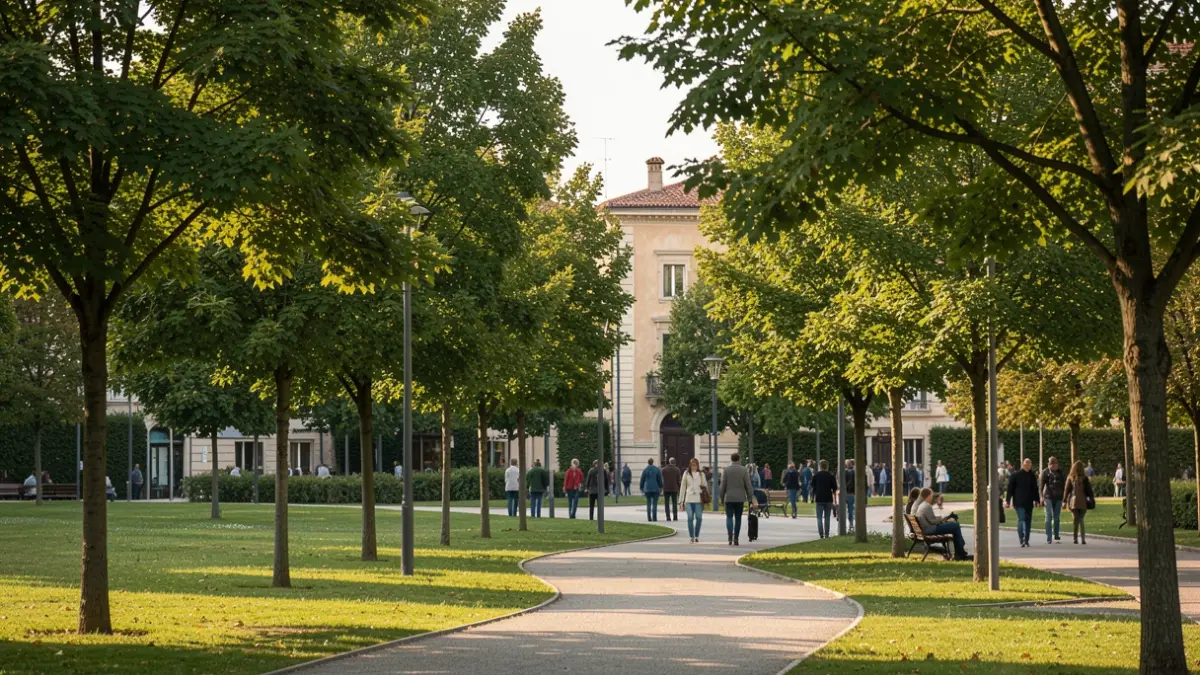
Gardening practices are also adapting to a more sustainable model, with the recovery of spaces using native Mediterranean vegetation that requires less water. Pollinator shelters have been installed, mulch from pruned waste is used, and biological pest control is employed. Actions such as the Transform4Europe Biodiversity Garden, the Fiftieth Anniversary Rose Garden, and tree planting for Earth Day contribute to biodiversity and efficient water management.
Waste management includes selective collection of paper, cardboard, packaging, and organic matter, as well as specific circuits for WEEE, batteries, and laboratory waste. The UA Reutiliza program promotes the recovery of equipment and materials for donation to social entities, supported by circular fashion workshops and sustainability fairs.
In terms of mobility, carpooling is encouraged through TRIBBU, and a new Sustainable Mobility Plan is being developed. The creation of the Cox-UA Water and Energy Chair links research with the ecological transition. According to Salvador Ivorra, these measures reflect a consistent environmental policy aimed at reducing the university's impact and maintaining an efficient and healthy campus.