The Compensation Fund, managed by Ivace+i Energía, has launched a subsidy program for projects presented by municipalities, seeking to boost the economy in inland regions. This funding comes from the fee paid by promoters of zones 1, 2, 3, and 8 of the Wind Plan.
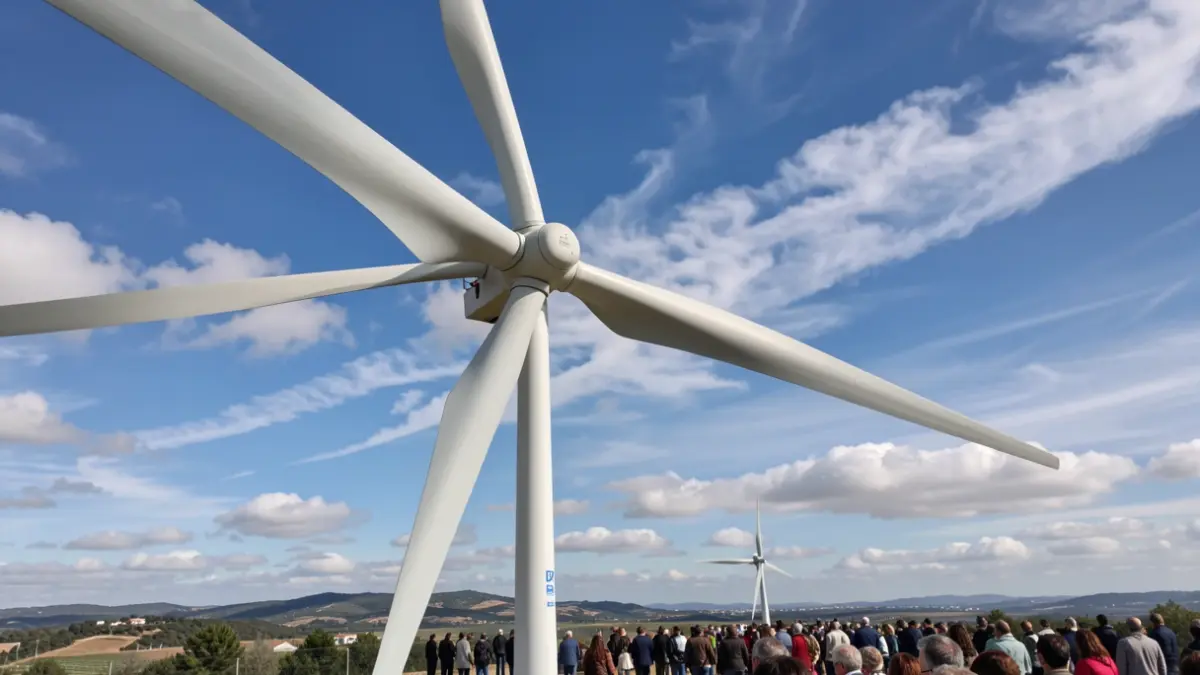
Most of these zones, except for zone 8 located in the province of Valencia, are in the Castellón region of Els Ports. In total, 13 wind farms contribute nearly 500 megawatts of renewable energy to the electrical system.
Ivace+i Energía will support initiatives from municipalities such as La Yesa, Calles, Andilla, Sacañet, Todolella, Chelva, Portell de Morella, Cintorres, Palanques, Villores, La Mata, Villafranca del Cid, Zorita del Maestrago, Castellfort, Olocau del Rey, Ares del Maestre, Forcall, Morella, and Higueruelas, as well as Casinos. Two projects from the Mancomunitat Comarcal d'Els Ports and the Mancomunidad de la Serranía will also benefit.
The projects encompass improvements to municipal infrastructure, including sewage systems, public lighting, water supply and paving network upgrades, sports area enhancements, installation of children's play areas, and restoration of public buildings.
Fund distribution prioritizes municipalities that, while not hosting wind farms, do have infrastructure for energy evacuation (power lines, substations). Secondly, those from which the parks are visible. Thirdly, those with new construction or access road expansion projects. Finally, municipalities hosting parks are considered, as they already receive income from licenses and taxes.
Subsidies are also available for renewable energy projects, including the construction of facilities and dissemination activities (workshops, courses, talks), as well as projects that improve the socioeconomic conditions of the municipalities.